
Weirdcore Posters
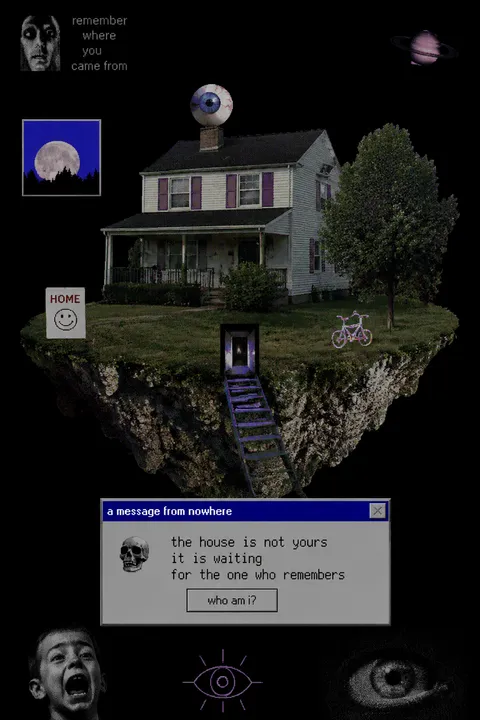
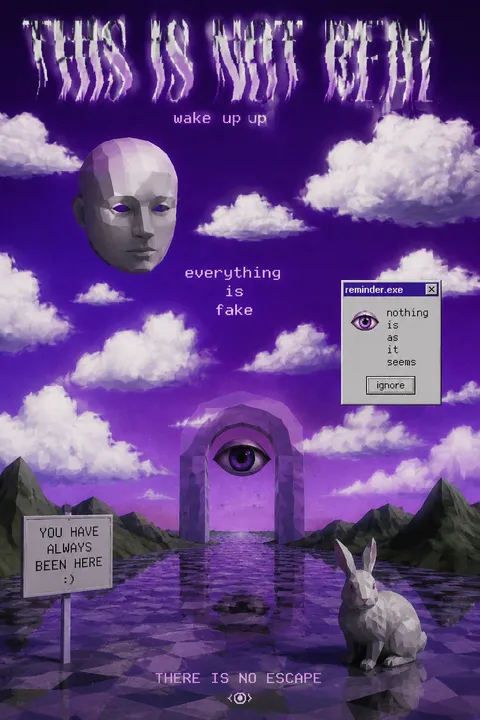
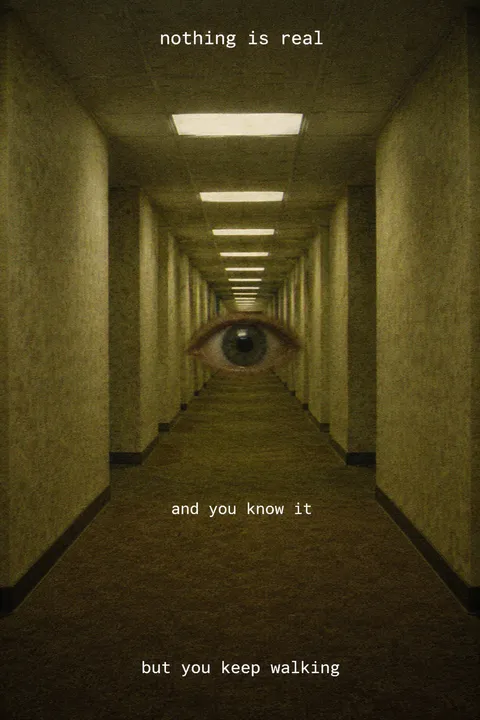
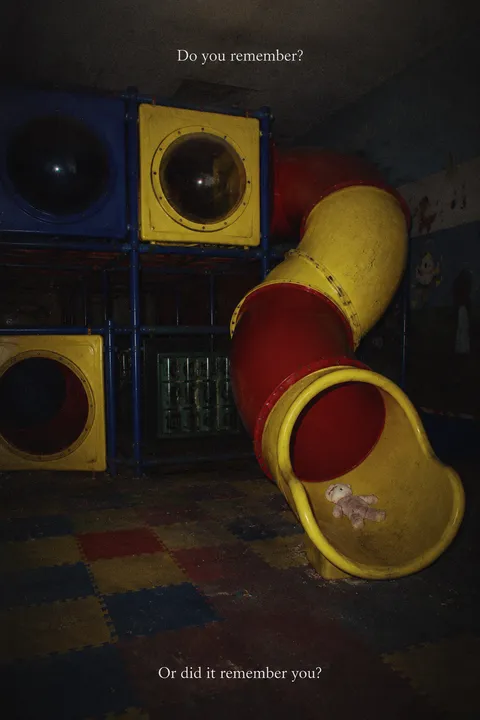
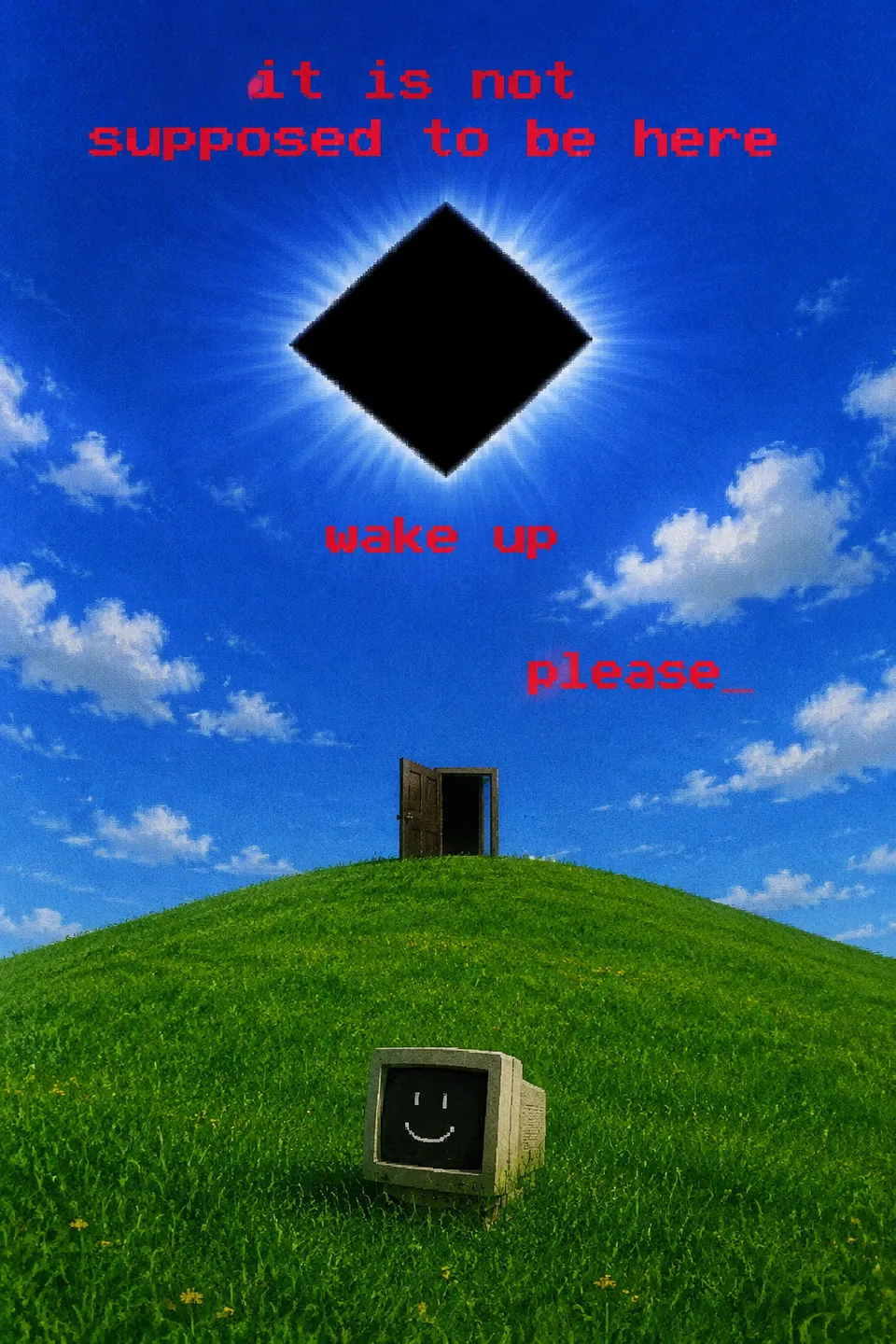
Emerging on Tumblr and internet forums around 2017, weirdcore developed from earlier "-core" aesthetics to express the uncanny side of digital culture. Its philosophy embraces discomfort by distorting the familiar—using liminal spaces, corrupted imagery, and surreal juxtapositions to evoke the uneasy persistence of memory and dream. Weirdcore design unsettles not through explicit horror, but through ambiguity, nostalgia, and the subtle wrongness of altered reality.
5 credits for new user registration. No credit card required.
Create Your Own Weirdcore Poster
Use our AI generator to design Weirdcore posters in seconds with full commercial rights.
Create Weirdcore Poster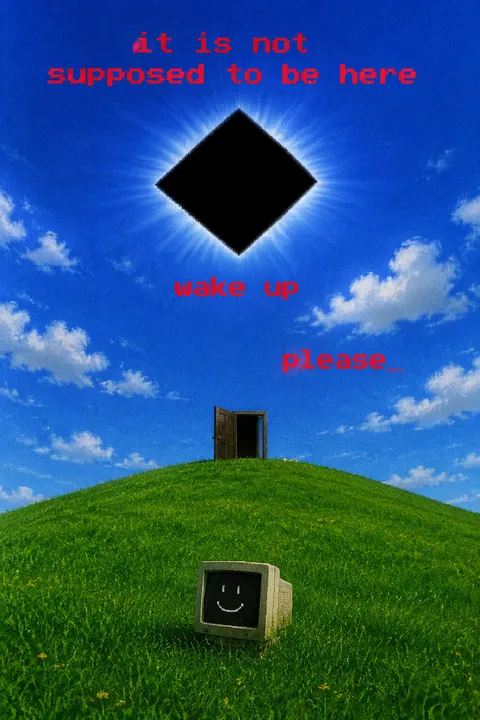
The Art of Weirdcore?
Turn Ideas into Art in Seconds
Describe Your Vision
Simply type your idea or concept for the poster.
Select Weirdcore Style
Our AI applies the specific Weirdcore design rules to your concept.
Customize & Download
Fine-tune colors, add text, and export in high-resolution.
Why Designers Choose Us
The professional choice for AI-generated design
Instant Speed
Results in < 30s
CC0 License
100% Commercial Use
Fully Editable
Layer-by-layer control
High Res
Print-ready quality
About Weirdcore Design
History of Weirdcore
Design Philosophy
Related Keywords
Weirdcore FAQ
Quick answers about designing Weirdcore posters.
What is weirdcore and what feelings does it evoke?
Weirdcore is a surrealist internet aesthetic that blends lo-fi imagery, surreal editing, and nostalgic tones to create visuals that feel strange, unsettling, yet oddly familiar. The style intentionally evokes feelings of confusion, disorientation, dread, alienation, and anemoia—nostalgia for a time you've never actually experienced. By manipulating amateur or low-quality photographs with distorted effects, weirdcore creates an uncanny atmosphere that taps into the subconscious discomfort of liminal experiences.
What are the key visual elements of weirdcore design?
Weirdcore employs grainy textures, strange angles, glitch effects, and distorted text reminiscent of old Windows 98 screens. Images may be blurred, overexposed, or artificially colored. Common subjects include liminal spaces—empty hallways, abandoned malls, suburban neighborhoods at dusk—that feel transitional and unsettling. Eyes, mouths, shadows, and silhouettes are often superimposed onto otherwise normal images, creating a surreal, dreamlike quality. Old technology and early 2000s internet aesthetics are frequently referenced.
How does weirdcore differ from dreamcore?
While weirdcore and dreamcore share origins in surreal internet culture and both explore nostalgia and dream-like imagery, they differ significantly in emotional intent. Weirdcore aims to provoke unease, confusion, and alienation through darker, more distorted visuals. Dreamcore, by contrast, seeks to evoke comfort and familiarity through softer exploration of memory and imagination, using ethereal tones, floating objects, soft light, and hazy atmospheres. Weirdcore challenges viewers while dreamcore invites them into gentle reverie.
What influences shaped the weirdcore aesthetic?
Weirdcore draws heavily from early 2000s internet culture, analog technology aesthetics, and low-resolution photography from that era. The style incorporates elements from liminal space photography, glitch art, and internet creepypasta culture. Surrealism and outsider art inform its approach to unsettling familiar imagery. The aesthetic also connects to broader internet movements exploring nostalgic discomfort, memory distortion, and the uncanny feeling of recognizing something you've never actually seen before.
Ready to design your next poster?
Create Weirdcore Poster