
Futurism Posters
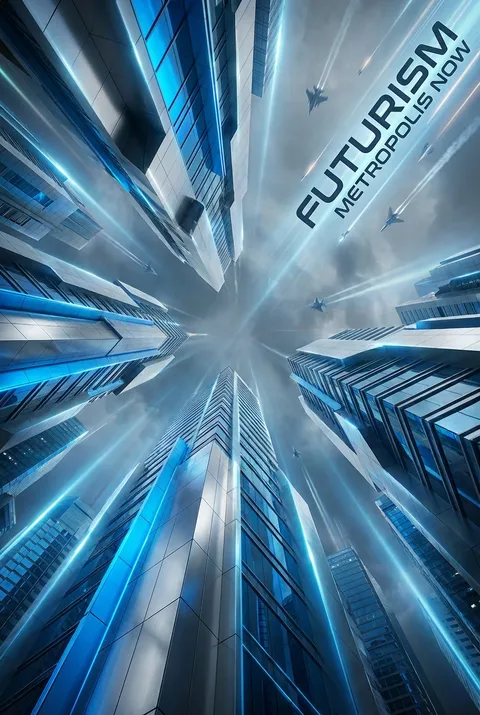
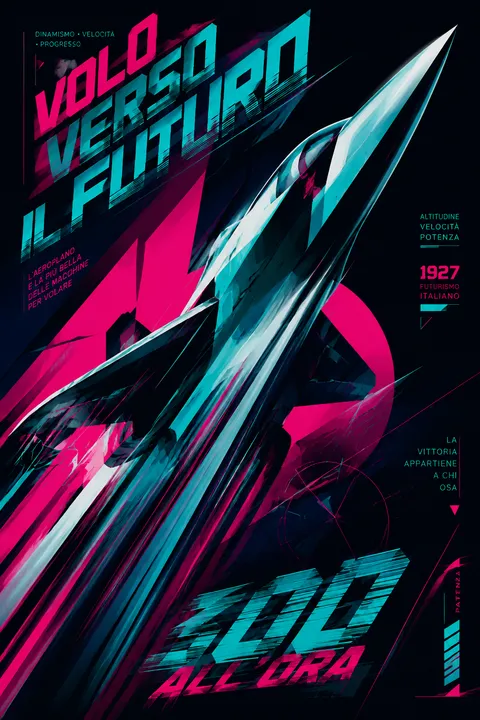
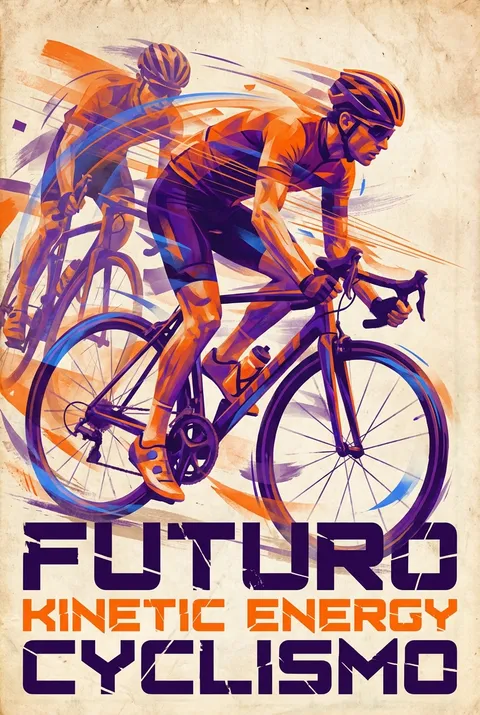
Founded in Italy in 1909 by poet Filippo Tommaso Marinetti, Futurism arose as a radical break from the past, celebrating speed, technology, and the energy of modern life. Its philosophy contends that design must capture the relentless motion and power of the machine age—through dynamic diagonals, fragmented forms, and aggressive compositions that evoke the exhilaration and force of contemporary existence.
5 credits for new user registration. No credit card required.
Create Your Own Futurism Poster
Use our AI generator to design Futurism posters in seconds with full commercial rights.
Create Futurism Poster


The Art of Futurism?
Turn Ideas into Art in Seconds
Describe Your Vision
Simply type your idea or concept for the poster.
Select Futurism Style
Our AI applies the specific Futurism design rules to your concept.
Customize & Download
Fine-tune colors, add text, and export in high-resolution.
Why Designers Choose Us
The professional choice for AI-generated design
Instant Speed
Results in < 30s
CC0 License
100% Commercial Use
Fully Editable
Layer-by-layer control
High Res
Print-ready quality
About Futurism Design
History of Futurism
Design Philosophy
Related Keywords
Futurism FAQ
Quick answers about designing Futurism posters.
What is Futurism and when did it emerge?
Futurism was an avant-garde art movement founded in Milan in 1909 by the Italian poet Filippo Tommaso Marinetti. Launched through a manifesto published in the French newspaper Le Figaro, the movement celebrated speed, technology, machinery, and the energy of modern industrial life. It rejected traditional artistic conventions and sought to capture the dynamism and restlessness of the modern age through revolutionary visual techniques.
What are the defining characteristics of Futurist art?
Futurist artwork emphasizes motion, energy, and dynamism through fragmented forms, multiple perspectives, and bold geometric patterns. Artists employed techniques from Neo-Impressionism and Cubism to depict movement and speed—subjects might appear in multiple positions simultaneously, creating a sense of kinetic energy. The style evolved from fractured elements in the 1910s to mechanical imagery in the 1920s and aerial perspectives in the 1930s.
Which disciplines did Futurism influence beyond painting?
Futurism was remarkably multidisciplinary, extending into sculpture, architecture, literature, music, theater, film, fashion, industrial design, and even cooking. Key figures included Umberto Boccioni, whose sculpture 'Unique Forms of Continuity in Space' became iconic of the movement. The Futurists produced manifestos, experimental poetry, and theatrical performances alongside their visual art, seeking to transform all aspects of culture.
How did Futurism influence later art movements?
Futurism's emphasis on technology, movement, and breaking with tradition significantly impacted subsequent art movements. It directly influenced Art Deco's celebration of machinery and progress, Constructivism's geometric abstraction, and Vorticism in Britain. Elements of Futurist thinking also appear in Dadaism, Surrealism, and later kinetic art movements. The movement's ideas about integrating art with modern life continue to resonate in contemporary design.
Ready to design your next poster?
Create Futurism Poster