/
50,000 Posters Generated Today

Cinematic Posters

Developing in tandem with the rise of cinema, cinematic poster design forged its identity through the dramatic innovations of German Expressionism, Hollywood glamour, and visionary artists like Saul Bass and Eiko Ishioka. Its philosophy approaches every image as a heightened narrative moment, employing filmic lighting, color grading, and composition to immerse viewers—suggesting stories that extend far beyond the frame.

5 credits for new user registration. No credit card required.

High ResolutionCommercial License

Create Your Own Cinematic Poster

Use our AI generator to design Cinematic posters in seconds with full commercial rights.

Create Cinematic Poster

Style Guide

The Art of Cinematic?

Developing in tandem with the rise of cinema, cinematic poster design forged its identity through the dramatic innovations of German Expressionism, Hollywood glamour, and visionary artists like Saul Bass and Eiko Ishioka. Its philosophy approaches every image as a heightened narrative moment, employing filmic lighting, color grading, and composition to immerse viewers—suggesting stories that extend far beyond the frame.
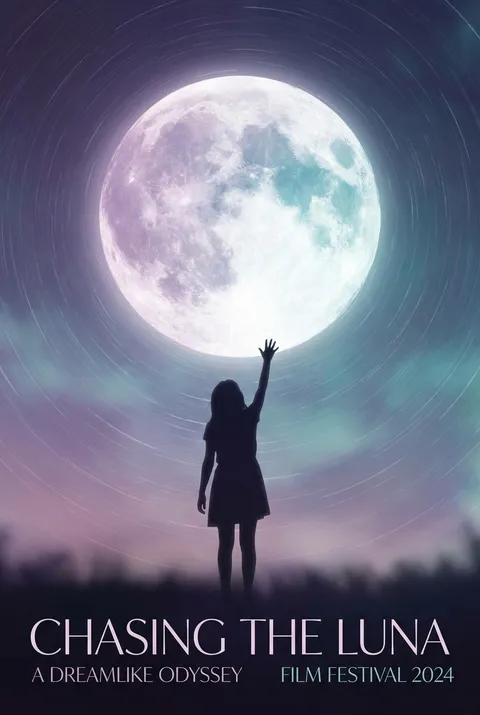
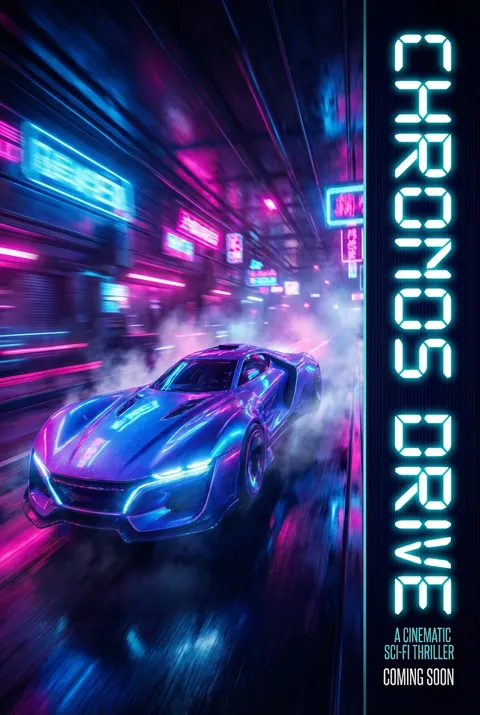
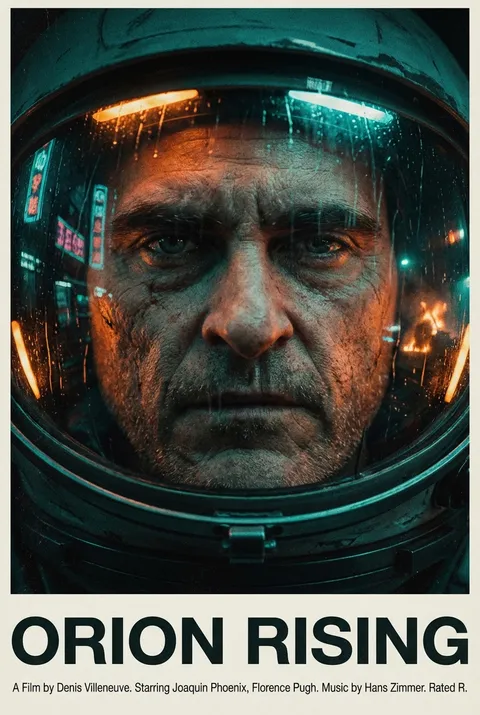
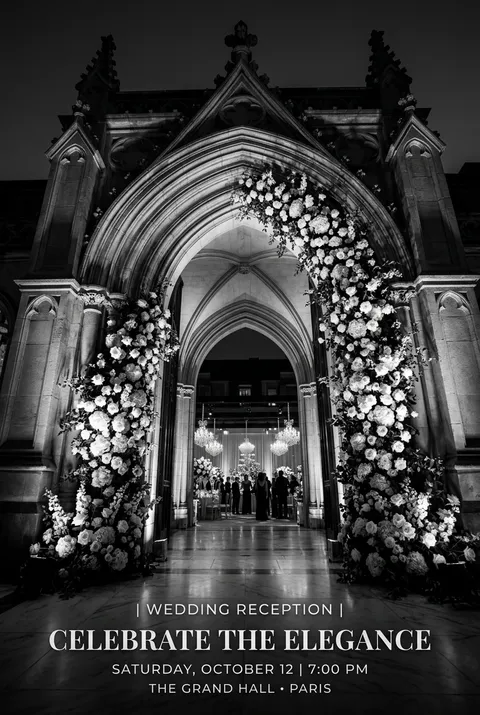
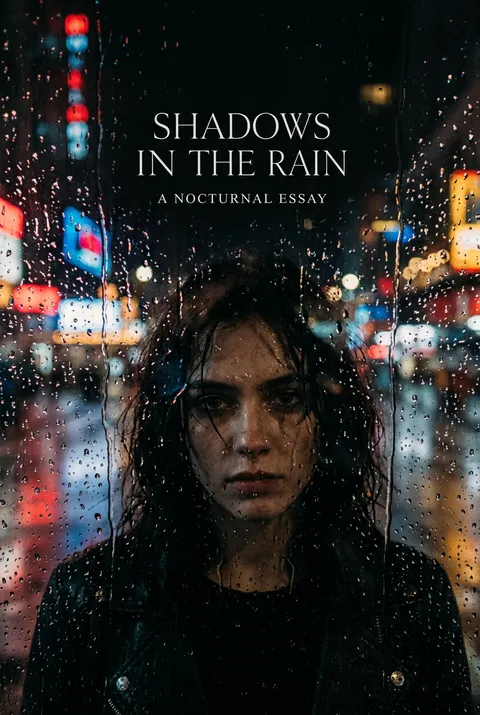
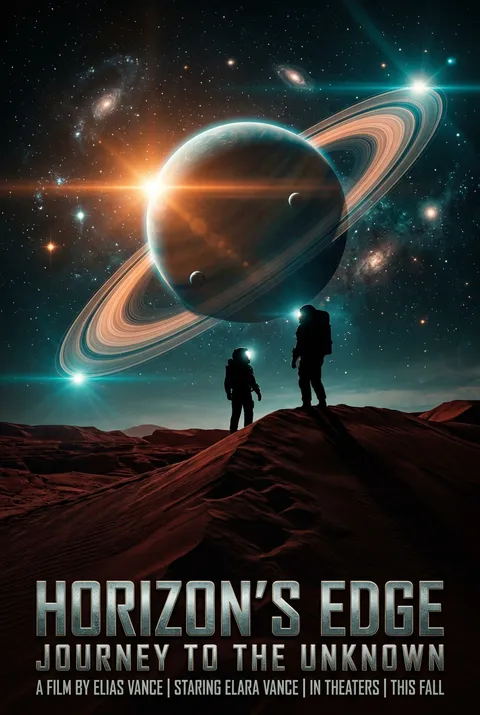
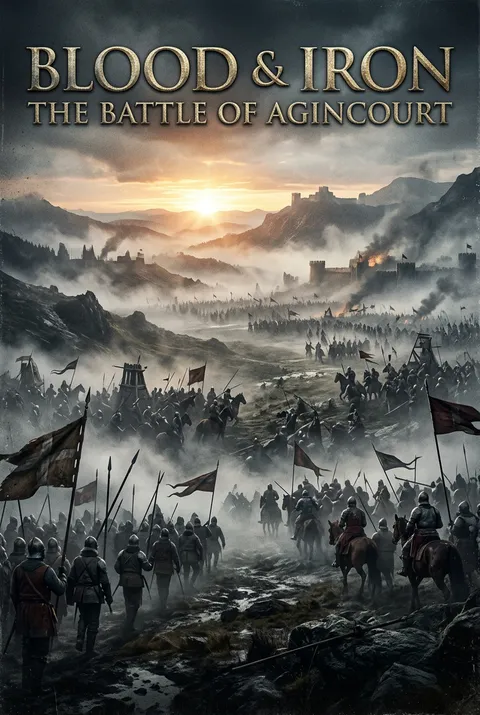
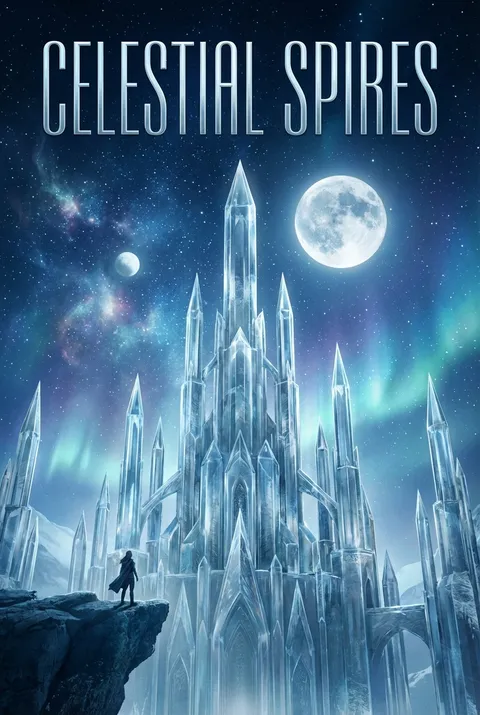
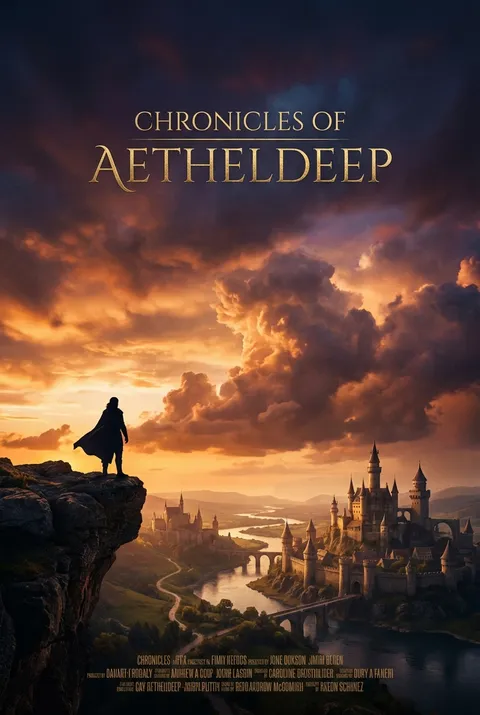
Cinematic representative poster

Watch: Creating a Poster in 30s

Turn Ideas into Art in Seconds

1

Describe Your Vision

Simply type your idea or concept for the poster.

2

Select Cinematic Style

Our AI applies the specific Cinematic design rules to your concept.

3

Customize & Download

Fine-tune colors, add text, and export in high-resolution.

Why Designers Choose Us

The professional choice for AI-generated design

Instant Speed

Results in < 30s

CC0 License

100% Commercial Use

Fully Editable

Layer-by-layer control

High Res

Print-ready quality

Cinematic Design Guide

About Cinematic Design

Developing in tandem with the rise of cinema, cinematic poster design forged its identity through the dramatic innovations of German Expressionism, Hollywood glamour, and visionary artists like Saul Bass and Eiko Ishioka. Its philosophy approaches every image as a heightened narrative moment, employing filmic lighting, color grading, and composition to immerse viewers—suggesting stories that extend far beyond the frame.

History of Cinematic

Cinematic aesthetics in poster design evolved alongside cinema itself. Early film posters borrowed from theatrical traditions, but the medium soon developed its own visual language. The German Expressionist films of the 1920s—Robert Wiene's "The Cabinet of Dr. Caligari," Fritz Lang's "Metropolis"—influenced poster artists to embrace dramatic shadows and distorted perspectives. Hollywood's Golden Age established conventions of star portraiture and dramatic lighting that persist today. Movie poster design reached artistic peaks through specific designers: Saul Bass transformed film advertising with abstract, concept-driven designs for Hitchcock's "Vertigo" (1958) and Preminger's "Anatomy of a Murder" (1959). Polish poster artists like Franciszek Starowieyski created surreal interpretations that elevated commercial art to gallery status. Japanese designers like Eiko Ishioka brought distinct visual sophistication to international productions. Contemporary cinematic poster design blends traditional painted illustration (preserved by artists like Drew Struzan) with digital photography and compositing. The "cinematic" look has expanded beyond film marketing into brand advertising, editorial design, and any context seeking the emotional impact of professional visual storytelling—widescreen compositions, carefully graded color, and the implicit promise of narrative beyond the frame.

Design Philosophy

Cinematic poster design treats every image as a story captured at its most dramatic moment. The philosophy imports filmmaking principles: lighting that sculpts subjects and creates mood, color grading that unifies compositions and signals genre, and framing that implies movement beyond the visible frame. Core principles include the "golden hour" and other lighting conventions, aspect ratios borrowed from film formats, typographic traditions specific to genre (serif fonts for prestige drama, sans-serif for science fiction), and compositional tension suggesting unresolved narrative. The emotional goal is immersion—viewers should feel invited into a larger story, experiencing the poster as preview rather than summary.

Cinematic FAQ

Quick answers about designing Cinematic posters.

What makes an image look cinematic?

Cinematic imagery possesses a powerful atmosphere, intentional composition, and narrative quality—like a still captured from a film. Every element serves the story being told, from lighting choices to subject placement. The style emphasizes mood and emotion over technical perfection, using techniques like deliberate color grading, shallow depth of field, and wider aspect ratios (16:9, 2.35:1) that create an immersive, movie-like viewing experience.

How does lighting contribute to the cinematic style?

Lighting is fundamental to cinematic aesthetics, going beyond basic illumination to enhance drama and emotional depth. Cinematic lighting techniques include bouncing light for softer effects, filtering for specific moods, and adjusting color temperatures. Weather conditions also play a significant role—rain evokes melancholy, sunshine suggests happiness, and mist creates mystery. The interplay of light and shadow helps direct attention and establish atmosphere.

What role does color grading play in cinematic visuals?

Color grading is essential for establishing the visual mood and emotional tone of cinematic work. Warm tones like golden and orange create feelings of coziness and nostalgia, while cool blues and greens convey tension or drama. Photographers carefully select cohesive color palettes that reinforce the intended message, often adding vintage effects like subtle grain or film-like textures to enhance the atmospheric quality and timeless feel.

What composition techniques create cinematic photographs?

Cinematic composition relies on thoughtful framing using rule of thirds, diagonal lines, and centered subjects to create visual balance. Leading lines guide viewers' eyes to focal points, while layering foreground-to-background elements creates depth without camera motion. Shallow depth of field (f/1.4 to f/5.6) with blurred backgrounds draws attention to subjects. Location choice and environmental storytelling through setting, symbols, and atmospheric conditions complete the cinematic narrative.

Ready to design your next poster?

Create Cinematic Poster