
Art Deco Posters
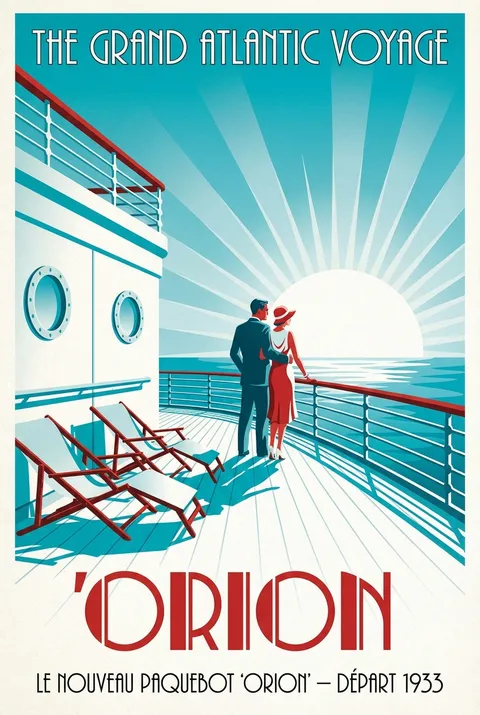
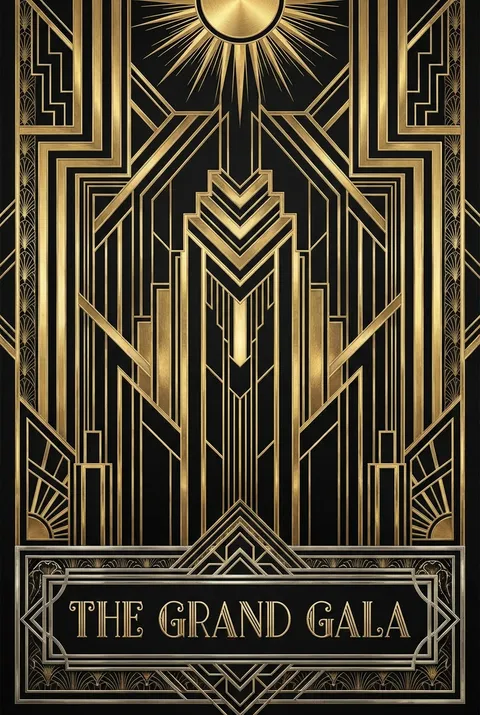
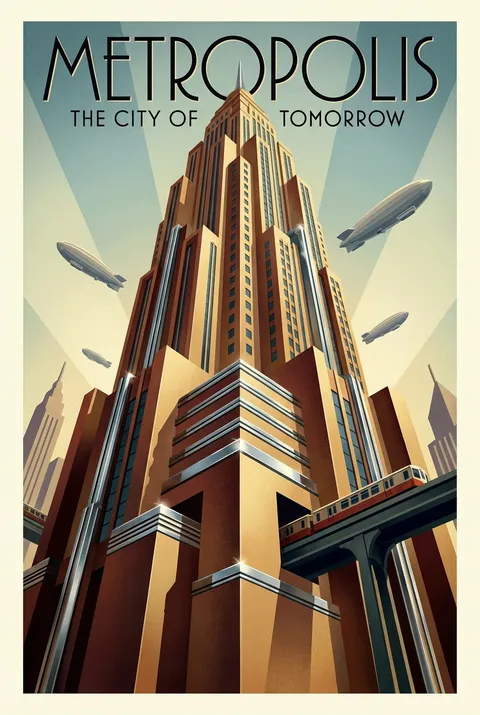
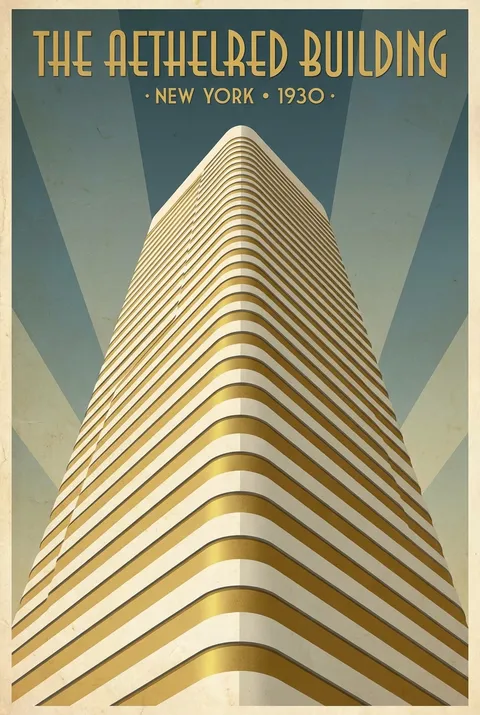
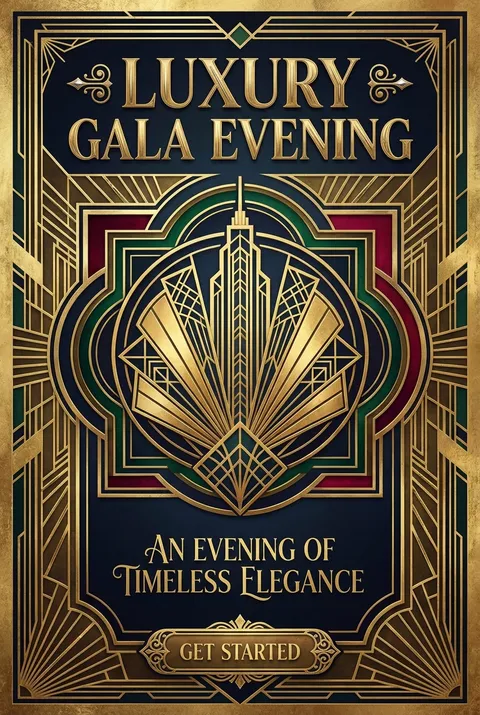
Art Deco emerged in 1920s Paris at the Exposition Internationale des Arts Décoratifs, synthesizing influences from Cubism, Fauvism, Futurism, and global archaeological discoveries, as seen in the works of A.M. Cassandre, Tamara de Lempicka, and William Van Alen. Its philosophy insists that ornament and modernity enhance each other, fusing bold geometry, lavish materials, and symmetrical order to project confidence, luxury, and an optimistic vision of progress.
5 credits for new user registration. No credit card required.
Create Your Own Art Deco Poster
Use our AI generator to design Art Deco posters in seconds with full commercial rights.
Create Art Deco Poster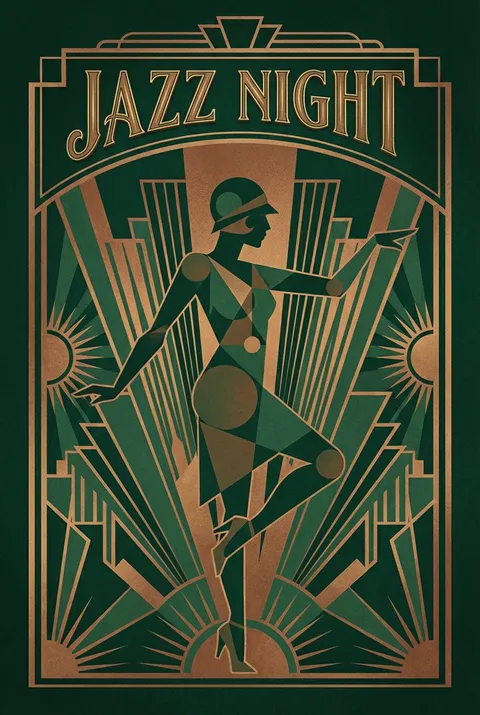
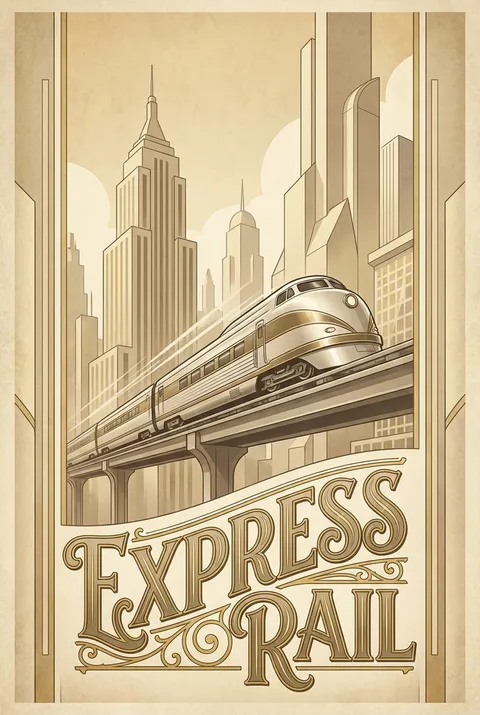
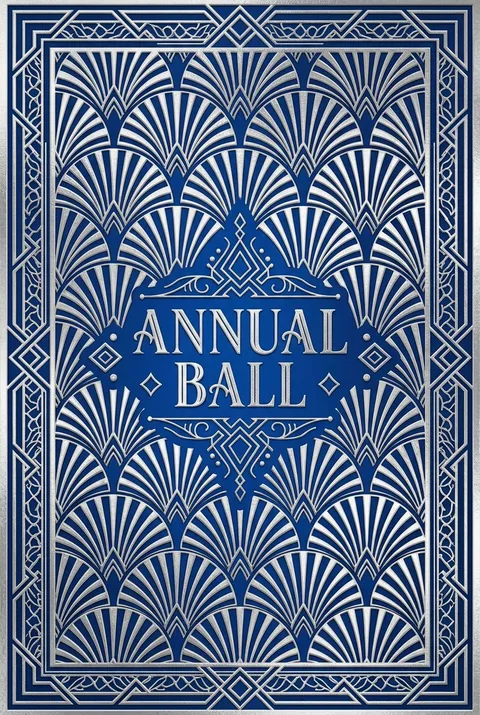
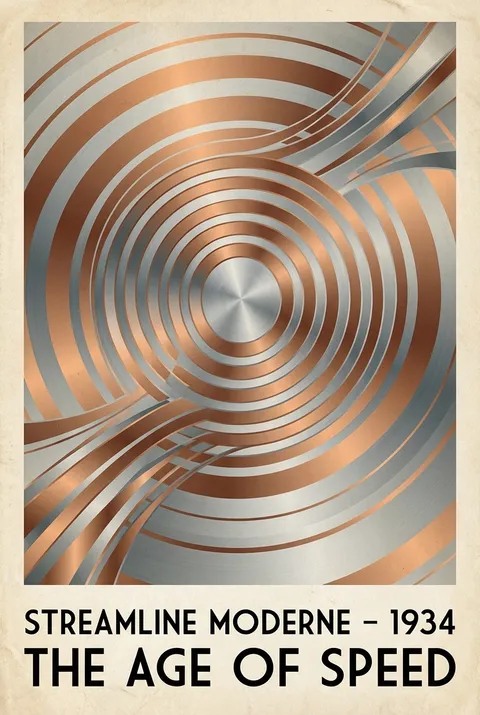
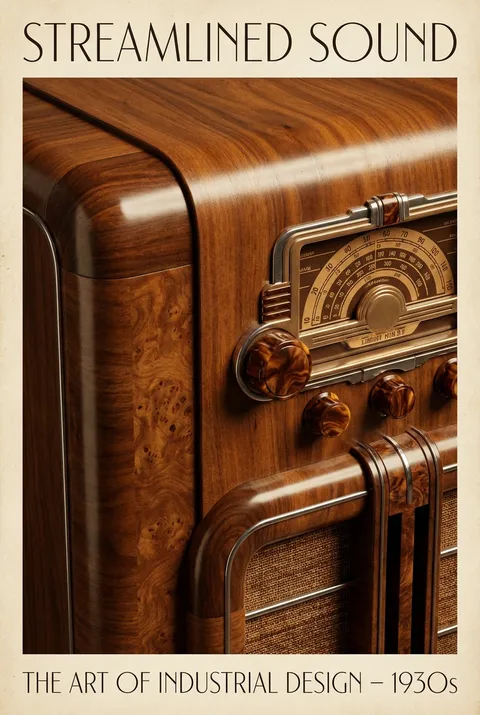
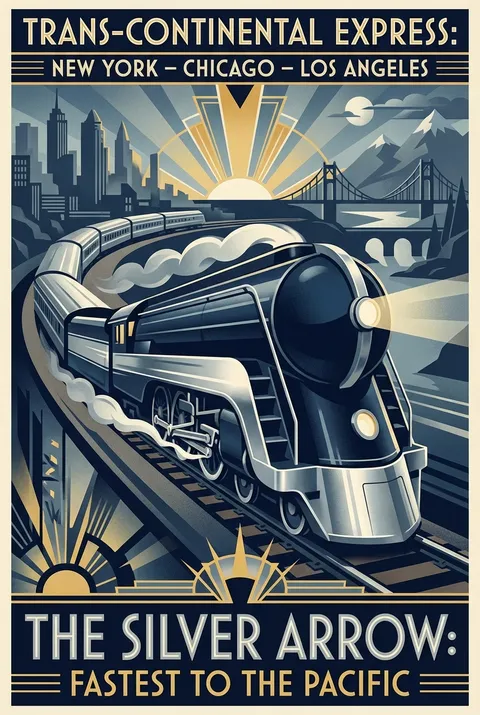
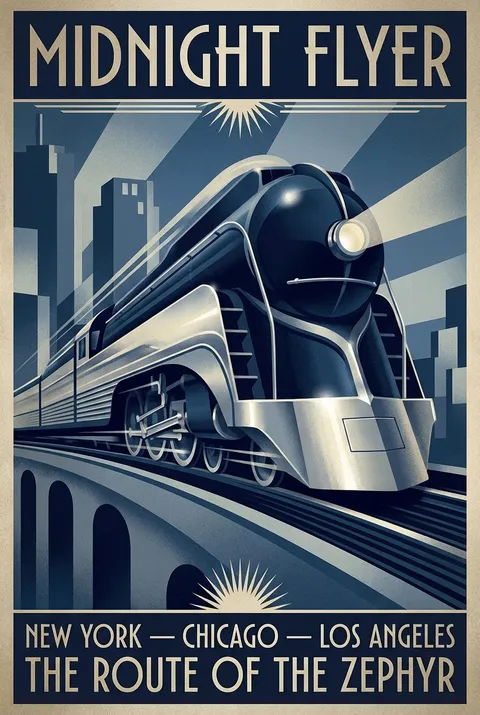
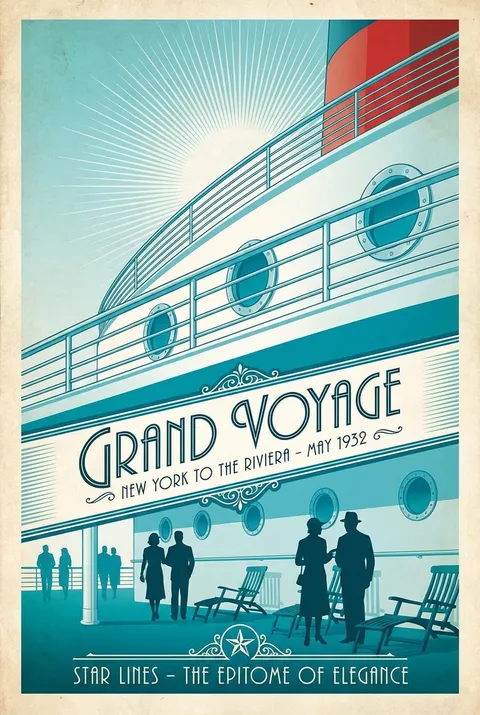
The Art of Art Deco?
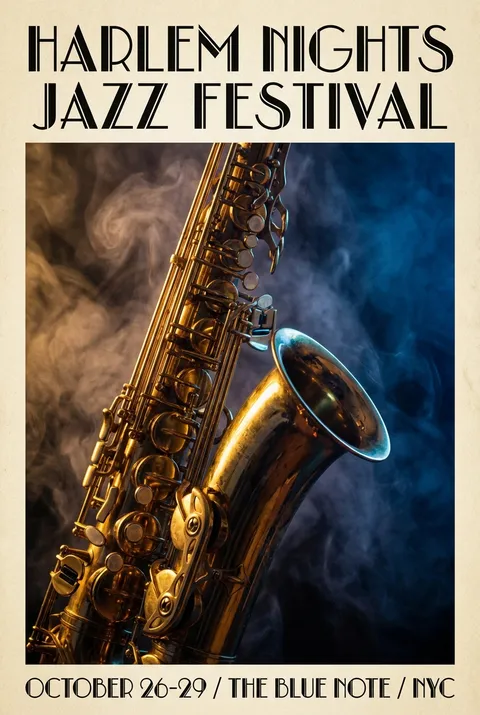
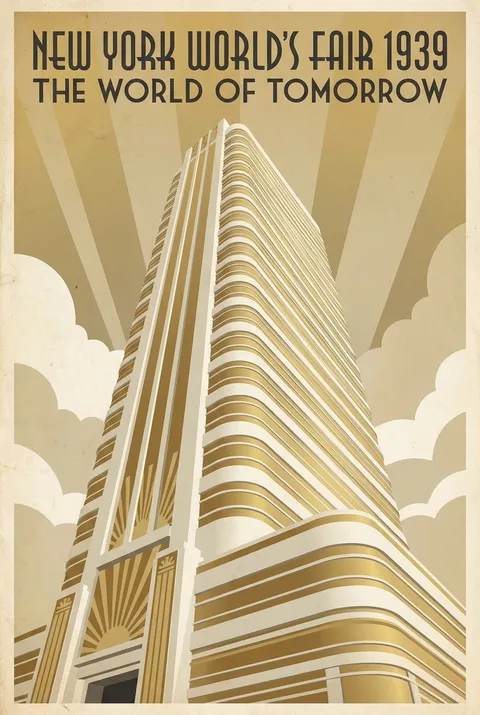
Turn Ideas into Art in Seconds
Describe Your Vision
Simply type your idea or concept for the poster.
Select Art Deco Style
Our AI applies the specific Art Deco design rules to your concept.
Customize & Download
Fine-tune colors, add text, and export in high-resolution.
Why Designers Choose Us
The professional choice for AI-generated design
Instant Speed
Results in < 30s
CC0 License
100% Commercial Use
Fully Editable
Layer-by-layer control
High Res
Print-ready quality
About Art Deco Design
History of Art Deco
Design Philosophy
Art Deco FAQ
Quick answers about designing Art Deco posters.
What is Art Deco and when did it emerge?
Art Deco became the dominant artistic style of Europe and America from just before World War I up through the beginning of World War II. The term 'art deco' derived from the 1925 Exposition Internationale des Arts Decoratifs Industriels et Modernes. While this term is well known today, the coined phrase didn't become popularized until 1968. Art deco graphic design style dominated visual communication from the 1920s through the 1940s.
What are the key characteristics of Art Deco poster design?
The hallmarks of Art Deco posters can best be described as sophisticated, streamlined, and sleek. Some of the most common elements include geometric shapes (triangles in particular), strong lines, zigzags, thick-stroked typography, lots of unused space, and chevron patterns. Each came with their own statement pattern, from zig zags to sunburst motifs. Chevrons, stepped patterns and geometric shapes are key features.
What color palette should I use for Art Deco design?
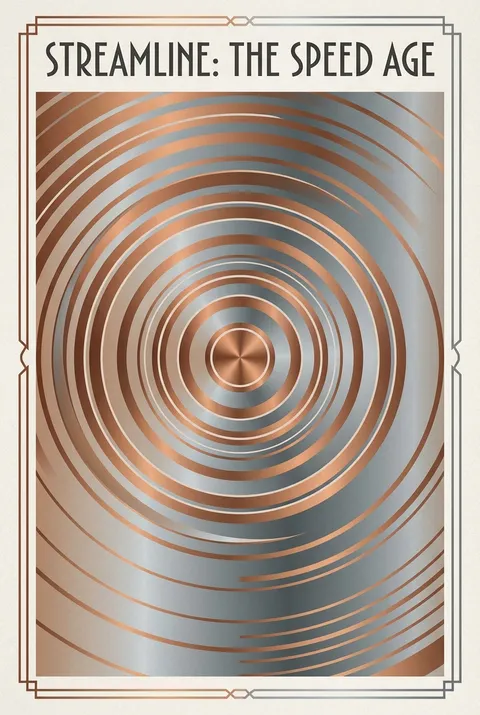
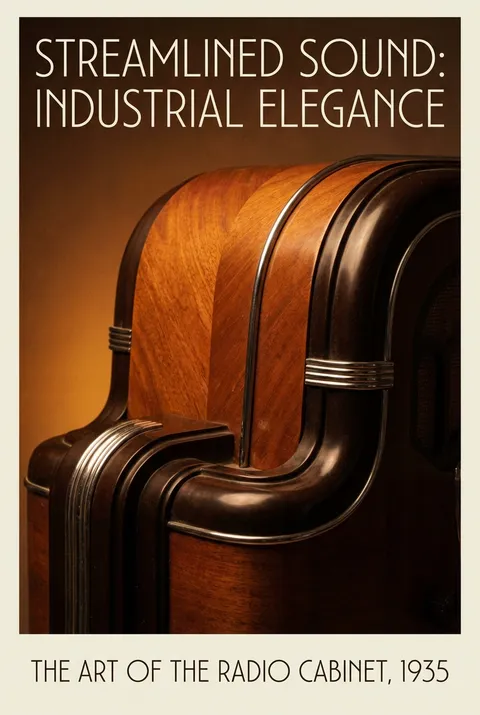
Think black lettering on a creamy white background, or gold lines set against a deep navy. Other popular colours from the era include neutral creams and beiges. Art Deco designs often feature metallic colours like gold, silver and platinum shades—the original artists were inspired by modern machinery. Not only do these tones add a subtle contrast for party invites and posters, but they can also work well in marketing materials.
Who was A.M. Cassandre and why was he important?
One of the greatest graphic designers of the Art Deco style was Adolphe Jean-Marie Mouron, a Ukraine-French artist known under the pseudonym Cassandre. He was a poster designer, costume maker, painter, typographer, and lecturer. Inspired by cubism and surrealism, his works stood out and garnered a lot of attention during the early 1920s in Paris. His transportation posters for Nord Express and Normandie defined Art Deco's graphic language.
How can I create authentic Art Deco poster designs?
Making Art Deco artwork is fairly easy and rewarding. All that you need is a vector art program, a good eye for perspective (or distorting images) and a little bit of photo editing skill. It can be easy to overcomplicate your poster with overlapping patterns and shapes. Instead, try to ensure your Art Deco patterns use sharp and smooth lines. Clean lines can help you get the message across clearly. Art Deco posters often have a grain quality—use Filter > Add Texture > Grain in Photoshop.
Ready to design your next poster?
Create Art Deco Poster