
Japanese Minimalism Posters
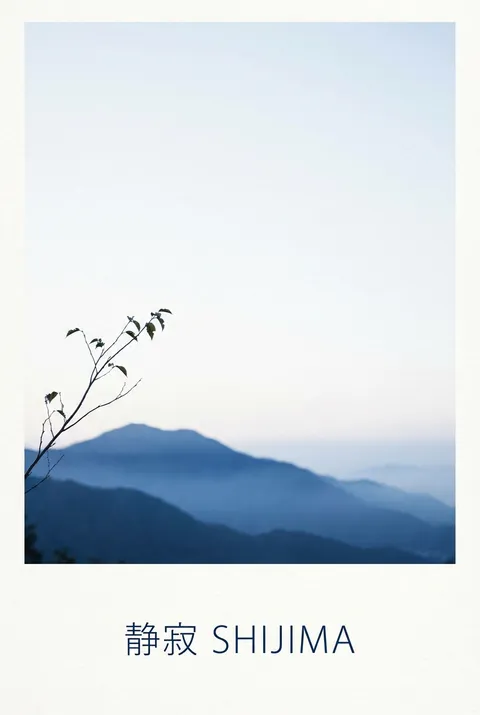
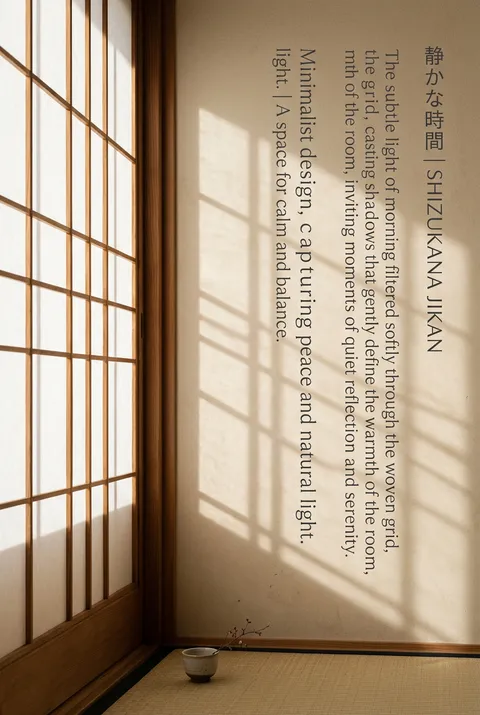
Rooted in centuries of Japanese cultural practice and Zen Buddhist thought, Japanese minimalism evolved through traditions emphasizing direct experience and freedom from attachment, with figures like Kenya Hara shaping its modern articulation. The philosophy finds richness in restraint: negative space—ma—is an active presence, while organic imperfection, asymmetry, and natural materials invite calm contemplation and reveal beauty through subtle, deliberate simplicity.
5 credits for new user registration. No credit card required.
Create Your Own Japanese Minimalism Poster
Use our AI generator to design Japanese Minimalism posters in seconds with full commercial rights.
Create Japanese Minimalism Poster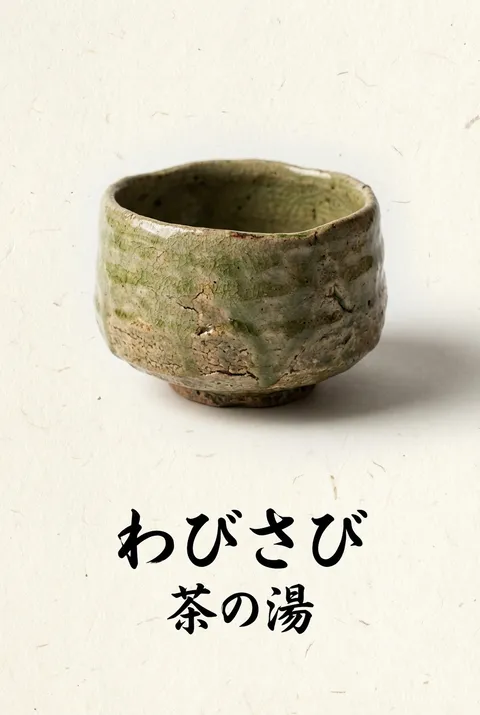
The Art of Japanese Minimalism?
Turn Ideas into Art in Seconds
Describe Your Vision
Simply type your idea or concept for the poster.
Select Japanese Minimalism Style
Our AI applies the specific Japanese Minimalism design rules to your concept.
Customize & Download
Fine-tune colors, add text, and export in high-resolution.
Why Designers Choose Us
The professional choice for AI-generated design
Instant Speed
Results in < 30s
CC0 License
100% Commercial Use
Fully Editable
Layer-by-layer control
High Res
Print-ready quality
About Japanese Minimalism Design
History of Japanese Minimalism
Design Philosophy
Japanese Minimalism FAQ
Quick answers about designing Japanese Minimalism posters.
What philosophical principles underpin Japanese minimalist design?
Japanese minimalism draws from three core concepts: wabi-sabi (beauty in imperfection and transience), Ma (negative space as a design element), and shibumi (understated elegance). Unlike Western minimalism focused on decluttering and function, Japanese minimalism embraces organic imperfections, natural materials, and the emotional resonance of empty space. The philosophy values presence over perfection and simplicity as freedom rather than restriction.
How does wabi-sabi influence Japanese minimalist poster design?
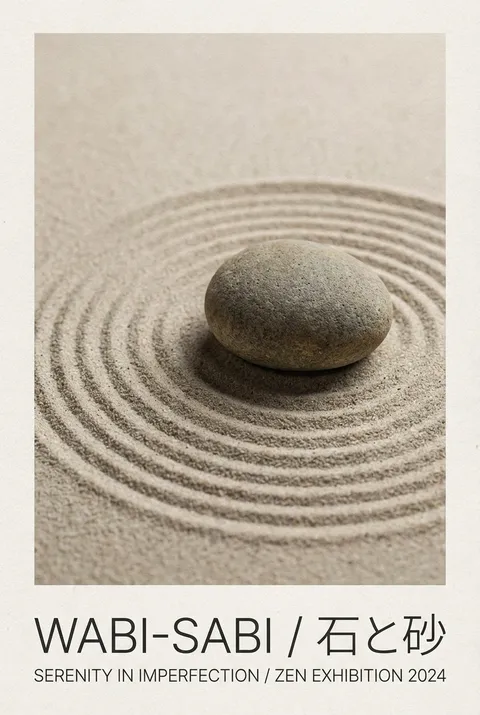
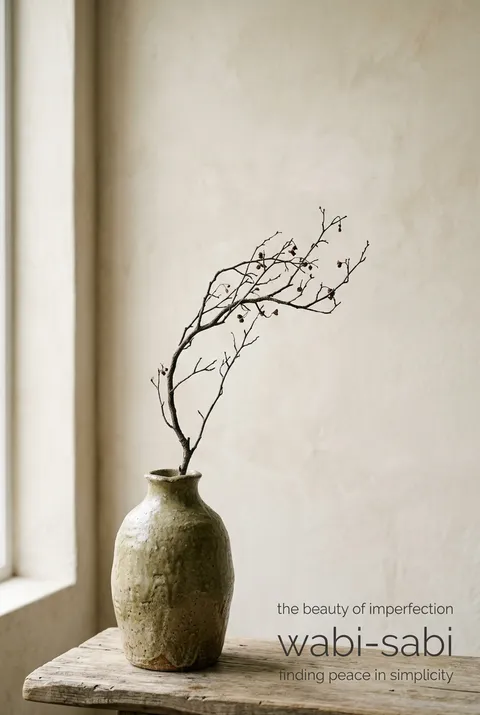
Wabi-sabi brings appreciation for asymmetry, roughness, and natural aging into poster design. Rather than pursuing geometric precision, wabi-sabi-influenced work embraces irregular textures, subtle earth tones, and organic forms. The kintsugi concept of highlighting repairs with gold translates into designs that celebrate imperfections as unique features. This creates warmth and authenticity that distinguishes Japanese minimalism from cold, sterile Western approaches.
What role does Ma (negative space) play in this style?
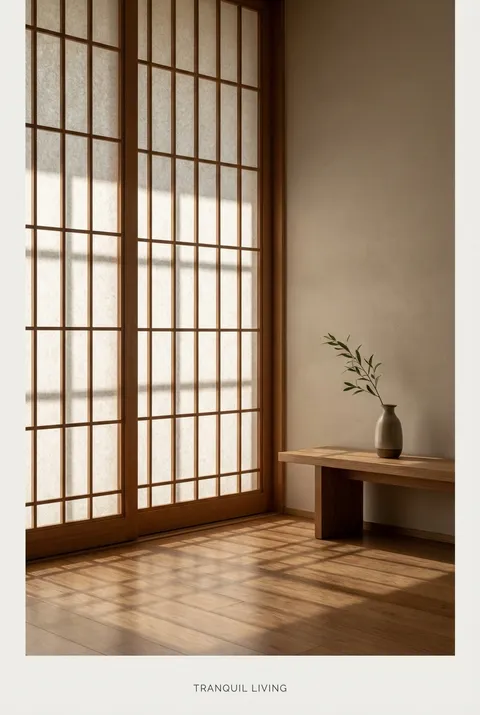
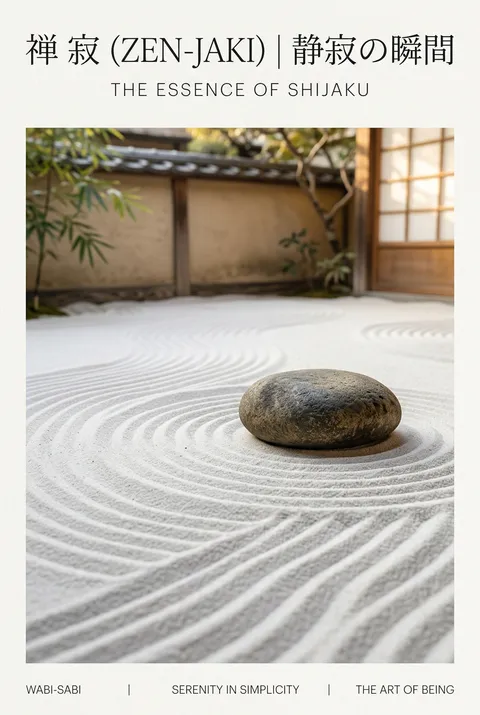
Ma treats empty space as an active design element rather than unused area. In Japanese minimalist posters, generous negative space allows each element to breathe and creates contemplative balance. The space between objects carries meaning equal to the objects themselves, inviting viewers to pause and reflect. This creates compositions that feel serene and purposeful rather than sparse or incomplete.
What materials and colors define Japanese minimalist aesthetics?
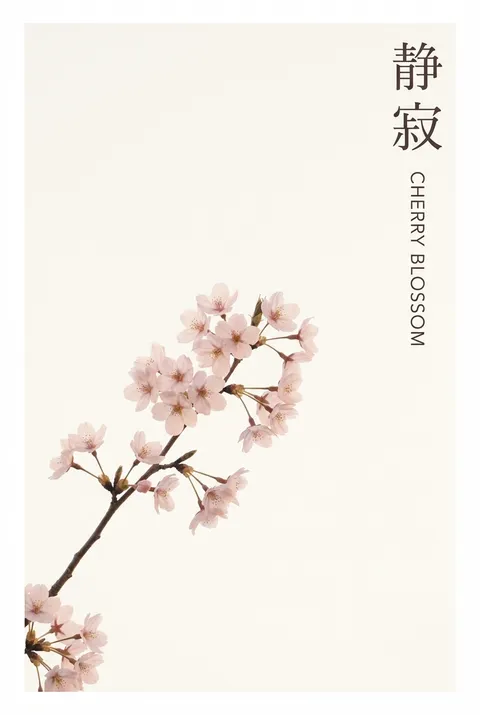
Natural materials dominate Japanese minimalism: wood grain, handmade paper textures, woven fibers, and stone. The color palette features soft earth tones, muted greens, warm grays, cream whites, and subtle blues inspired by nature. Light tones predominate, with soft diffused lighting that avoids harsh shadows. The overall effect creates calm, timeless compositions that connect viewers to nature and invite mindful contemplation.
Ready to design your next poster?
Create Japanese Minimalism Poster