
Cyberpunk Posters
Originating in the early 1980s through works like William Gibson’s “Neuromancer” and Ridley Scott’s “Blade Runner,” Cyberpunk arose from a collision of technological optimism and urban alienation. Its design philosophy fixates on the paradox of seductive innovation coexisting with social decay, layering neon allure over dystopian anxieties and presenting technology as both a tool of power and a source of resistance.
5 credits for new user registration. No credit card required.
Create Your Own Cyberpunk Poster
Use our AI generator to design Cyberpunk posters in seconds with full commercial rights.
Create Cyberpunk Poster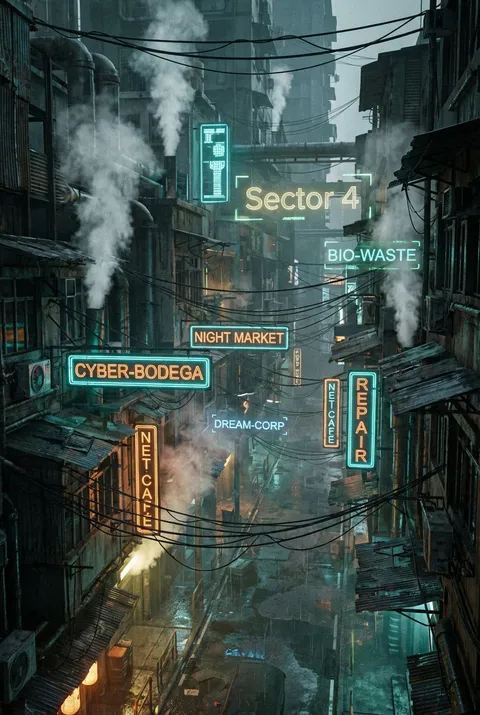
The Art of Cyberpunk?
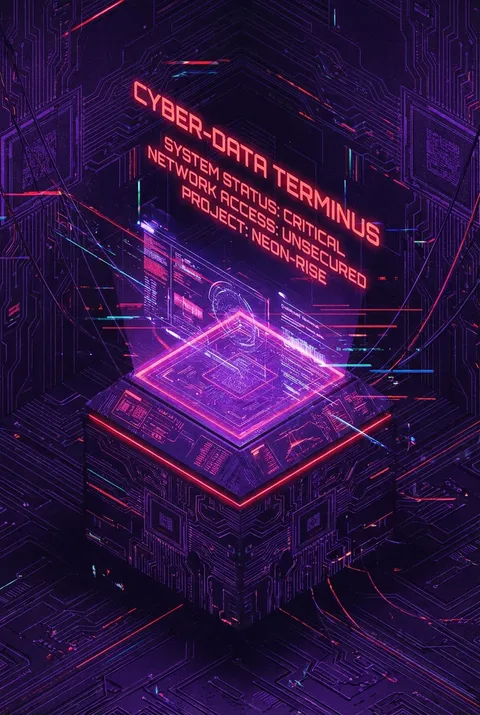
Turn Ideas into Art in Seconds
Describe Your Vision
Simply type your idea or concept for the poster.
Select Cyberpunk Style
Our AI applies the specific Cyberpunk design rules to your concept.
Customize & Download
Fine-tune colors, add text, and export in high-resolution.
Why Designers Choose Us
The professional choice for AI-generated design
Instant Speed
Results in < 30s
CC0 License
100% Commercial Use
Fully Editable
Layer-by-layer control
High Res
Print-ready quality
About Cyberpunk Design
History of Cyberpunk
Design Philosophy
Related Keywords
Cyberpunk FAQ
Quick answers about designing Cyberpunk posters.
What are the defining visual elements of cyberpunk design?
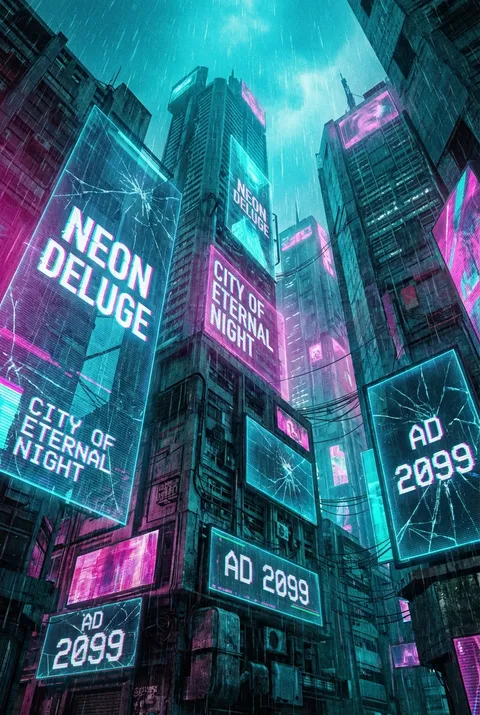
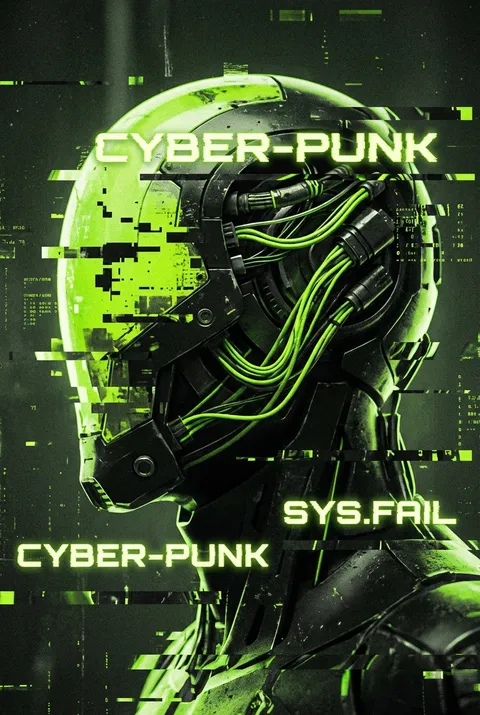
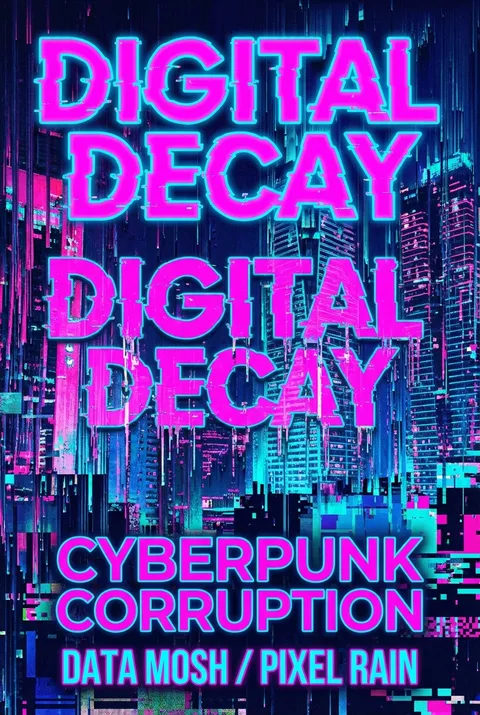
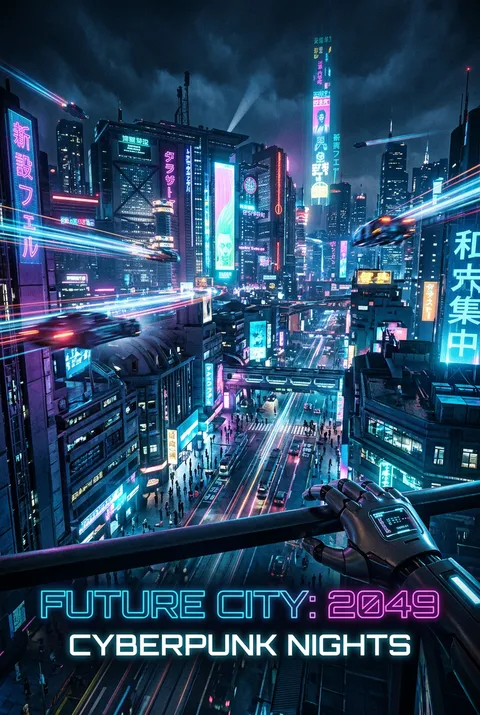
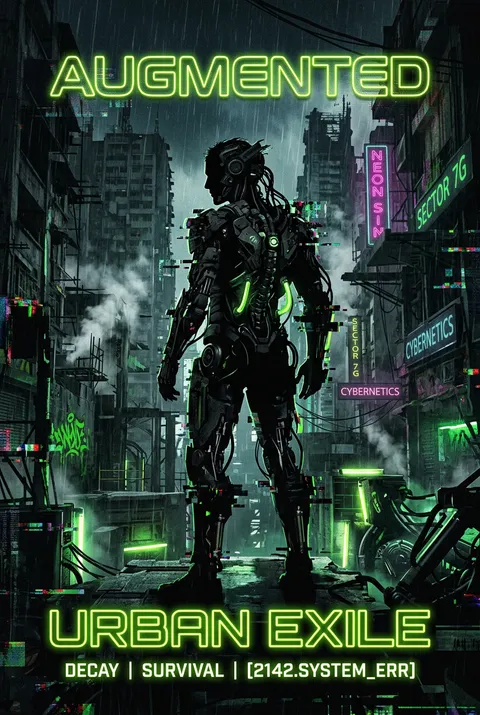
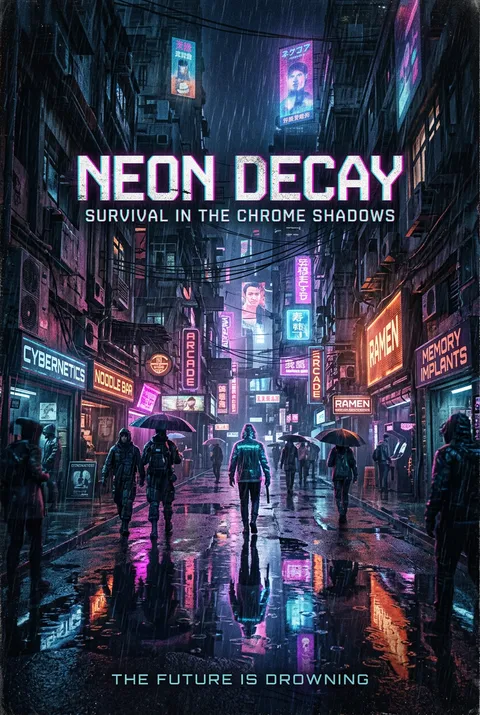
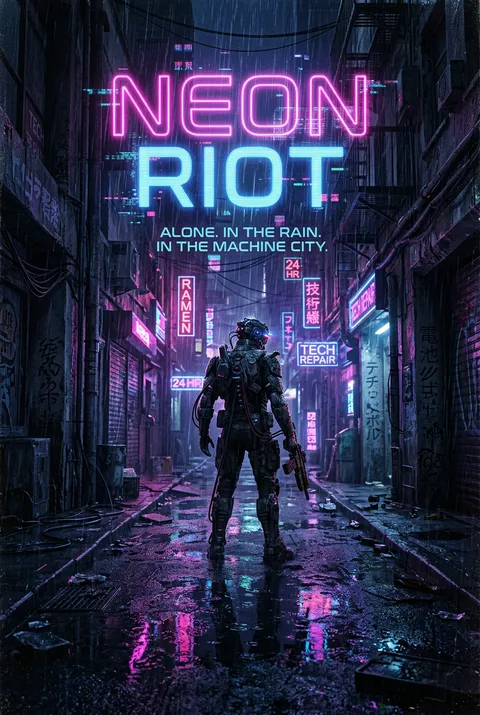
When you think about cyberpunk design, you probably envision neon lights, skyscrapers and dystopian backdrops. Cyberpunk is often described as 'high tech low life'—basically an advanced technology world inhabited by people who can't afford the luxuries. Common visual motifs include futuristic cityscapes, glowing signs, rainy streets, robotic figures, circuit board patterns, holographic and glitch effects, and neon signs and billboards.
What color palette should I use for cyberpunk poster design?
Use bright pink, blue, and purple colors to give your art that cyberpunk glow. Neon lights catch the eye and make your design stand out against darker backgrounds. Vibrant red can also be a primary color, with designs including robotic and technological elements. Bold colors, intricate cybernetic details, and moody atmospheres are hallmarks of the style.
What influenced the cyberpunk aesthetic?
Blade Runner is dark and gritty, peppered with the glittering lights of urban skyscapes—this aesthetic continues to influence cyberpunk design. Ridley Scott's 1982 masterpiece whose hazy dystopian LA was mostly conceived by concept designer Syd Mead, who would later work on Aliens and Tron, inspiring a future generation of cyberpunk designers.
How do I create depth and lighting in cyberpunk designs?
Add strong contrast between light and shadow to give it depth and intensity. You can highlight main subjects with glowing edges or reflections to make them stand out. Look for loud contrasting color schemes, unconventional layouts and playful, digitally enhanced typography that doesn't obey traditional rules. Poster designs often follow no clear structure.
What typography works best for cyberpunk posters?
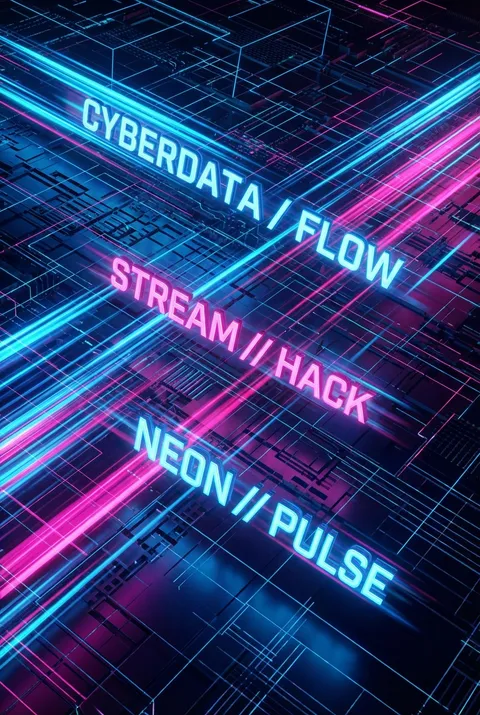
Look for loud contrasting color schemes, unconventional layouts and playful, digitally enhanced typography that doesn't obey traditional rules. Cyberpunk poster designs often follow no clear structure. Typography should feel digital, glitchy, or futuristic—mixing different scripts and using distortion effects to create that signature high-tech aesthetic.
Ready to design your next poster?
Create Cyberpunk Poster