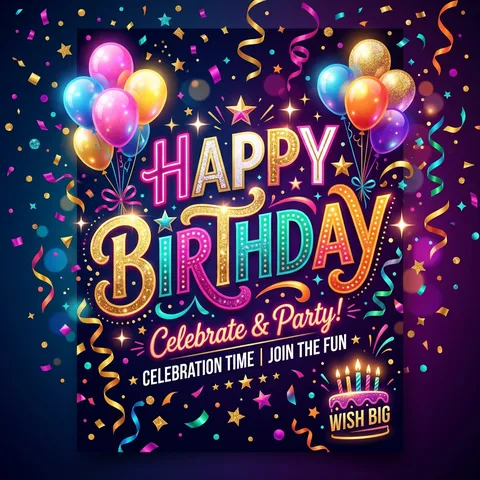
/
50,000 Posters Generated Today

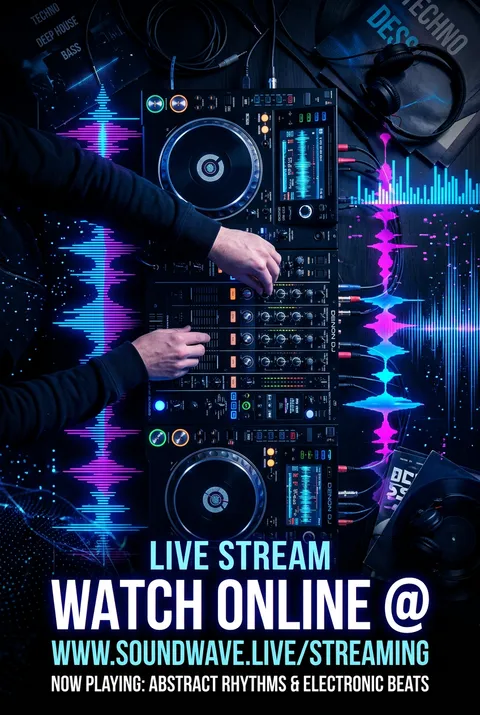
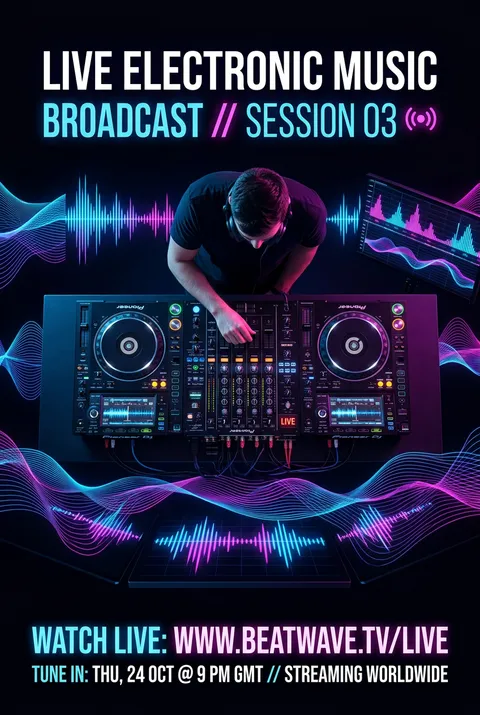
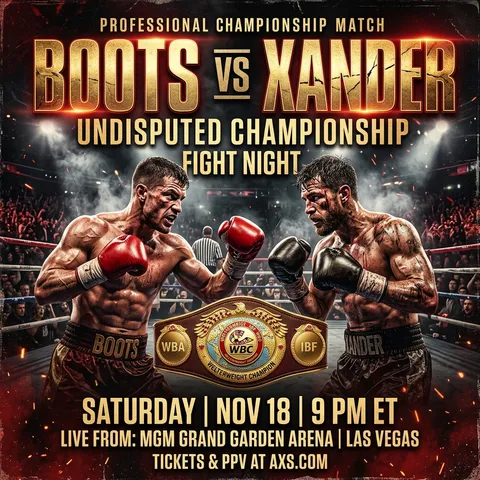
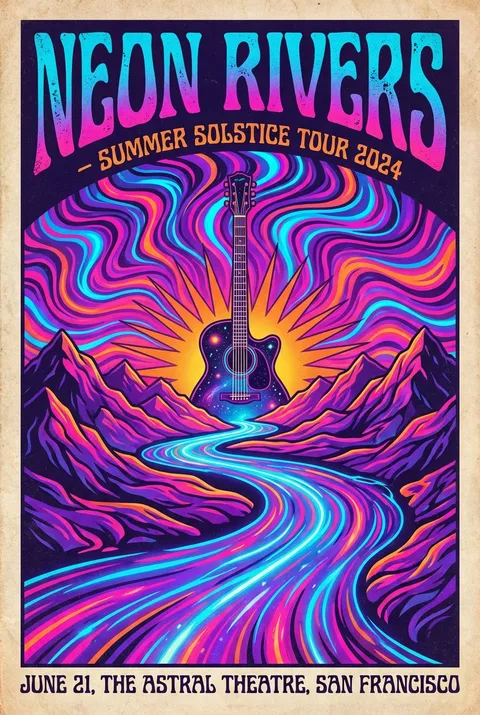
Bold Typography Posters

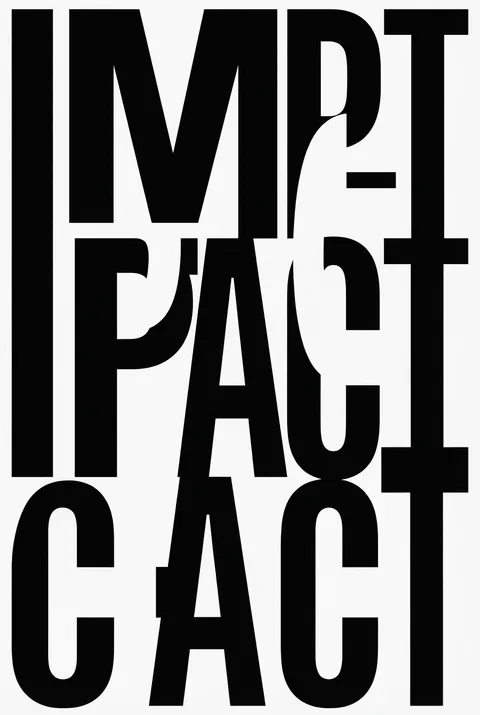
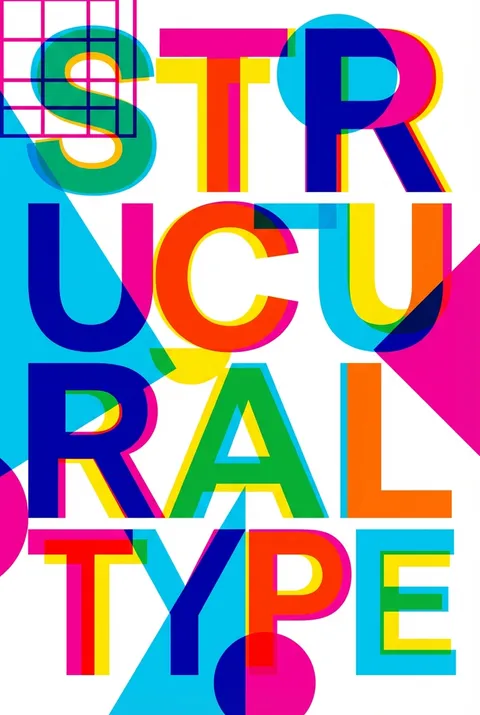
Bold Typography crystallized through 20th-century avant-garde movements, from Marinetti’s Futurist experiments and the Bauhaus’s geometric rigor to the monumental, rule-breaking compositions of Swiss masters and postmodern innovators. Its philosophy asserts that letterforms possess intrinsic visual power—scale, rhythm, and spatial relationships become the primary language, transforming the surface into an expressive field where typography alone drives emotional and conceptual impact.

5 credits for new user registration. No credit card required.

High ResolutionCommercial License

Create Your Own Bold Typography Poster

Use our AI generator to design Bold Typography posters in seconds with full commercial rights.

Create Bold Typography Poster
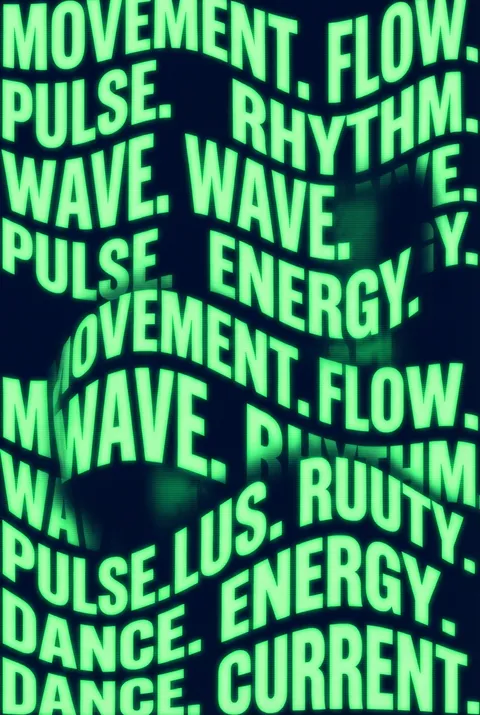
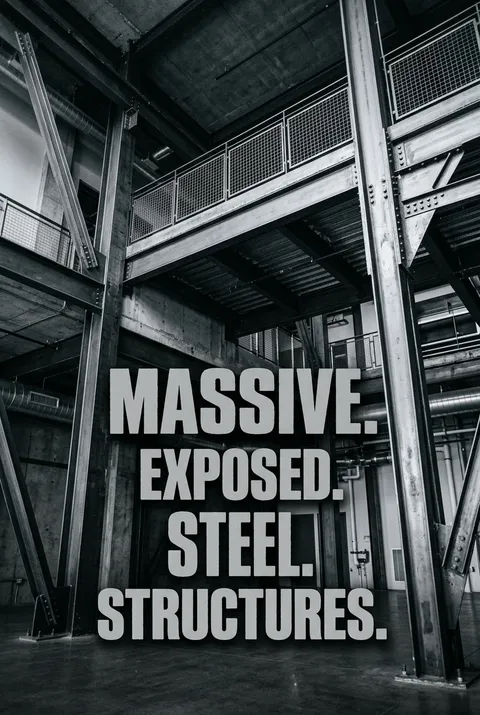
Featured Bold Typography Posters

Style Guide

The Art of Bold Typography?

Bold Typography crystallized through 20th-century avant-garde movements, from Marinetti’s Futurist experiments and the Bauhaus’s geometric rigor to the monumental, rule-breaking compositions of Swiss masters and postmodern innovators. Its philosophy asserts that letterforms possess intrinsic visual power—scale, rhythm, and spatial relationships become the primary language, transforming the surface into an expressive field where typography alone drives emotional and conceptual impact.
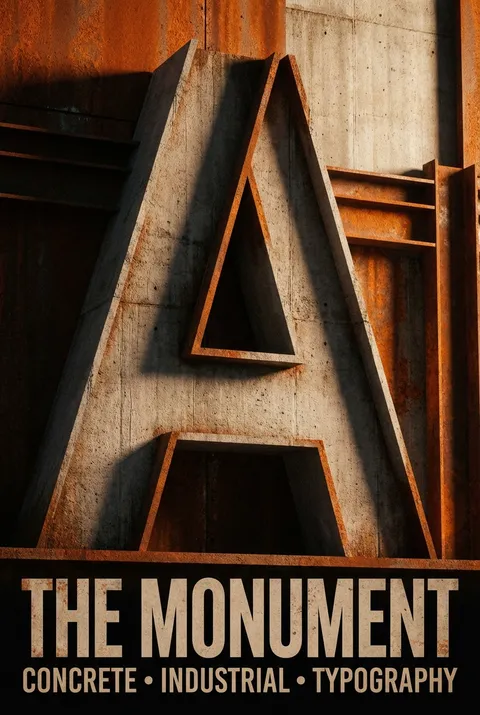
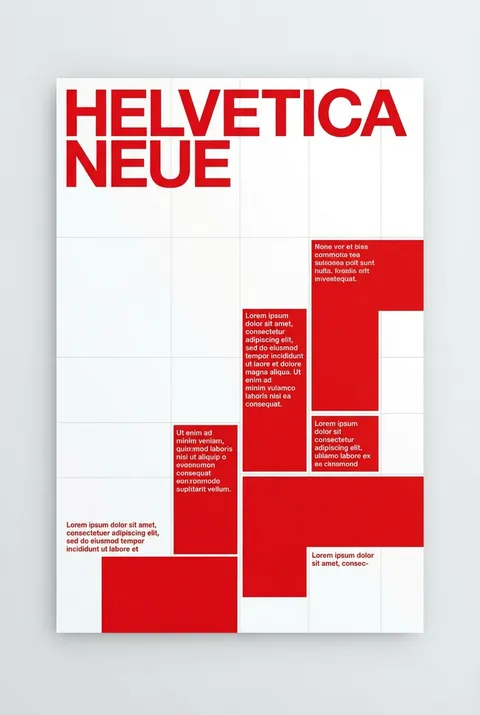
Bold Typography representative poster

Watch: Creating a Poster in 30s

Turn Ideas into Art in Seconds

1

Describe Your Vision

Simply type your idea or concept for the poster.

2

Select Bold Typography Style

Our AI applies the specific Bold Typography design rules to your concept.

3

Customize & Download

Fine-tune colors, add text, and export in high-resolution.

Why Designers Choose Us

The professional choice for AI-generated design

Instant Speed

Results in < 30s

CC0 License

100% Commercial Use

Fully Editable

Layer-by-layer control

High Res

Print-ready quality

Bold Typography Design Guide

About Bold Typography Design

Bold Typography crystallized through 20th-century avant-garde movements, from Marinetti’s Futurist experiments and the Bauhaus’s geometric rigor to the monumental, rule-breaking compositions of Swiss masters and postmodern innovators. Its philosophy asserts that letterforms possess intrinsic visual power—scale, rhythm, and spatial relationships become the primary language, transforming the surface into an expressive field where typography alone drives emotional and conceptual impact.

History of Bold Typography

The elevation of typography from supporting element to primary graphic device evolved through the 20th century. Early precedents include the Futurist "words in freedom" of Filippo Marinetti (1909), where text exploded across pages in dynamic arrangements, and the Dada typographic experiments of Raoul Hausmann and Kurt Schwitters. The Bauhaus school's Herbert Bayer stripped typography to geometric essentials, while Jan Tschichold's "Die Neue Typographie" (1928) codified modernist principles. The Swiss International Style of the 1950s-60s brought disciplined boldness—designers like Armin Hofmann created posters where typography achieved monumental presence through scale and negative space. Wolfgang Weingart's "New Wave" typography in the 1970s-80s broke these rules, stacking, overlapping, and distorting letters into raw visual energy. Contemporary bold typography inherits these traditions while responding to new contexts. Designers like Paula Scher, whose work for The Public Theater created explosive typographic identities, and David Carson, whose deliberately "illegible" Ray Gun magazine layouts provoked controversy, pushed typography toward pure visual expression. Today, bold typography appears in everything from brand identities to protest graphics, demonstrating that letters themselves can carry all necessary visual power.

Design Philosophy

Bold Typography poster design treats letterforms as visual shapes first and linguistic symbols second. The philosophy holds that typography possesses inherent aesthetic power—weight, proportion, rhythm, and negative space create emotional impact independent of linguistic content. Core principles include extreme scale shifts, deliberate hierarchy (or deliberate destruction of hierarchy), careful attention to spacing and letter relationships, and treating the poster surface as compositional field rather than reading surface. The emotional range spans from authoritative declaration to expressive chaos, unified by the commitment to make typography carry the entire visual burden.

Bold Typography FAQ

Quick answers about designing Bold Typography posters.

How and where to use bold typography?

Thick fonts might be more appropriately called Heavy or Ultra Bold—the use of bolds and heavies are to make heavy emphasis. It's like SHOUTING, so the bottom line is to use bold typography in publications or visual communications when the words need to stand out dramatically. Use it sparingly.

What is the psychology behind bold typography?

Bold typography conveys confidence, urgency, and importance. Heavy typefaces command attention and create immediate visual impact. They work best for headlines, calls-to-action, and key messages that need to be seen first. The visual weight signals to readers that this information matters.

What fonts work best for bold typography posters?

Display fonts with high x-heights and consistent stroke widths work exceptionally well. Sans-serif fonts like Helvetica Bold, Futura Extra Bold, and modern geometric typefaces create clean, impactful designs. Slab serifs like Rockwell add character while maintaining legibility at large sizes.

How do I balance bold typography with other design elements?

Bold typography needs breathing room to be effective. Use generous margins and negative space to let the type command attention. Limit your color palette and avoid competing visual elements. The type should be the hero—everything else supports it.

What are common bold typography design trends?

Current trends include oversized type that bleeds off the edge, kinetic typography in motion graphics, variable fonts that animate between weights, mixed-weight compositions, and typography as the sole visual element. Brutalist approaches using bold system fonts have also gained popularity.

Ready to design your next poster?

Create Bold Typography Poster