
Retro Vintage Posters
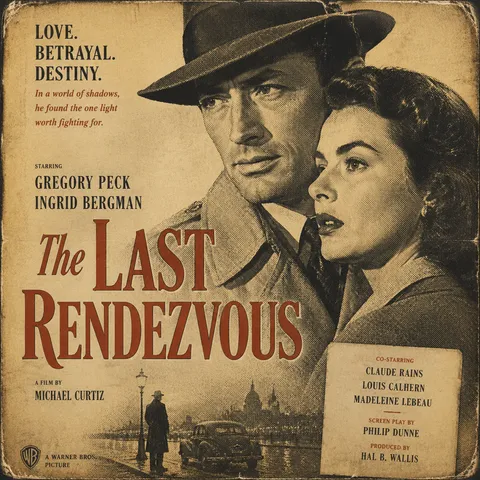
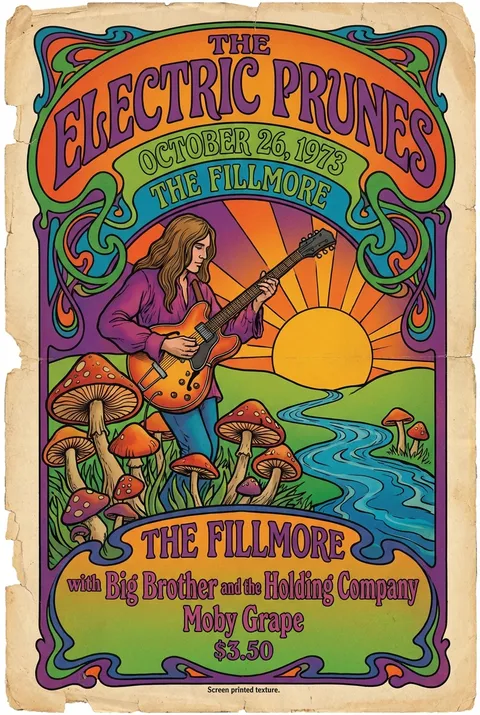
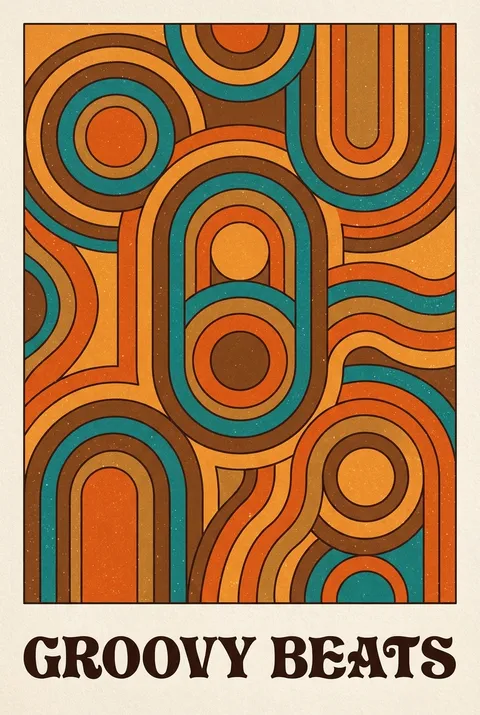
Retro vintage design continually resurfaces as each generation reinterprets the visual language of past decades, from the earthy exuberance of the 1970s to the neon futurism of the 1980s and the digital edge of the 1990s. Its philosophy centers on the power of nostalgia, employing era-specific typography, palettes, and motifs to evoke collective memory and create immediate emotional resonance through visual storytelling.
5 credits for new user registration. No credit card required.
Create Your Own Retro Vintage Poster
Use our AI generator to design Retro Vintage posters in seconds with full commercial rights.
Create Retro Vintage Poster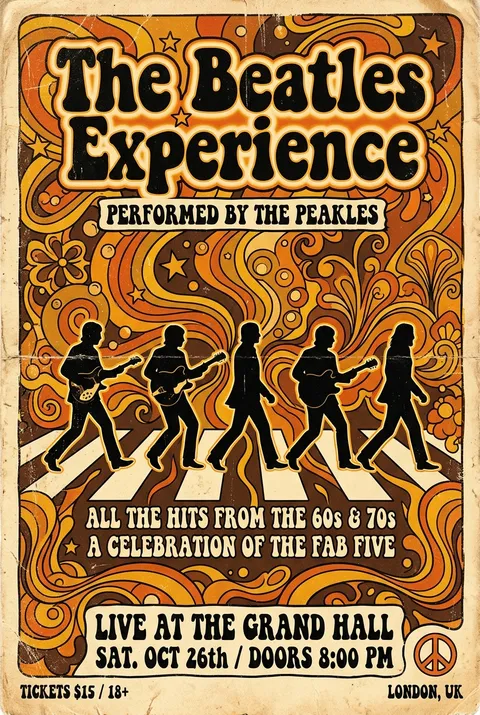
The Art of Retro Vintage?
Turn Ideas into Art in Seconds
Describe Your Vision
Simply type your idea or concept for the poster.
Select Retro Vintage Style
Our AI applies the specific Retro Vintage design rules to your concept.
Customize & Download
Fine-tune colors, add text, and export in high-resolution.
Why Designers Choose Us
The professional choice for AI-generated design
Instant Speed
Results in < 30s
CC0 License
100% Commercial Use
Fully Editable
Layer-by-layer control
High Res
Print-ready quality
About Retro Vintage Design
History of Retro Vintage
Design Philosophy
Related Keywords
Retro Vintage FAQ
Quick answers about designing Retro Vintage posters.
What are the key characteristics of retro poster design?
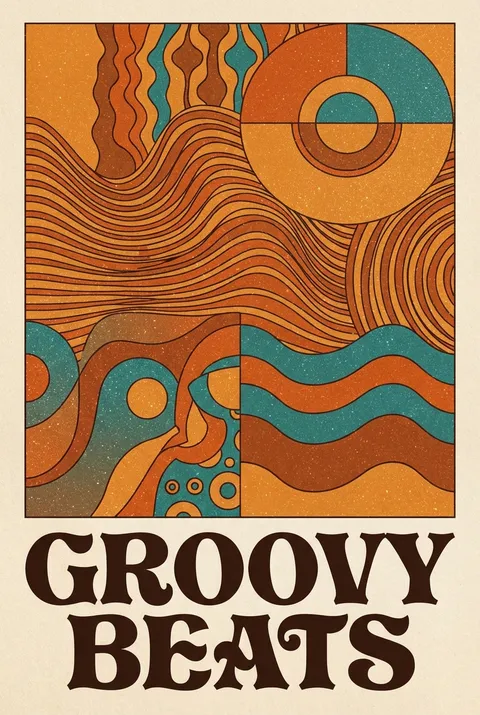
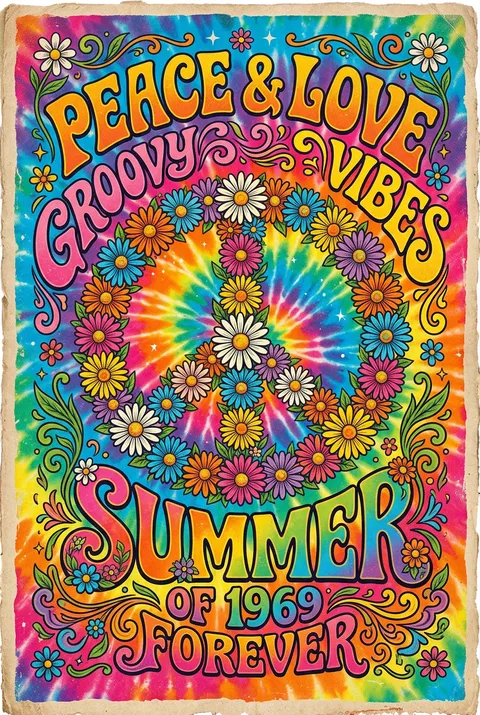
One of the most distinctive features of retro poster design is its use of color. Vibrant, bold, and often contrasting hues create a visual pop that's hard to ignore. Think of the mustard yellows, avocado greens, and bright oranges that scream the '60s and '70s. These colors evoke a sense of nostalgia and bring back the essence of the eras they represent. Authentic retro poster styles typically showcase era-specific color palettes, like the pastels of the 1950s or the psychedelic neons of the 1960s.
What typography works best for retro vintage posters?
For a touch of nostalgia that harks back to the 1950s and '60s, retro script fonts like 'Lobster' and 'Pacifico' offer beautiful cursive details that mimic hand-painted lettering. These fonts are imbued with a sense of warmth and personal touch, ideal for designs that require a more intimate, homemade feel. Typography is a cornerstone of poster design, especially in creating a vintage aesthetic.
What textures give vintage posters an authentic feel?
One of the main characteristics of a retro poster design is the use of textures that imitate the result of traditional printing. Additionally, utilizing effects like grain, halftone, noise, and old paper textures gives an authentic and personalized appearance. These elements strengthen the vintage visual vibe and exude historical atmosphere. All vintage posters have tons of texture that help the designs to feel older and less mass-produced.
Why does vintage design appeal to modern audiences?
The allure of vintage nostalgia in pop art lies in its ability to evoke cherished memories and emotional connections. In a world dominated by digital media, these analog artworks offer a refreshing escape into a simpler, more tactile past. Their handcrafted quality and tangible presence evoke a sense of authenticity that is often missing in modern design. Retro poster design is like a time capsule, each piece a splash of the past.
What design elements create that retro kitsch appeal?
There's often an element of kitsch in retro designs, which plays on ironic humor and nostalgia. This can be seen in the exaggerated emotions of the characters, the overtly dramatic copy, or the inclusion of elements that might seem outdated or cheesy by today's standards. This playful nod to the past often brings a smile and a sense of warmth. A slim border around your poster immediately gives the design a vintage feel.
Ready to design your next poster?
Create Retro Vintage Poster