
Minimalist Posters
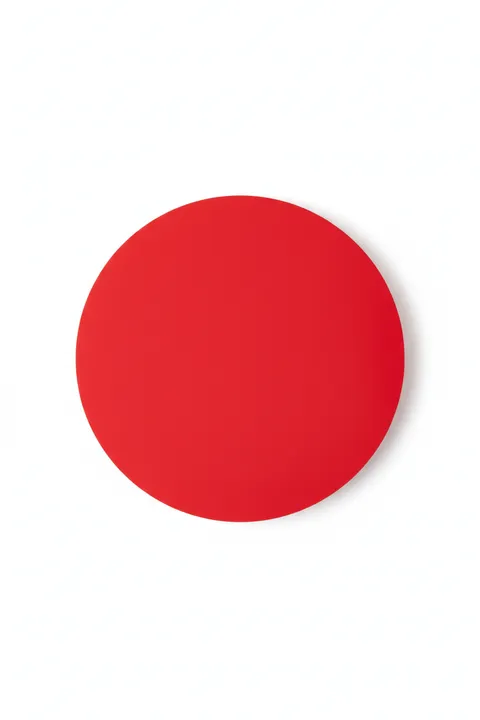
Minimalist design emerged as a cohesive movement in 1960s New York, with artists like Donald Judd and Agnes Martin advancing work reduced to essential geometry—though its roots trace to earlier European movements seeking clarity through reduction. The philosophy asserts that every element must justify its presence, favoring compositions where deliberate restraint and negative space become active agents of meaning rather than simple absence.
5 credits for new user registration. No credit card required.
Create Your Own Minimalist Poster
Use our AI generator to design Minimalist posters in seconds with full commercial rights.
Create Minimalist Poster







The Art of Minimalist?

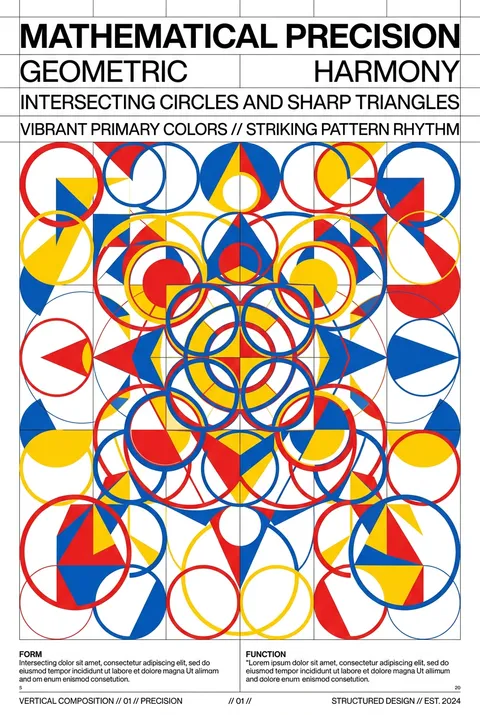

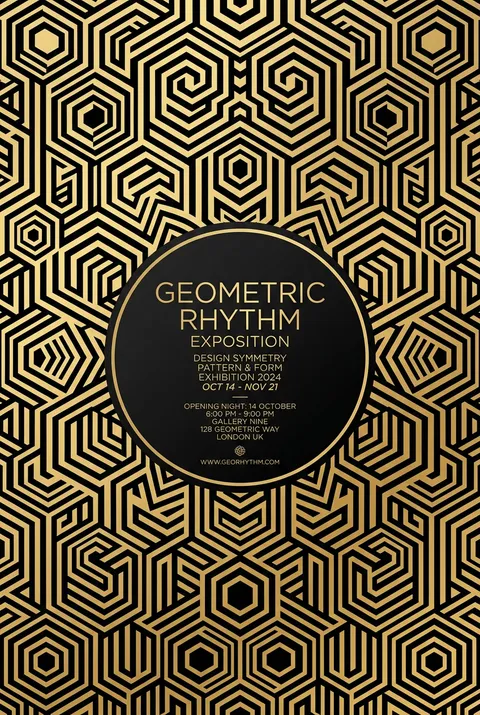
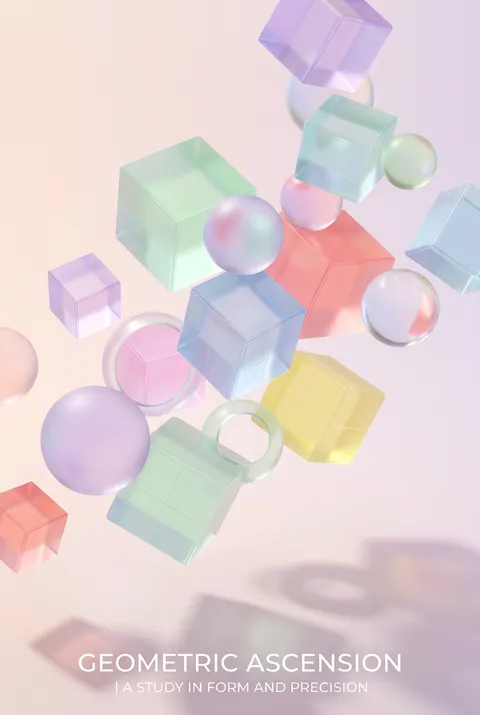

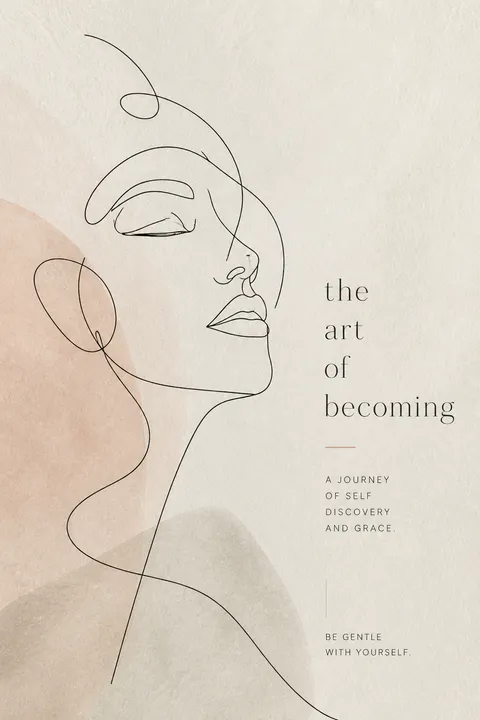
Turn Ideas into Art in Seconds
Describe Your Vision
Simply type your idea or concept for the poster.
Select Minimalist Style
Our AI applies the specific Minimalist design rules to your concept.
Customize & Download
Fine-tune colors, add text, and export in high-resolution.
Why Designers Choose Us
The professional choice for AI-generated design
Instant Speed
Results in < 30s
CC0 License
100% Commercial Use
Fully Editable
Layer-by-layer control
High Res
Print-ready quality
About Minimalist Design
History of Minimalist
Design Philosophy
Related Keywords
Minimalist FAQ
Quick answers about designing Minimalist posters.
How do I create minimalist posters?
Creating minimalist posters requires both thought process and technical skills. While you can create minimal posters in Photoshop, Illustrator is often recommended as an easier alternative. Letterforms are extremely versatile communication artifacts that can be equally powerful used solo or as a group. The grid is one of the most powerful tools you can use to create striking minimalist pieces—design a grid to help you organize content into a balanced composition.
What are some of the best examples of minimalistic designs for posters?
Minimalist poster design theory is all about doing more by using less—not just about having fewer elements for the sake of it. When we get rid of all the clutter, we allow a small number of strong elements to clearly convey the poster's message. Strategic white space is the intentional use of empty areas around and between design elements. Instead of filling every available area, strategic white space gives the other elements room to breathe.
What color palettes work best for minimalist poster design?
There are three main ways to choose color palettes for minimalist posters: monochromatic schemes, muted colors, and high contrast. A monochromatic palette uses various shades, tints, and tones of a single color. For typography, sans serifs are ideal—visual clarity and readability of minimalist fonts that don't have additional details like serifs and decorative twirls is perfect for minimalist posters.
Why has minimalist design become so popular?
People want an escape from the information overload they receive on a daily basis. Whether you scroll through your social newsfeed, skim through TV channels, or simply take a stroll down a busy street, you'll see brands trying to push their messages everywhere. Because of that, the average modern individual craves simplicity, and neither has the time, nor the mental energy to focus on every complex or cluttered visual they come across.
What are the key design tips for creating minimalist posters?
Go geometric when stuck—if you've wracked your brains trying to come up with a beautiful minimalist poster but still haven't arrived at anything awesome, go geometric. Don't limit minimalism to the design—develop simple and clever copy as well. Creating a visual balance is mandatory if you want to achieve that professional look. You can divide the minimalist poster template into two halves where the first half is for graphics and the second half is for text.
Ready to design your next poster?
Create Minimalist Poster