
Professional Posters
Professional design aesthetics emerged in the mid-20th century alongside the rise of corporate visual identity, most notably shaped by the Swiss International Style and visionaries like Paul Rand and Otl Aicher. This approach is guided by a philosophy that values credibility and trust, relying on systematic organization, typographic clarity, and visual restraint to convey competence and foster confidence in business communication.
5 credits for new user registration. No credit card required.
Create Your Own Professional Poster
Use our AI generator to design Professional posters in seconds with full commercial rights.
Create Professional Poster
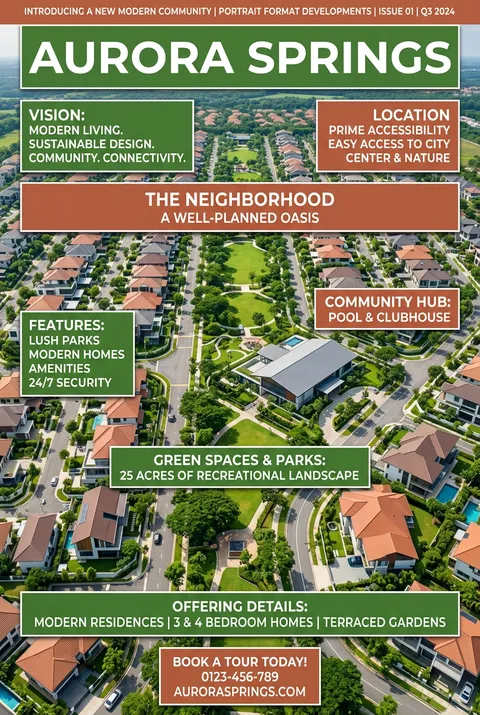



The Art of Professional?

Turn Ideas into Art in Seconds
Describe Your Vision
Simply type your idea or concept for the poster.
Select Professional Style
Our AI applies the specific Professional design rules to your concept.
Customize & Download
Fine-tune colors, add text, and export in high-resolution.
Why Designers Choose Us
The professional choice for AI-generated design
Instant Speed
Results in < 30s
CC0 License
100% Commercial Use
Fully Editable
Layer-by-layer control
High Res
Print-ready quality
About Professional Design
History of Professional
Design Philosophy
Related Keywords
Professional FAQ
Quick answers about designing Professional posters.
What visual elements characterize professional corporate design?
Professional design emphasizes clarity and legibility through clean typography, primarily sans-serif fonts with excellent readability. Visual compositions favor organized layouts with conventional grid structures and straightforward information hierarchy. Color palettes remain restrained, typically featuring neutral backgrounds with one or two accent colors for emphasis. Simple vector icons, high-quality photographs, and geometric shapes provide visual interest without distraction from core messaging.
How does professional design differ from other graphic design styles?
Professional design prioritizes function over decorative expression, using conservative elements that project credibility and trustworthiness. Unlike playful or experimental styles, it avoids trendy flourishes that might date quickly or alienate audiences. Layouts follow established conventions for business communications, ensuring content accessibility across diverse viewers. The style values consistency across all brand touchpoints, building recognition through cohesive visual identity rather than individual piece creativity.
What makes typography effective in professional business design?
Effective professional typography prioritizes legibility across formats and sizes, favoring classic sans-serif fonts that render clearly on screens and print. Font choices should feel timeless rather than trendy, maintaining credibility over years of use. Hierarchy uses weight and size variations within limited font families rather than multiple typefaces. Generous line spacing and adequate contrast between text and backgrounds ensure comfortable reading regardless of viewer age or device.
When should businesses choose professional design over creative styles?
Professional design suits industries where trust and credibility are paramount: finance, legal services, healthcare, B2B technology, consulting, and corporate communications. Annual reports, investor presentations, business proposals, and formal documentation benefit from restrained aesthetics. Companies targeting mature demographics or conservative markets should favor professional approaches. The style works when content substance matters more than visual memorability, and when brand personality should convey competence over creativity.
Ready to design your next poster?
Create Professional Poster