
Pixel Art Posters
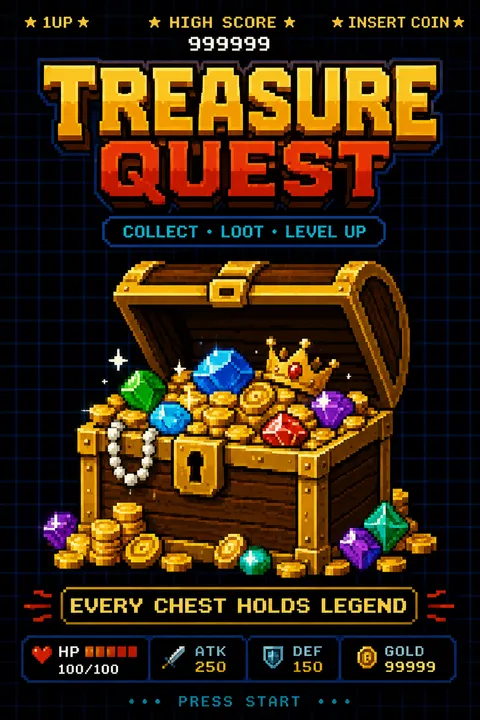
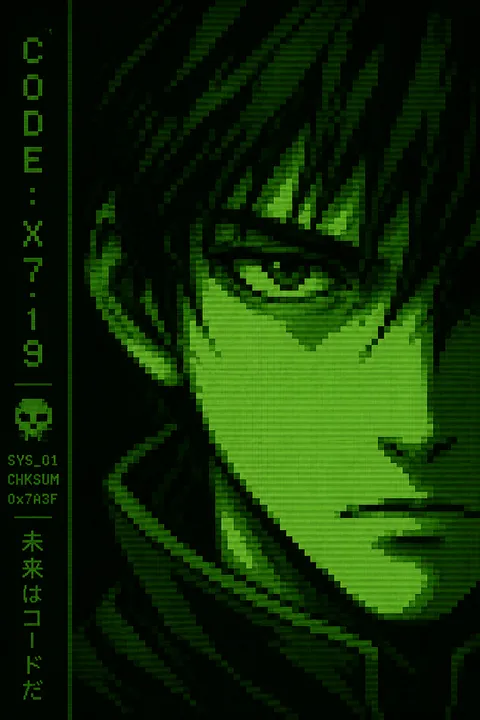
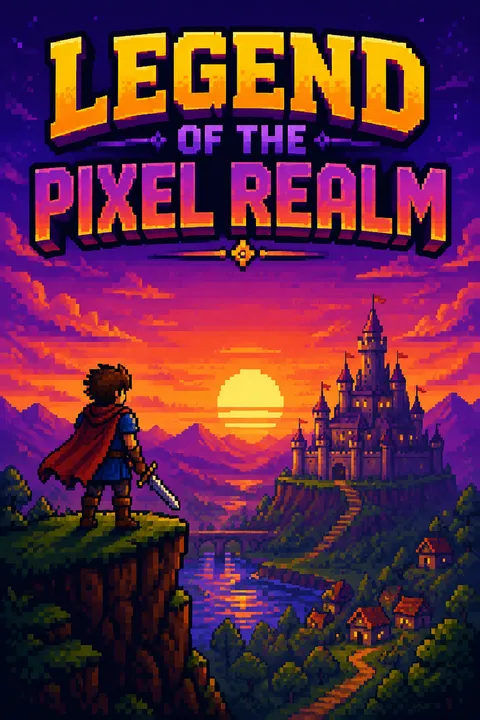
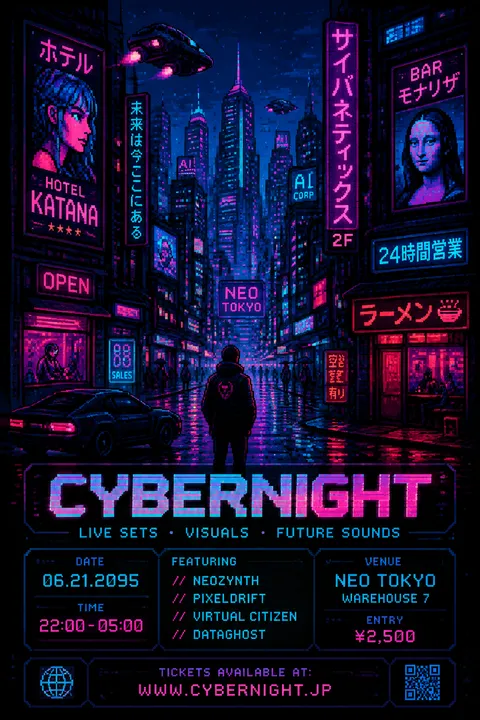
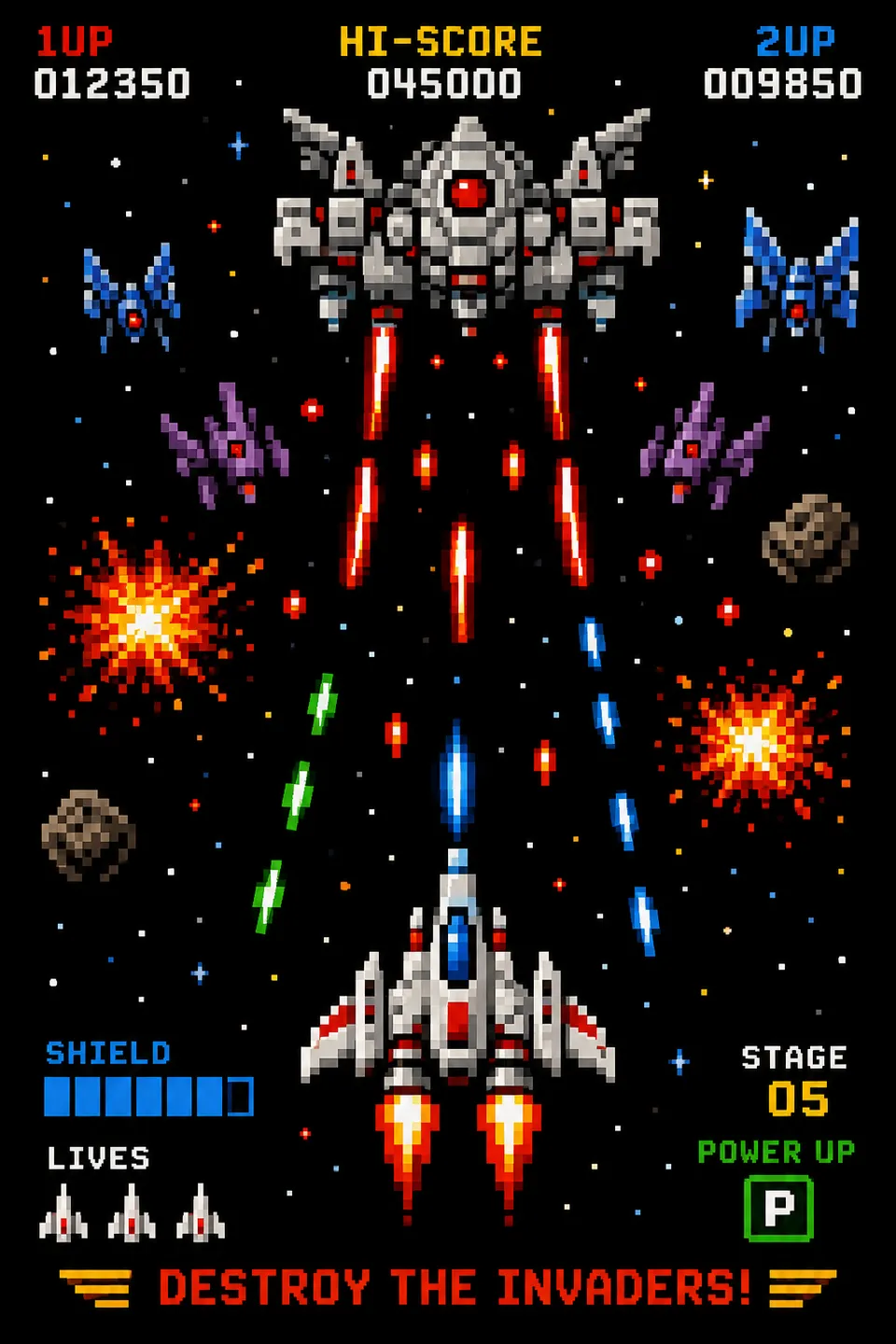
Pixel art originated in the late 1970s and early 1980s from the technical constraints of early video game consoles and computer displays, with figures like Shigeru Miyamoto and collectives such as eBoy shaping its evolution. The style’s philosophy values strict limitations—each pixel is a deliberate choice—embracing the grid as a tool for distilled clarity, playful nostalgia, and creativity born from restraint.
5 credits for new user registration. No credit card required.
Create Your Own Pixel Art Poster
Use our AI generator to design Pixel Art posters in seconds with full commercial rights.
Create Pixel Art Poster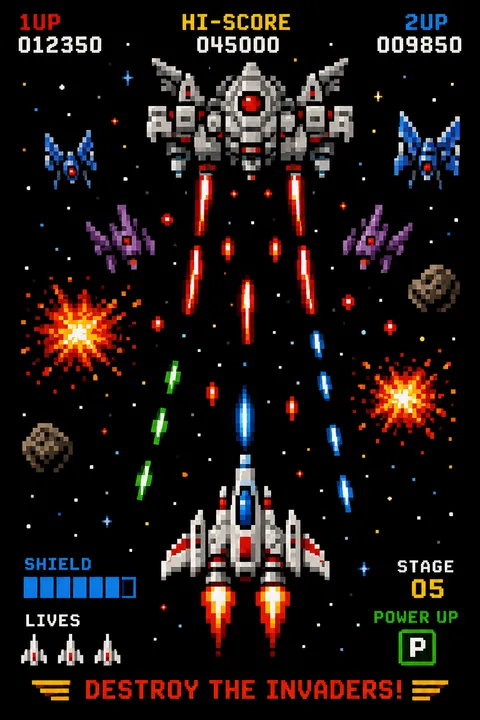
The Art of Pixel Art?
Turn Ideas into Art in Seconds
Describe Your Vision
Simply type your idea or concept for the poster.
Select Pixel Art Style
Our AI applies the specific Pixel Art design rules to your concept.
Customize & Download
Fine-tune colors, add text, and export in high-resolution.
Why Designers Choose Us
The professional choice for AI-generated design
Instant Speed
Results in < 30s
CC0 License
100% Commercial Use
Fully Editable
Layer-by-layer control
High Res
Print-ready quality
About Pixel Art Design
History of Pixel Art
Design Philosophy
Related Keywords
Pixel Art FAQ
Quick answers about designing Pixel Art posters.
What defines pixel art as an artistic style?
Pixel art is digital imagery created by placing individual pixels as deliberate building blocks rather than using anti-aliasing or automated smoothing. Each pixel serves an intentional purpose in the composition. Unlike high-resolution digital art, pixel art embraces visible grid structure as an aesthetic choice, with artists carefully controlling color placement at the smallest possible scale to create detailed imagery within strict constraints.
How did pixel art originate and evolve?
Pixel art emerged from necessity during the golden age of arcade games, with landmark titles like Space Invaders (1978) and Pac-Man (1980). The term was coined in 1982 by Xerox researchers. Early hardware limitations, such as the NES displaying only 25 colors onscreen from 54 available, forced artists to develop ingenious techniques for suggesting detail. After technical necessity faded, pixel art evolved into an intentional aesthetic choice celebrating this heritage.
Why has pixel art experienced a modern revival?
The 2010s saw pixel art resurge through acclaimed indie games including Shovel Knight, Undertale, Stardew Valley, and Celeste. Modern artists choose pixel constraints for nostalgic appeal connecting to childhood gaming memories, distinctive visual identity that stands apart from realistic graphics, and efficient production workflows. The aesthetic communicates warmth and accessibility while demonstrating that artistic impact does not require technical complexity.
What tools do artists use to create pixel art today?
Popular dedicated tools include Aseprite and Piskel for creating static images and animations with features designed specifically for pixel workflow. GraphicsGale and Pro Motion offer professional-grade capabilities for game development. General programs like Photoshop work with careful configuration. GDevelop allows creating pixel art games without coding knowledge. Modern tools provide animation support, palette management, and layer systems while respecting the pixel-level control essential to the art form.
Ready to design your next poster?
Create Pixel Art Poster