
Steampunk Posters
Steampunk originated in the 1980s as a literary genre, coined by K.W. Jeter to describe Victorian-inspired science fiction that reimagined technology powered by steam. The style champions a philosophy where the inner workings of machines—gears, pipes, and brass mechanisms—are celebrated as both functional and beautiful, merging ornate Victorian aesthetics with the honest visibility of engineering to challenge assumptions about technological progress.
5 credits for new user registration. No credit card required.
Create Your Own Steampunk Poster
Use our AI generator to design Steampunk posters in seconds with full commercial rights.
Create Steampunk Poster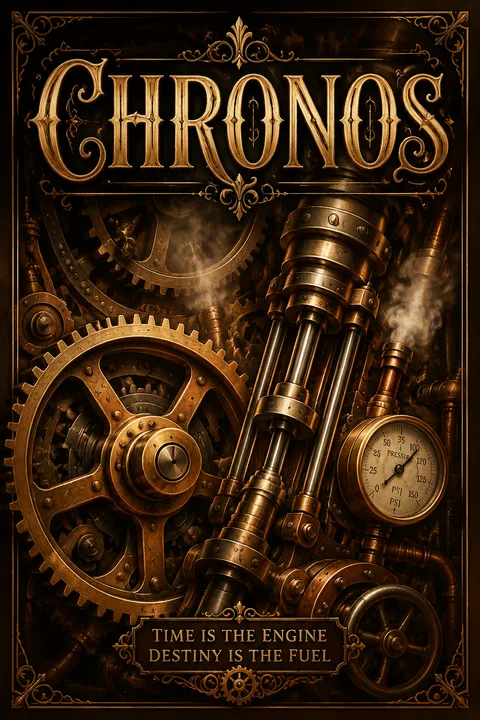
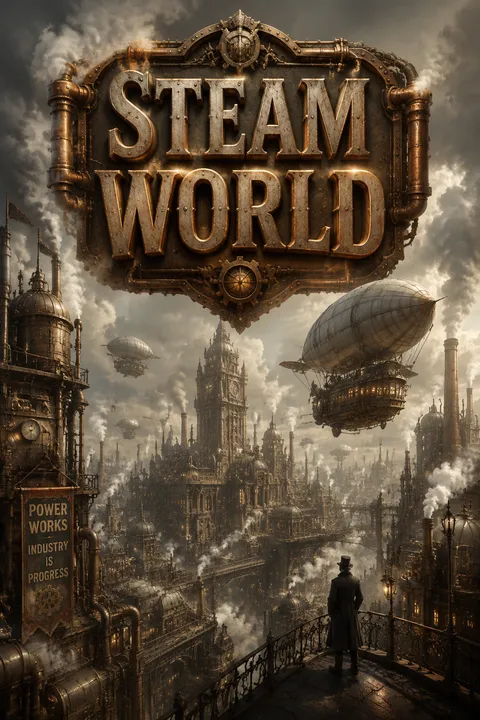
The Art of Steampunk?
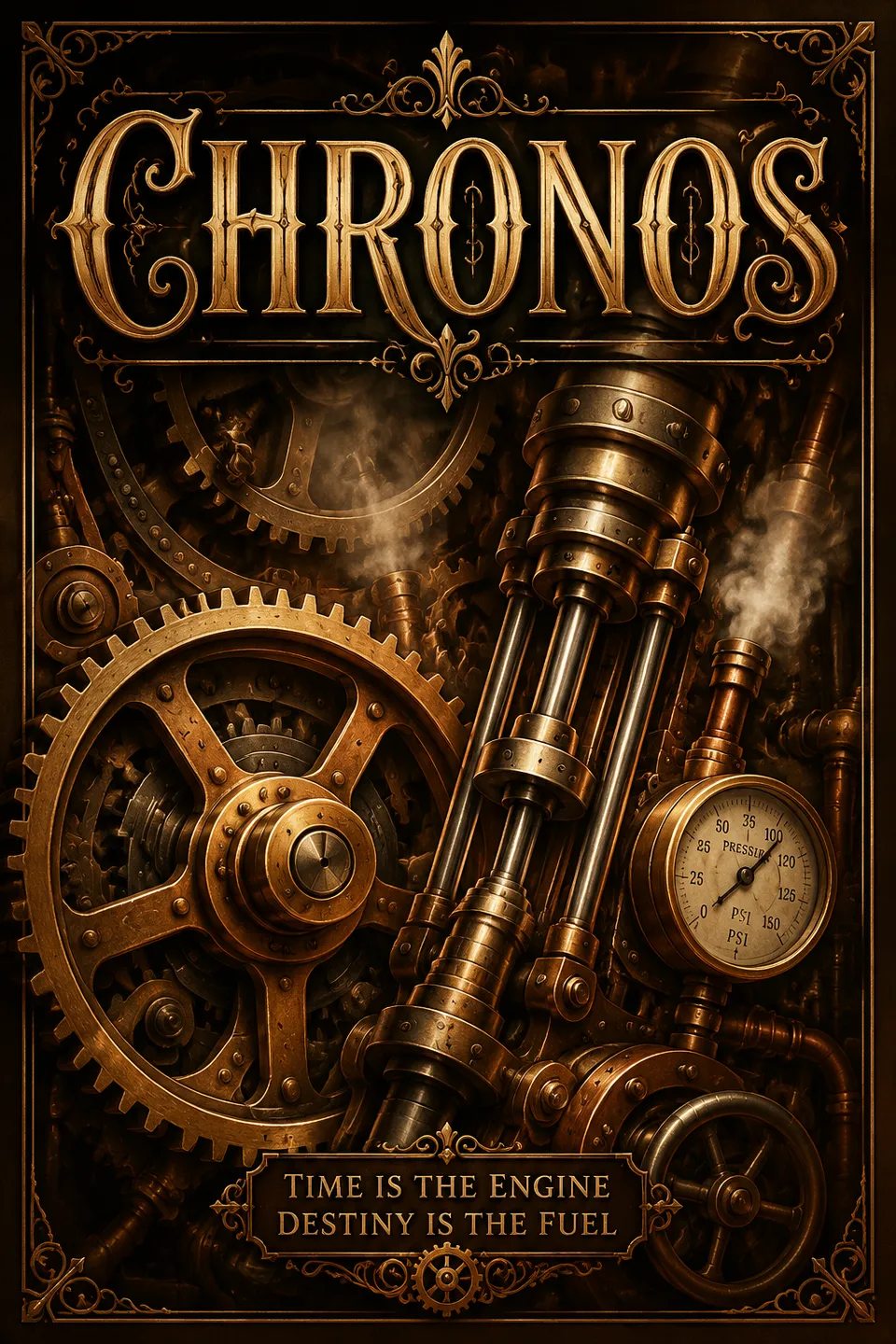
Turn Ideas into Art in Seconds
Describe Your Vision
Simply type your idea or concept for the poster.
Select Steampunk Style
Our AI applies the specific Steampunk design rules to your concept.
Customize & Download
Fine-tune colors, add text, and export in high-resolution.
Why Designers Choose Us
The professional choice for AI-generated design
Instant Speed
Results in < 30s
CC0 License
100% Commercial Use
Fully Editable
Layer-by-layer control
High Res
Print-ready quality
About Steampunk Design
History of Steampunk
Design Philosophy
Related Keywords
Steampunk FAQ
Quick answers about designing Steampunk posters.
What defines the steampunk aesthetic?
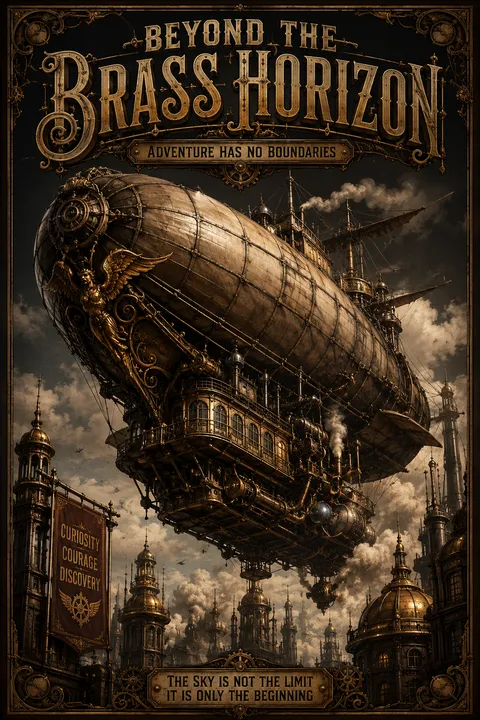
Steampunk blends Victorian-era elegance with industrial machinery and retro-futuristic technology. It features materials like polished brass, iron, wood, and leather combined with mechanical elements such as gears, cogs, and clockwork mechanisms. The style imagines technology as 19th-century inventors might have envisioned it—steam-powered machines with exposed mechanical workings and ornate decorative details.
Where does steampunk draw its visual inspiration?
Steampunk draws from Victorian England (1837-1901), French Belle Époque (1871-1914), and American Civil War era fashions. The literary works of Jules Verne and H.G. Wells heavily influence the aesthetic, with the octopus from 'Twenty Thousand Leagues Under the Sea' becoming a major genre symbol. The style also incorporates elements from early science fiction and industrial revolution machinery.
What are the key design elements in steampunk?
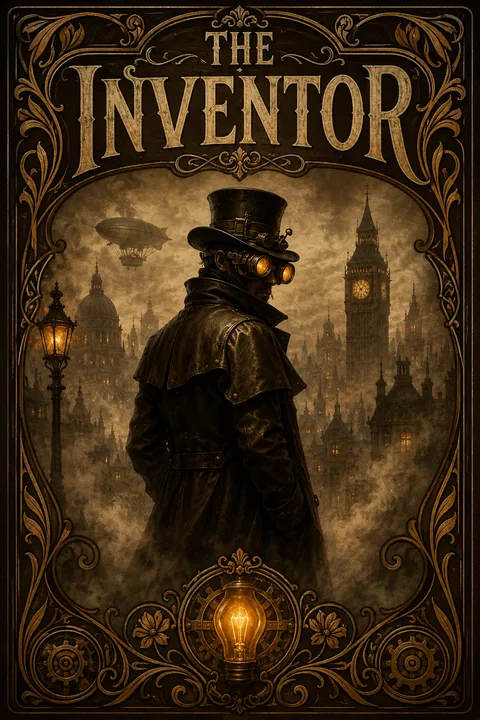
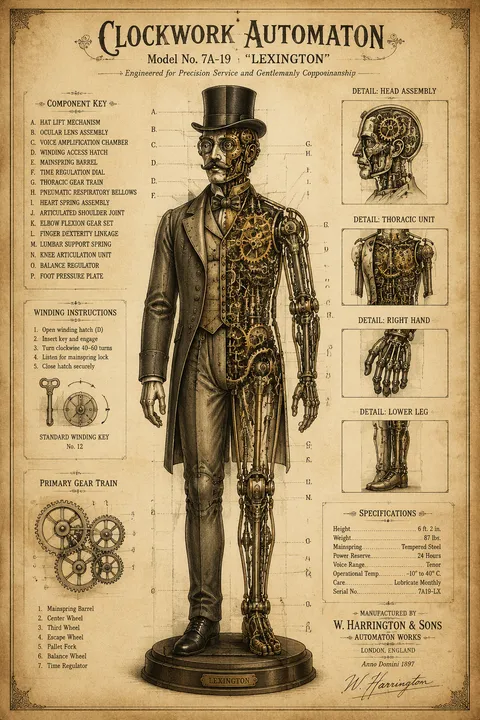
Central design elements include exposed gears and cogs, brass fixtures, leather straps, and mechanical instruments like pressure gauges and clockwork. Goggles, top hats, corsets, and waistcoats are iconic fashion items. The design philosophy balances form and function—embracing the handcrafted over the mass-produced, creating a non-luddite critique of modern technology through vintage materials.
What different styles exist within steampunk?
Industrial steampunk emphasizes complex machinery, factories, and mechanical components with raw, functional aesthetics. Romantic steampunk focuses on Victorian fashion, elegance, and ornate accessories, often adding supernatural elements. Both styles share the common thread of reimagining modern technology through a 19th-century lens, rejecting sleek industrial design in favor of craftsmanship and visible mechanical complexity.
Ready to design your next poster?
Create Steampunk Poster