
Industrial Posters
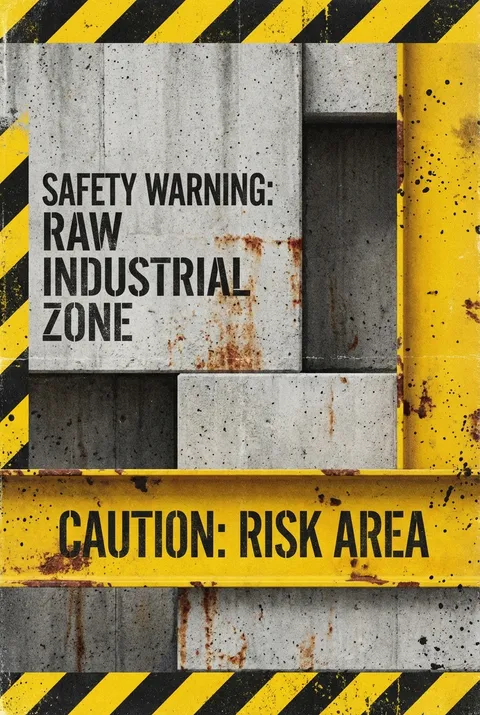
Industrial design emerged in 1960s New York as artists transformed abandoned factories into creative spaces, embracing exposed brick, steel, and concrete as inherent features rather than flaws. The philosophy values functional honesty—celebrating raw materials, visible structures, and utilitarian methods as aesthetic elements. Industrial style asserts that authenticity and utility, rather than decorative polish, are the true sources of beauty.
5 credits for new user registration. No credit card required.
Create Your Own Industrial Poster
Use our AI generator to design Industrial posters in seconds with full commercial rights.
Create Industrial Poster
Turn Ideas into Art in Seconds
Describe Your Vision
Simply type your idea or concept for the poster.
Select Industrial Style
Our AI applies the specific Industrial design rules to your concept.
Customize & Download
Fine-tune colors, add text, and export in high-resolution.
Why Designers Choose Us
The professional choice for AI-generated design
Instant Speed
Results in < 30s
CC0 License
100% Commercial Use
Fully Editable
Layer-by-layer control
High Res
Print-ready quality
About Industrial Design
History of Industrial
Design Philosophy
Industrial FAQ
Quick answers about designing Industrial posters.
What defines the industrial design style in poster art?
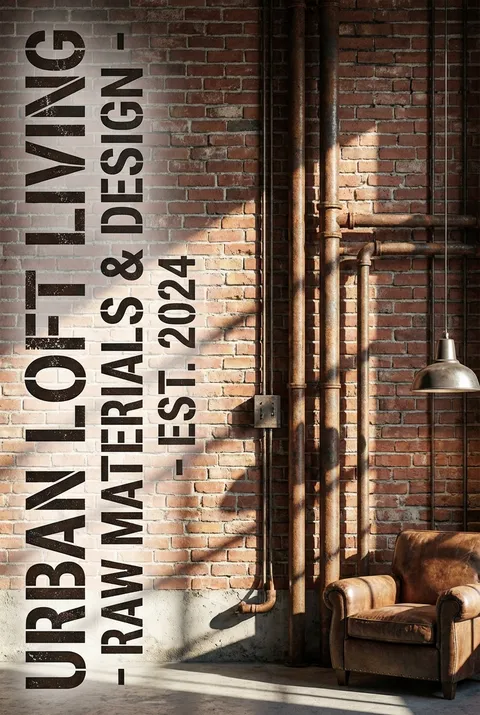
Industrial style embraces raw materials and unfinished aesthetics inspired by factories and warehouses. Key elements include exposed structural features like brick, concrete, and metal pipes, combined with a neutral color palette of grays, blacks, and rustic browns. The style favors clean geometric lines created with dark metals, Edison bulbs, and repurposed materials, avoiding ornate decorations in favor of honest material expression.
How does industrial style differ from minimalism?
While both styles embrace simplicity, industrial design celebrates the character of raw, weathered materials rather than pristine surfaces. Industrial aesthetics incorporate warm rustic elements like reclaimed wood and aged metal alongside the neutral tones, creating texture and visual interest. Minimalism typically uses clean whites and smooth surfaces, whereas industrial design uses the full spectrum of grays, blacks, and browns with visible wear and patina.
What color palettes work best for industrial-style posters?
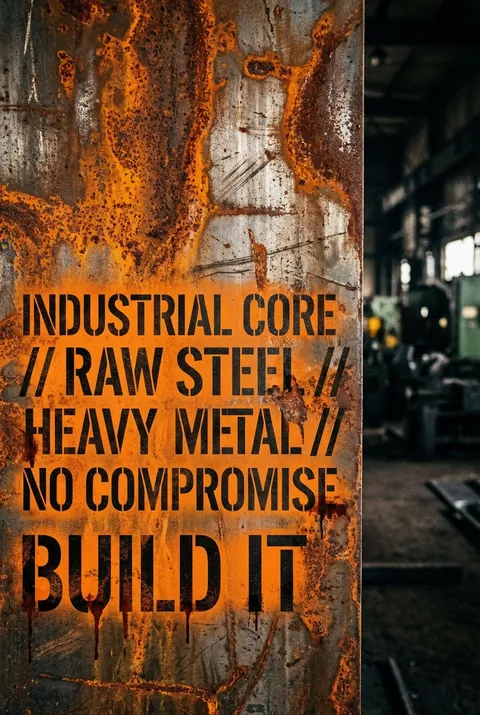
Industrial posters thrive on neutral and earthy tones including charcoal gray, matte black, rust orange, concrete gray, and warm browns from weathered wood. Metallic accents in bronze, copper, or gunmetal add authenticity. The palette avoids bright or saturated colors, instead embracing subdued, utilitarian hues that evoke factory environments and honest craftsmanship.
What subjects and themes suit industrial poster design?
Industrial style works exceptionally well for urban photography, architectural imagery, manufacturing themes, craft beverages, and masculine branding. Popular subjects include machinery, cityscapes, geometric typography, and products emphasizing authenticity and durability. The style particularly suits breweries, barbershops, automotive brands, and any business wanting to convey craftsmanship and no-nonsense quality.
Ready to design your next poster?
Create Industrial Poster