
Woodblock Print Posters
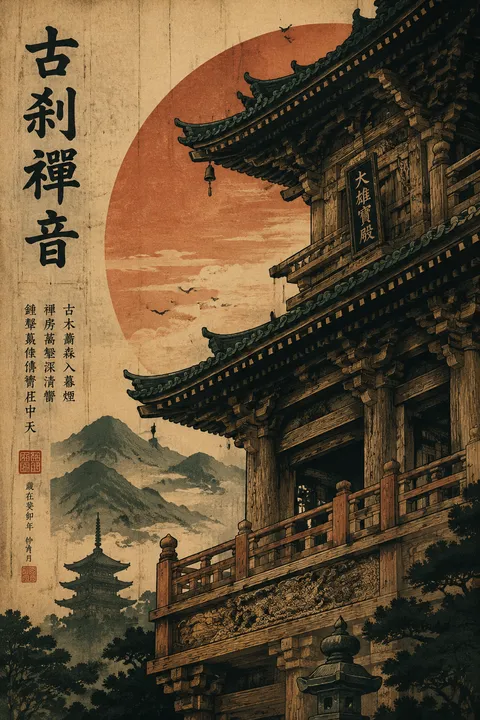
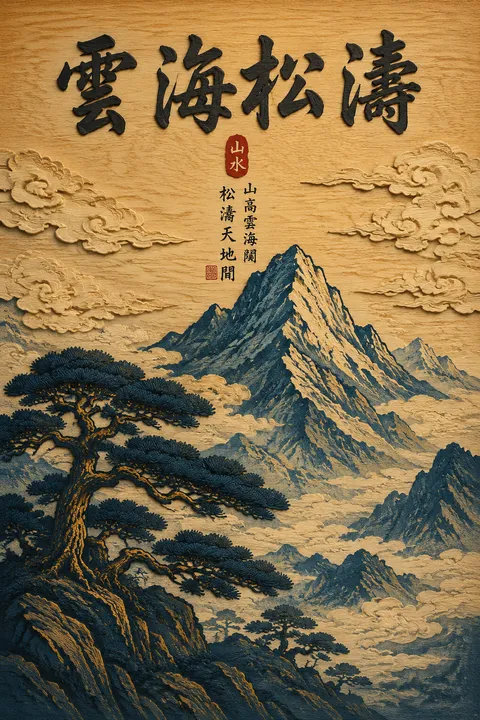
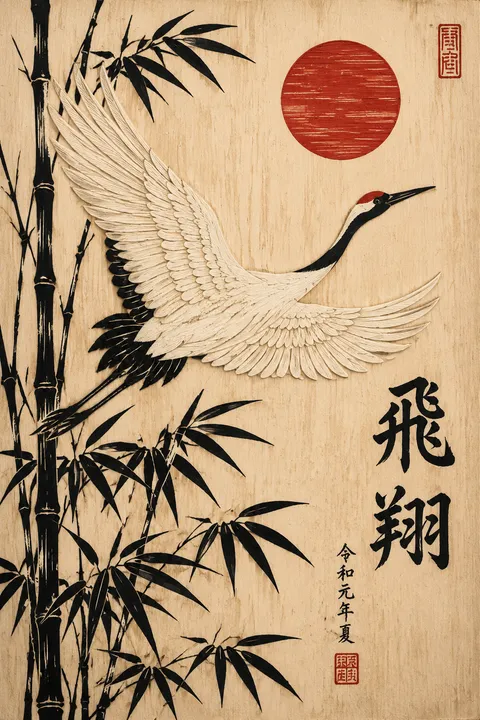
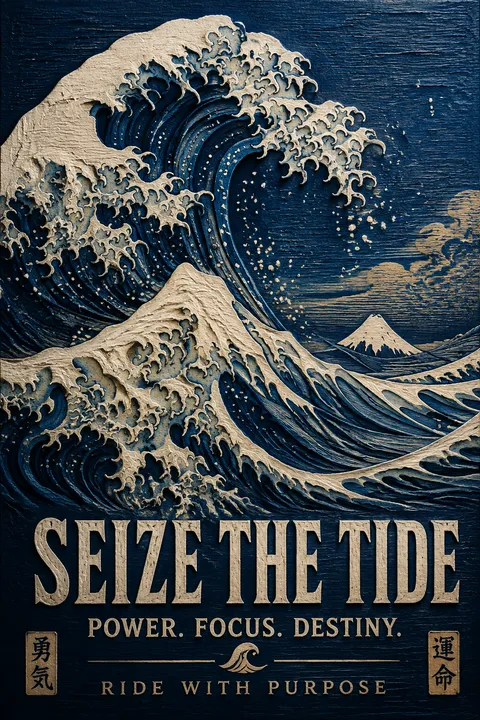
Originating in 8th-century China and later flourishing in 14th-century Europe, woodblock printing developed as an art of carving and impression, with figures such as Albrecht Dürer and German Expressionists exploring its unique possibilities. The philosophy centers on embracing the resistance of wood, valuing bold simplification, visible grain, and the expressive marks left by hand and tool as essential features of visual communication.
5 credits for new user registration. No credit card required.
Create Your Own Woodblock Print Poster
Use our AI generator to design Woodblock Print posters in seconds with full commercial rights.
Create Woodblock Print Poster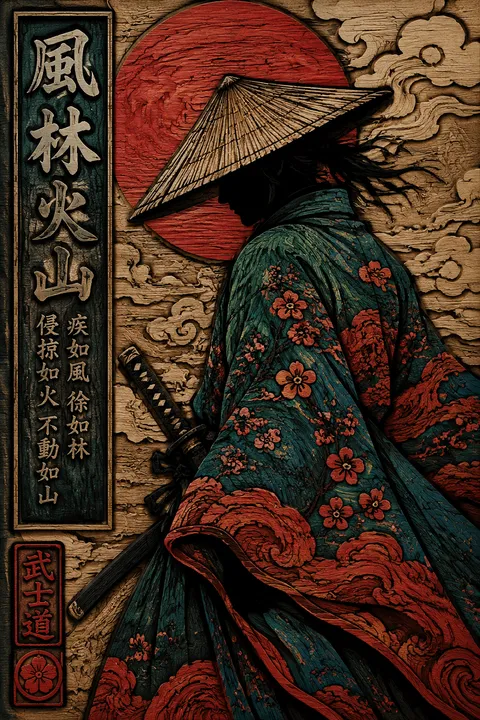
The Art of Woodblock Print?
Turn Ideas into Art in Seconds
Describe Your Vision
Simply type your idea or concept for the poster.
Select Woodblock Print Style
Our AI applies the specific Woodblock Print design rules to your concept.
Customize & Download
Fine-tune colors, add text, and export in high-resolution.
Why Designers Choose Us
The professional choice for AI-generated design
Instant Speed
Results in < 30s
CC0 License
100% Commercial Use
Fully Editable
Layer-by-layer control
High Res
Print-ready quality
About Woodblock Print Design
History of Woodblock Print
Design Philosophy
Related Keywords
Woodblock Print FAQ
Quick answers about designing Woodblock Print posters.
What is woodblock printing and how does it work?
Woodblock printing is a relief printing technique where an artist carves an image into a wooden block, cutting away the areas that should remain blank. The raised surfaces that remain are inked and pressed onto paper, creating a reversed image. Traditional blocks are often made from pear or cherry wood, chosen for their fine, even grain. Each color in a multi-color print requires a separate carved block, with complex works sometimes using dozens of blocks. The technique is one of the oldest forms of printmaking, originating in China over a thousand years ago.
What's the difference between Japanese and Western woodblock techniques?
Japanese woodblock printing (mokuhanga) uses water-based pigments applied with brushes, creating luminous, translucent colors and subtle gradations. The technique is environmentally friendly and non-toxic. Western woodcut traditions typically use oil-based inks applied with rollers, producing bolder, more opaque colors. Japanese prints are known for delicate detail and sophisticated color registration, while Western approaches often emphasize strong graphic contrast and expressive mark-making. Different wood types and carving tools also vary between traditions.
How has woodblock printing evolved in contemporary art?
Modern woodblock artists blend traditional techniques with new technologies and materials. Some use laser cutters to create intricate designs impossible to carve by hand, while computer-aided design software helps plan complex multi-block layouts. Power tools like Dremels enable faster carving. The white-line technique, developed in Provincetown around 1915, simplified color printing by carving channels into a single block. Contemporary printmakers continue finding innovative approaches while honoring the craft's meditative, hands-on tradition.
What is wood engraving and how does it differ from woodcut?
Wood engraving uses end-grain wood blocks, typically boxwood, cut across rather than along the grain. This orientation allows for extremely fine detail because the dense end-grain can hold delicate lines. Engravers use tools similar to those for metal engraving, creating images through fine incised lines rather than broad carved areas. The technique was developed by Thomas Bewick in 1768 and became popular for book illustration. Traditional woodcut uses long-grain wood where the grain texture becomes part of the print's character, and the carving produces bolder graphic effects.
Ready to design your next poster?
Create Woodblock Print Poster