
Ukiyo-e Posters
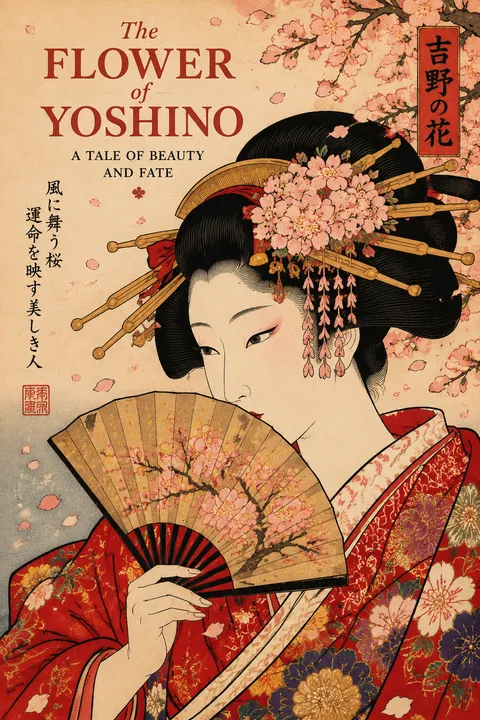
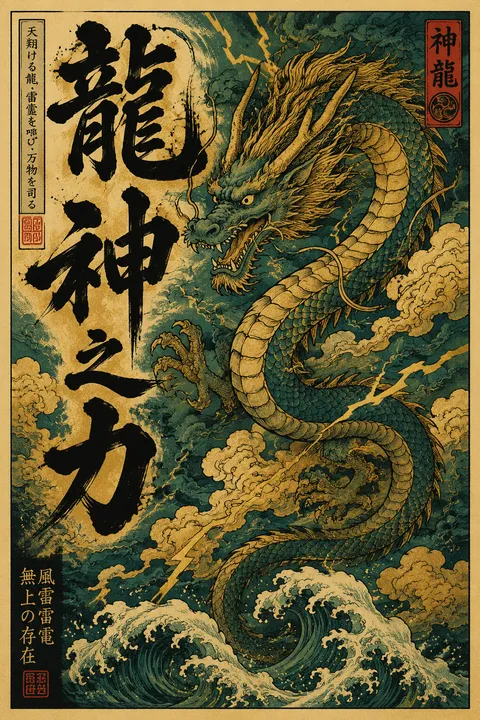
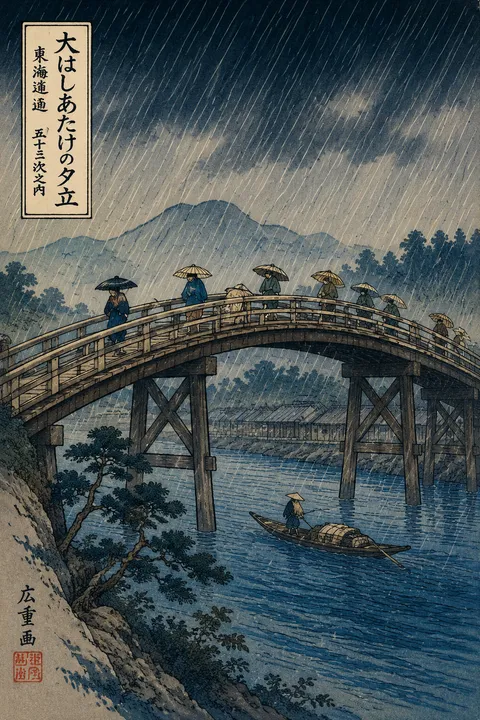
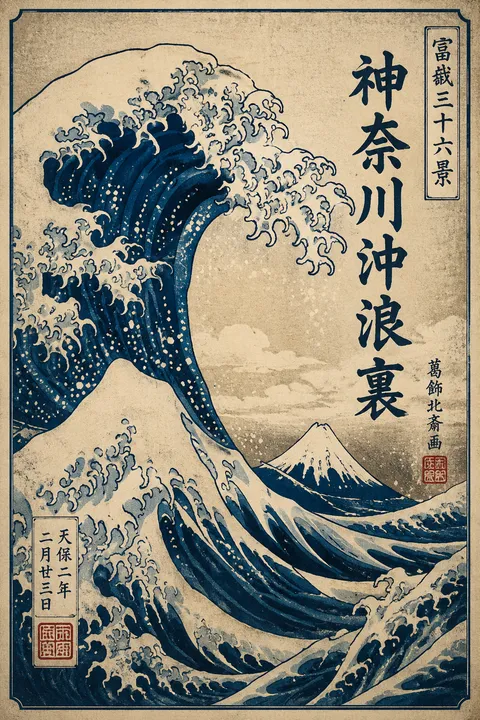
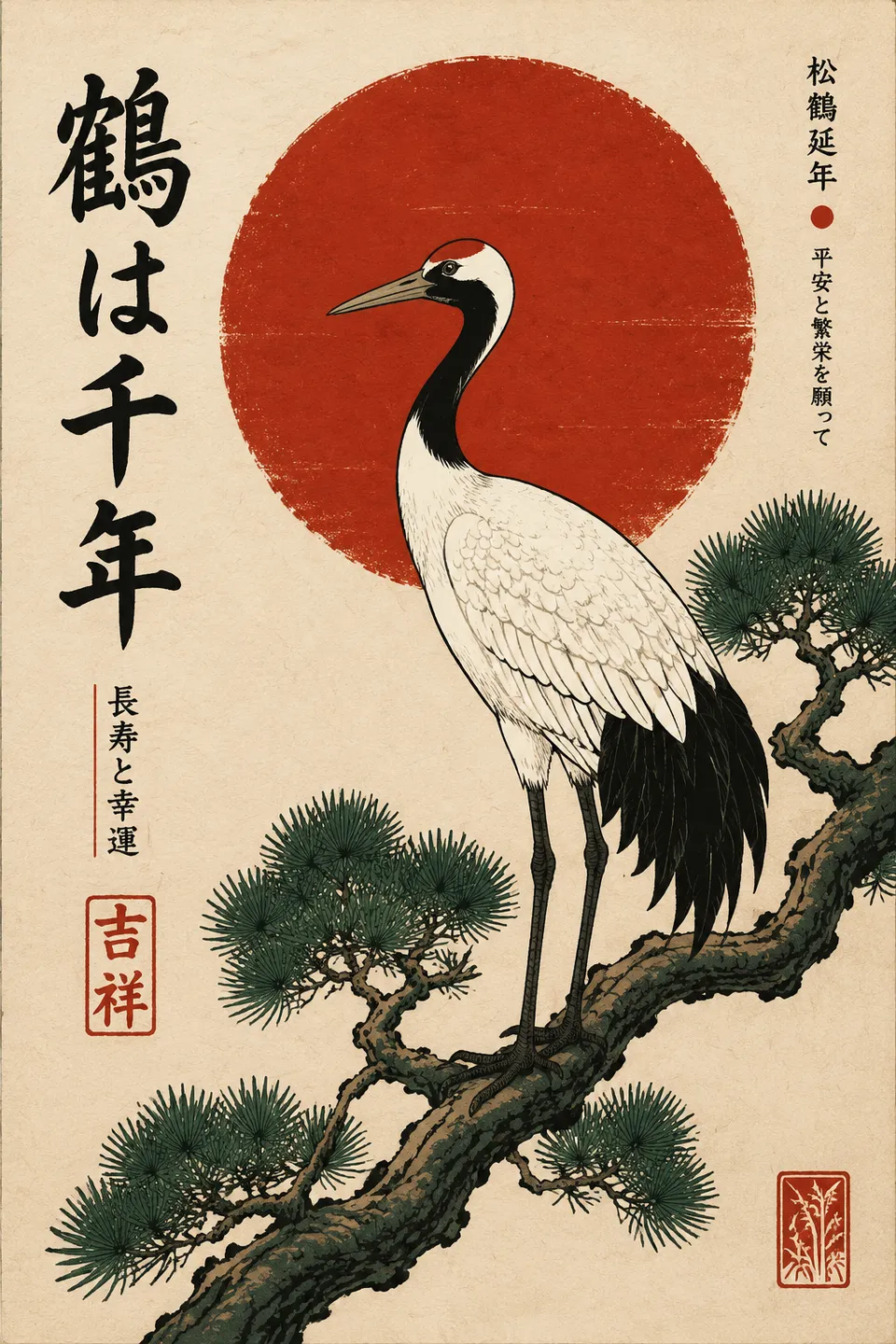
Ukiyo-e originated in 17th-century Edo as a collaborative art form capturing the vibrant life of Japan’s urban culture, with masters like Hokusai and Utamaro shaping its legacy. Its philosophy centers on the expressive power of bold linework, emphasizing clarity and emotion through flat color, asymmetric composition, and subjects drawn from both tradition and the everyday, reflecting a continuous balance between heritage and innovation.
5 credits for new user registration. No credit card required.
Create Your Own Ukiyo-e Poster
Use our AI generator to design Ukiyo-e posters in seconds with full commercial rights.
Create Ukiyo-e Poster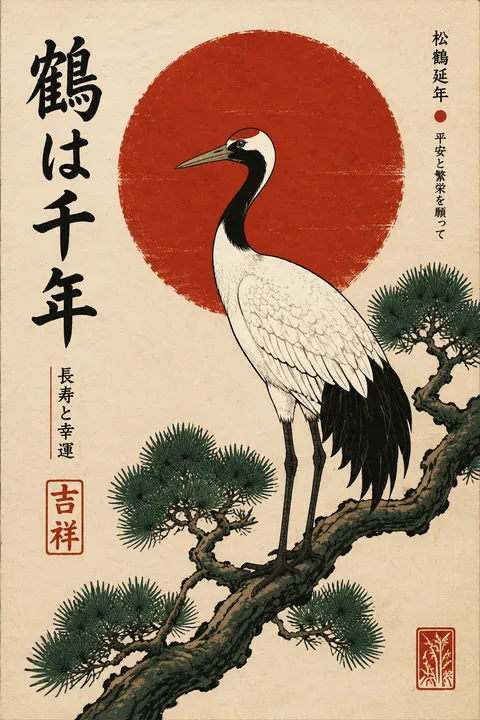
The Art of Ukiyo-e?
Turn Ideas into Art in Seconds
Describe Your Vision
Simply type your idea or concept for the poster.
Select Ukiyo-e Style
Our AI applies the specific Ukiyo-e design rules to your concept.
Customize & Download
Fine-tune colors, add text, and export in high-resolution.
Why Designers Choose Us
The professional choice for AI-generated design
Instant Speed
Results in < 30s
CC0 License
100% Commercial Use
Fully Editable
Layer-by-layer control
High Res
Print-ready quality
About Ukiyo-e Design
History of Ukiyo-e
Design Philosophy
Related Keywords
Ukiyo-e FAQ
Quick answers about designing Ukiyo-e posters.
What is ukiyo-e and what does the term mean?
Ukiyo-e is a traditional Japanese art form that flourished from the 17th through 19th centuries, primarily using woodblock printing techniques. The term translates to 'pictures of the floating world' and originally reflected Buddhist ideas about life's transitory nature. During the Edo period, this meaning evolved to embrace a more hedonistic appreciation of life's pleasures, including entertainment districts, kabuki theater, and the beauty of everyday experiences.
What subjects are typically depicted in ukiyo-e prints?
Ukiyo-e prints showcase a rich variety of subjects from Edo-period Japanese life. Common themes include beautiful women (bijin-ga), kabuki actors and sumo wrestlers, historical and folk tale scenes, landscapes and travel views, flora and fauna studies, and erotica (shunga). Famous landscape series like Hokusai's Great Wave and Hiroshige's Fifty-three Stations of the Tokaido represent the genre's later evolution beyond purely urban subjects.
How were traditional ukiyo-e prints created?
Traditional ukiyo-e production involved four specialists working together: the publisher who oversaw the project, the artist who created the design, the block cutter who carved the image into cherry wood blocks, and the printer who applied the inks. Each color in a polychrome print required a separate carved block, with some elaborate works using up to twenty blocks. The artist's original drawing was pasted onto the wood and carved through to create the key block, from which additional color blocks were made.
How did ukiyo-e influence Western art movements?
When Japan opened to Western trade in the mid-19th century, ukiyo-e prints captivated European and American artists, sparking a phenomenon called Japonism. The style's bold outlines, flat color areas, asymmetrical compositions, and unusual perspectives profoundly influenced Impressionism, Post-Impressionism, Art Nouveau, and early Modernism. Artists like Van Gogh, Monet, and Toulouse-Lautrec collected these prints and incorporated their aesthetic principles into their own revolutionary work.
Ready to design your next poster?
Create Ukiyo-e Poster