
Surrealist Posters
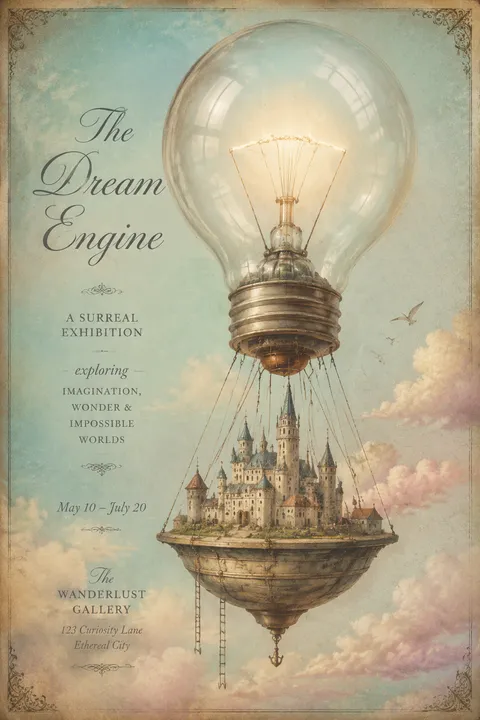
Surrealism took shape in Paris in 1924, as André Breton and fellow artists sought to unlock the unconscious mind through spontaneous creation and dream imagery. Guided by the belief that rational thought limits true expression, Surrealist design employs unexpected juxtapositions and impossible scenarios to reveal hidden truths. Visual compositions become puzzles—provoking curiosity and psychological depth beyond straightforward interpretation.
5 credits for new user registration. No credit card required.
Create Your Own Surrealist Poster
Use our AI generator to design Surrealist posters in seconds with full commercial rights.
Create Surrealist Poster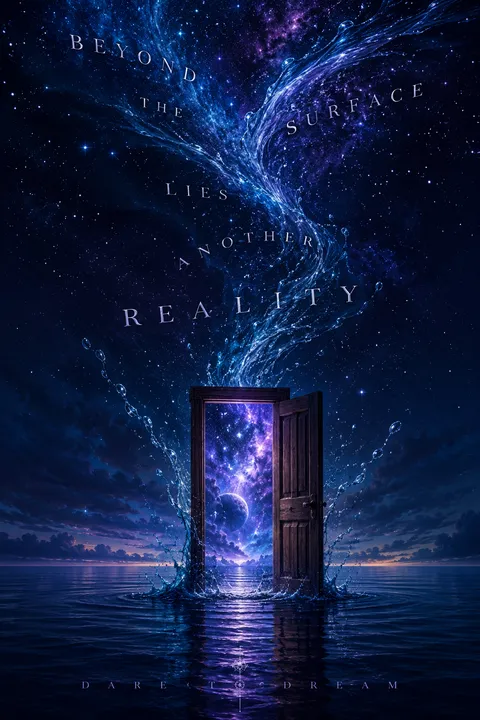
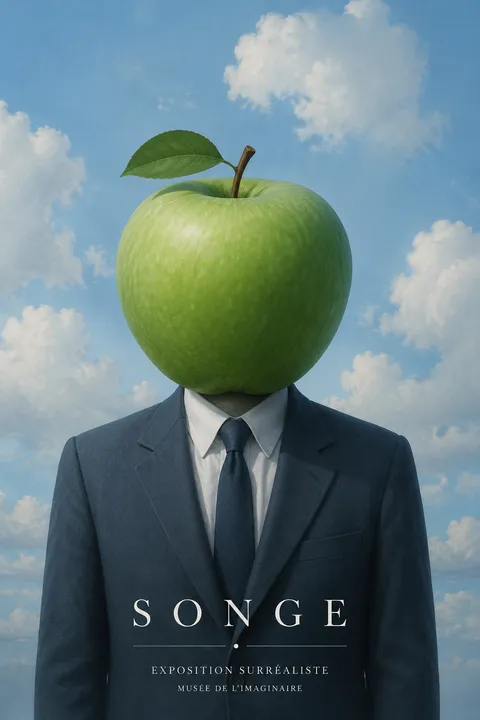
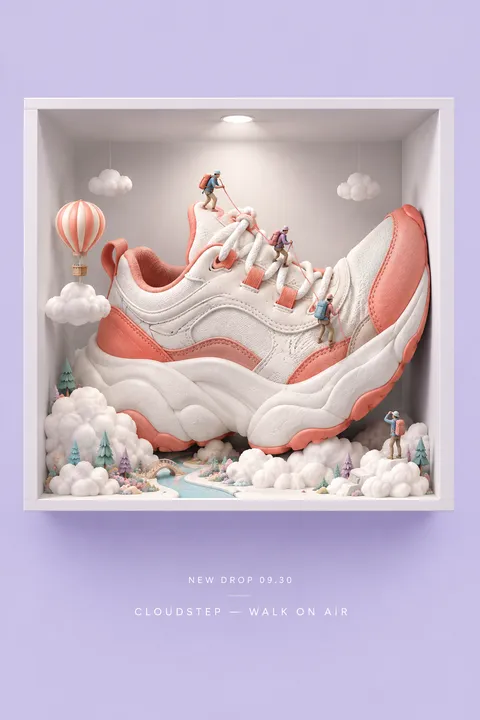
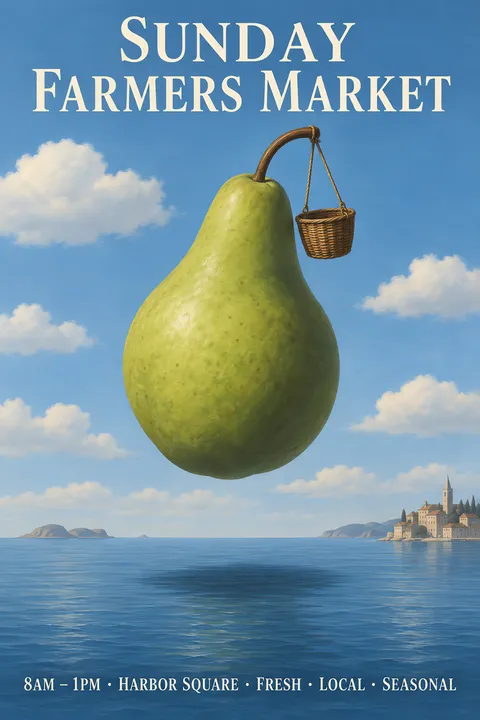
The Art of Surrealist?
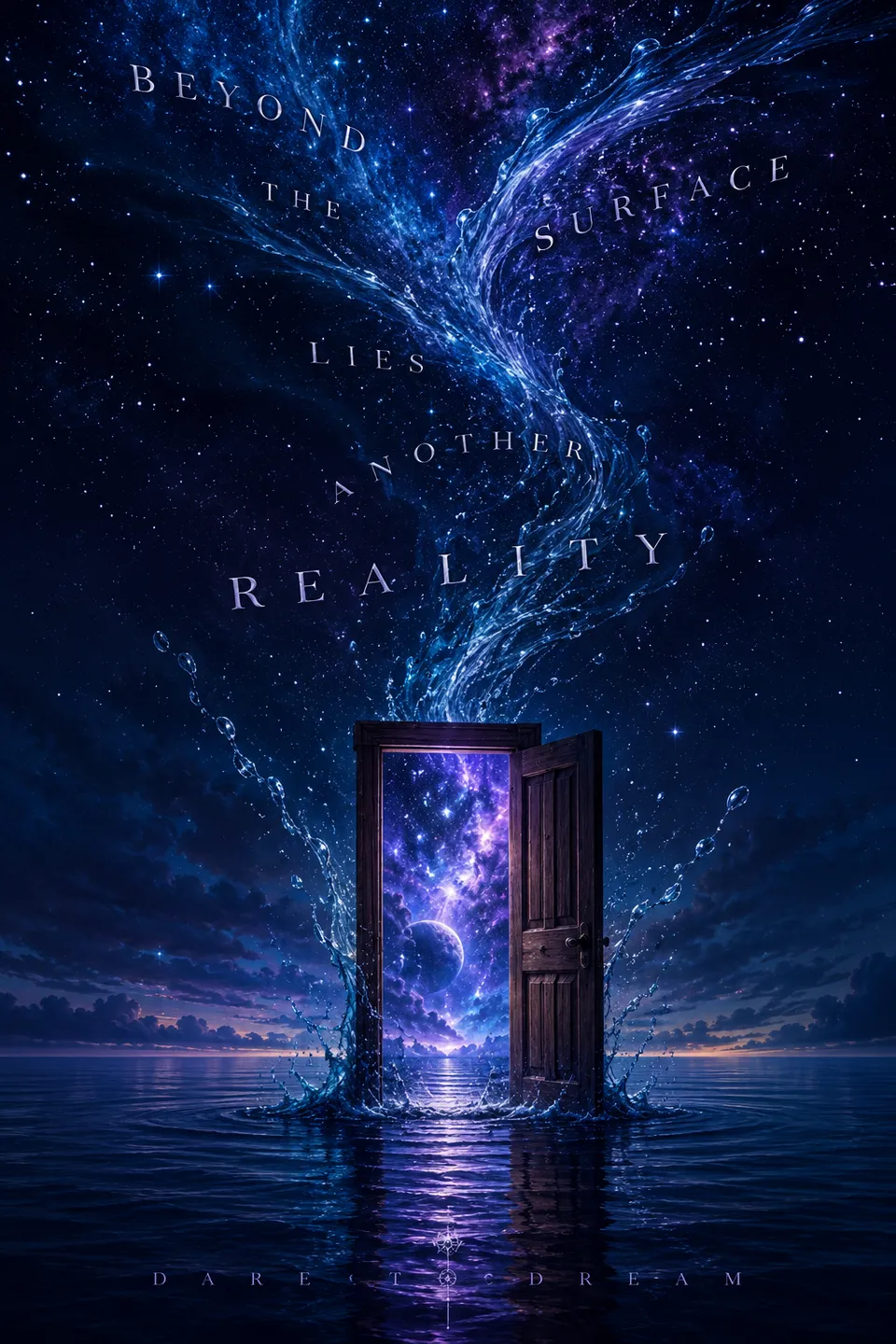
Turn Ideas into Art in Seconds
Describe Your Vision
Simply type your idea or concept for the poster.
Select Surrealist Style
Our AI applies the specific Surrealist design rules to your concept.
Customize & Download
Fine-tune colors, add text, and export in high-resolution.
Why Designers Choose Us
The professional choice for AI-generated design
Instant Speed
Results in < 30s
CC0 License
100% Commercial Use
Fully Editable
Layer-by-layer control
High Res
Print-ready quality
About Surrealist Design
History of Surrealist
Design Philosophy
Related Keywords
Surrealist FAQ
Quick answers about designing Surrealist posters.
What are the core principles of surrealist art?
Surrealism aims to unite conscious and unconscious realms, creating an 'absolute reality' where dreams and everyday life merge. Founded by André Breton in 1924, the movement drew from Sigmund Freud's psychoanalytic theories about dreams and hidden desires. Surrealist works feature unexpected juxtapositions, non-sequiturs, and imagery designed to jolt viewers from comfortable assumptions and reveal hidden truths.
What are the two main approaches in surrealist painting?
Veristic surrealism, practiced by Salvador Dalí and René Magritte, uses photographic precision to render recognizable objects in impossible contexts—creating unsettling scenes through technical mastery. Automatist surrealism, used by Joan Miró and André Masson, emphasizes spontaneous creation and abstract forms through unconscious expression, producing flowing organic compositions that reject conscious artistic control entirely.
How do Dalí and Magritte represent different surrealist approaches?
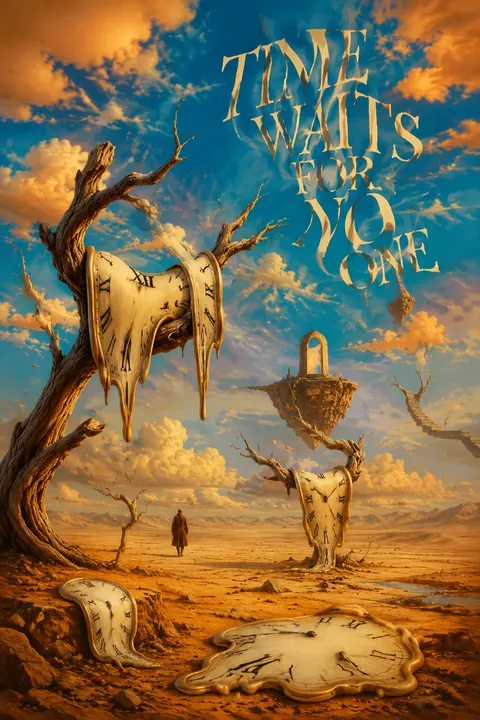
Dalí created psychological dreamscapes filled with symbolic imagery like melting clocks, representing time's fluidity and existence's irrational nature. His work explored the unconscious through striking, often bizarre combinations. Magritte crafted intellectual visual puzzles, using ordinary objects in extraordinary contexts to challenge perception and reality. Both questioned how we understand the world, but through emotional versus conceptual lenses.
What visual elements define surrealist imagery?
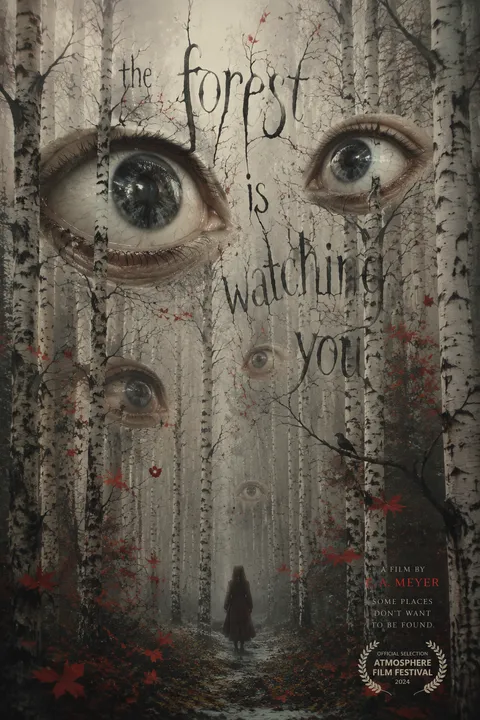
Surrealist imagery features distorted objects, impossible spatial relationships, and uncanny combinations that feel dreamlike or unsettling. Common elements include metamorphosis (objects transforming into others), displacement (familiar things in strange settings), and scale manipulation. The style often portrays recognizable subjects—bodies, landscapes, everyday objects—altered just enough to create psychological tension and invite interpretation.
Ready to design your next poster?
Create Surrealist Poster