
Stencil Posters
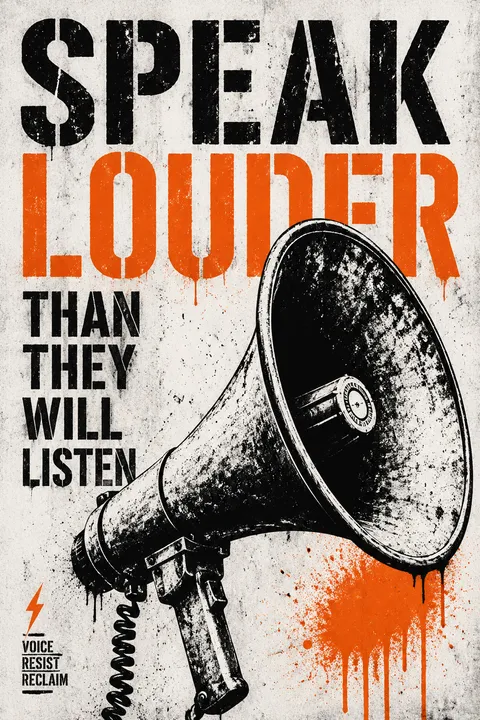
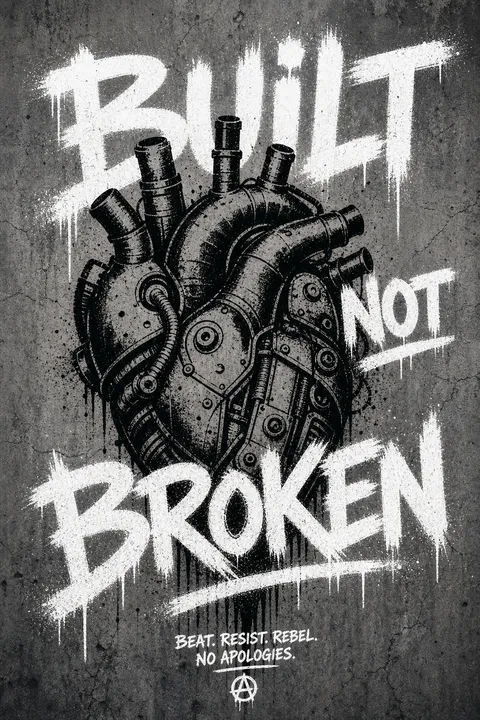
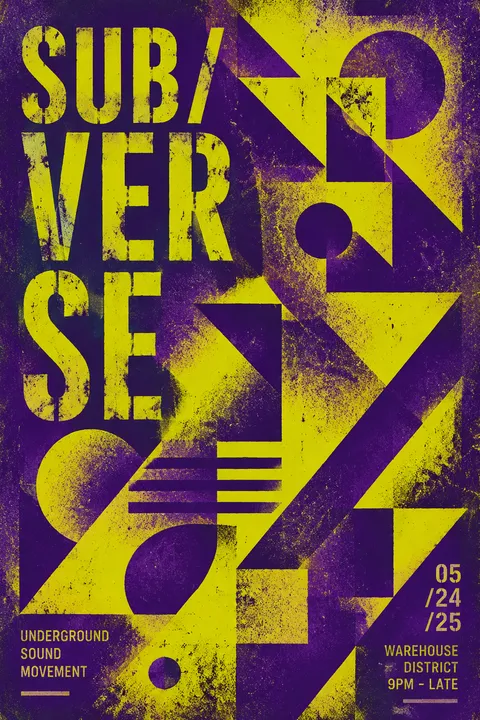
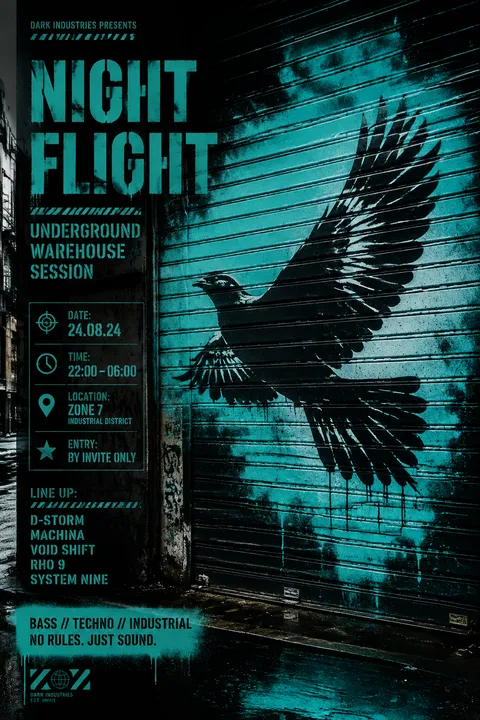
Developing from ancient cave markings to industrial labeling, stencil art found new life in the streets of 1980s Paris and 1990s Bristol through pioneers like Blek le Rat and Banksy. Its guiding principle centers on immediacy and repetition—designs are crafted for rapid, widespread impact, prioritizing hard-edged silhouettes and bold simplicity that channel the rebellious urgency of unsanctioned urban expression.
5 credits for new user registration. No credit card required.
Create Your Own Stencil Poster
Use our AI generator to design Stencil posters in seconds with full commercial rights.
Create Stencil Poster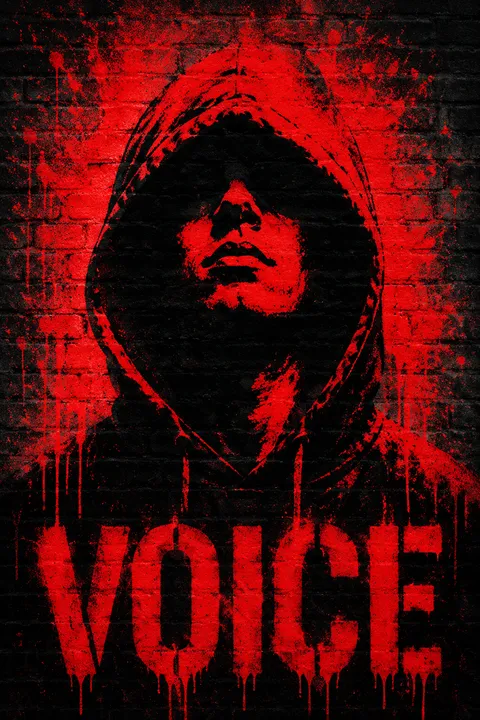
Turn Ideas into Art in Seconds
Describe Your Vision
Simply type your idea or concept for the poster.
Select Stencil Style
Our AI applies the specific Stencil design rules to your concept.
Customize & Download
Fine-tune colors, add text, and export in high-resolution.
Why Designers Choose Us
The professional choice for AI-generated design
Instant Speed
Results in < 30s
CC0 License
100% Commercial Use
Fully Editable
Layer-by-layer control
High Res
Print-ready quality
About Stencil Design
History of Stencil
Design Philosophy
Related Keywords
Stencil FAQ
Quick answers about designing Stencil posters.
What defines stencil art as a technique?
Stencil art involves cutting a design from materials like cardboard, paper, or plastic, then transferring the image to surfaces using spray paint or rollers. This creates crisp, reproducible graphics that can be applied quickly—a key advantage for street artists who need to work fast. The same stencil can produce identical images repeatedly, allowing artists to spread their work across multiple locations efficiently.
Why is stencil art effective for communication?
Stencil art's simplified, high-contrast designs make it immediately readable to broad audiences, unlike complex graffiti lettering that requires insider knowledge to interpret. This clarity makes stencils powerful for political messaging and social commentary. The technique has historical ties to 20th-century protest art and propaganda, allowing artists like Banksy and Blek le Rat to communicate with the general public effectively.
What advanced techniques do stencil artists use?
Multi-layer stencils stack separate cutouts to add colors and create depth effects. The halftone technique, pioneered by artists Sten & Lex, uses thousands of thin lines to create detailed portraits with a distinctive graphic quality. Some artists incorporate site-specific elements, placing stencils in locations where surrounding architecture or objects interact with the artwork to complete the intended message.
How did stencil art evolve in street art culture?
While stenciling dates back 35,000 years to prehistoric hand prints, modern stencil graffiti emerged in the 1960s. Blek le Rat, often called the 'Father of stencil art,' was inspired by stenciled political images in post-war Italy. Banksy later brought the technique to mainstream recognition. Today, stencil art ranges from simple tags to complex photorealistic portraits, valued for combining speed, precision, and reproducibility.
Ready to design your next poster?
Create Stencil Poster