Share your posters on social media and earn free credits!

Learn More
/
50,000 Posters Generated Today

Stained Glass Posters

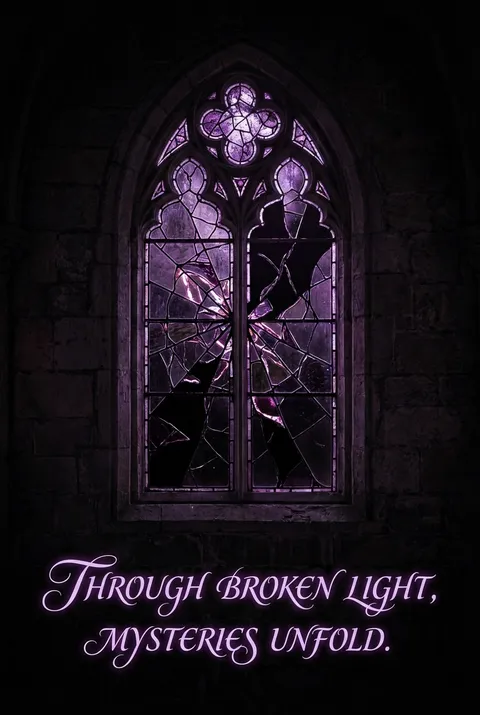
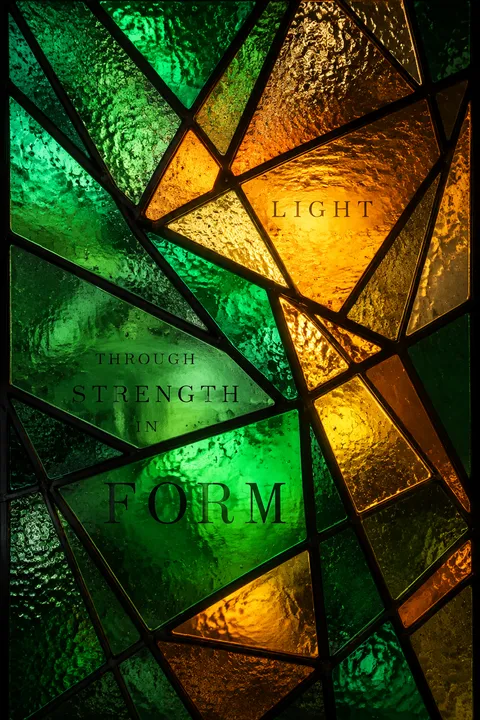
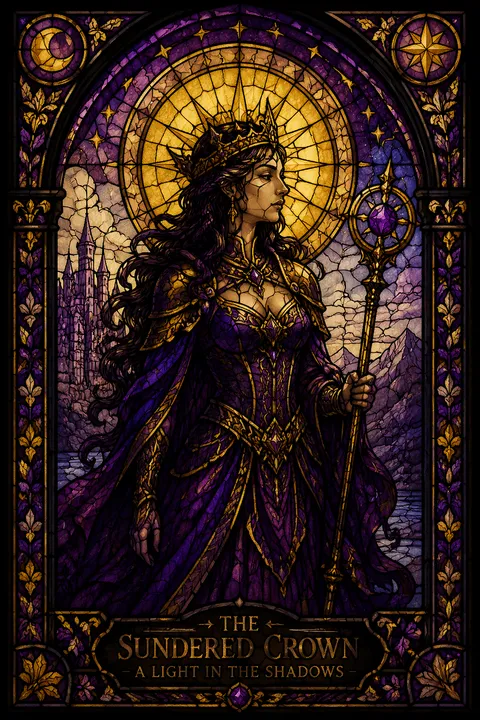
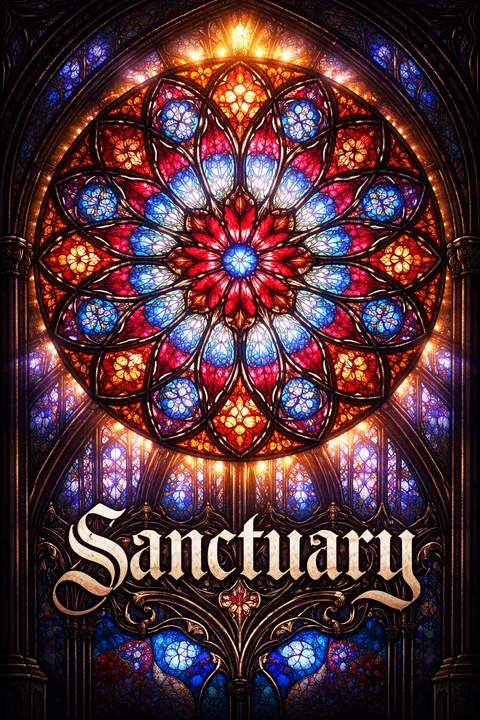
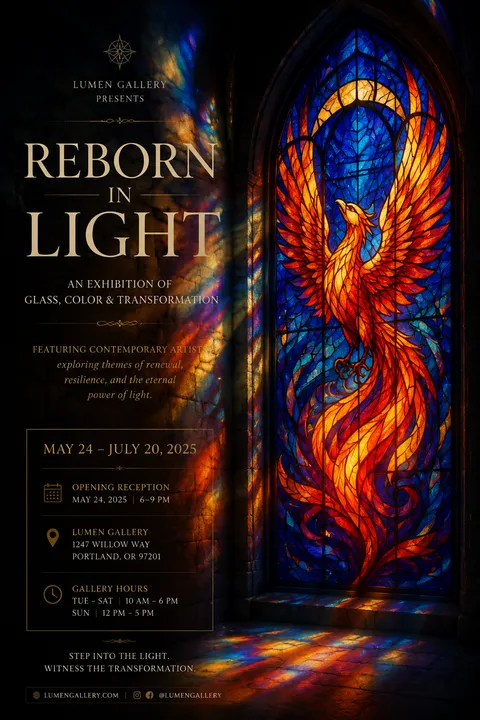
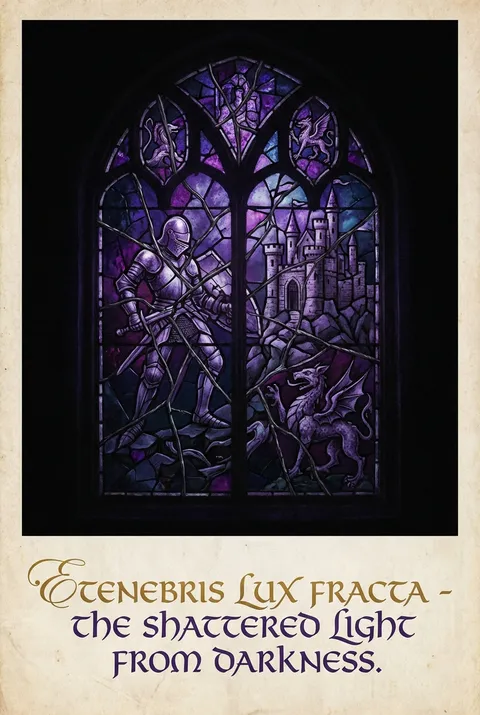
Stained glass first illuminated medieval European cathedrals, weaving sacred stories into colored light through painstaking arrangements of glass and lead. Its design philosophy centers on the transformative power of luminosity—prioritizing radiant color, bold segmentation, and compositions that appear to glow from within. This approach treats visual experience as transcendent, inviting viewers into a world shaped by light, narrative, and centuries of artistic devotion.

5 credits for new user registration. No credit card required.

High ResolutionCommercial License

Create Your Own Stained Glass Poster

Use our AI generator to design Stained Glass posters in seconds with full commercial rights.

Create Stained Glass Poster
Featured Stained Glass Posters

Style Guide

The Art of Stained Glass?

Stained glass first illuminated medieval European cathedrals, weaving sacred stories into colored light through painstaking arrangements of glass and lead. Its design philosophy centers on the transformative power of luminosity—prioritizing radiant color, bold segmentation, and compositions that appear to glow from within. This approach treats visual experience as transcendent, inviting viewers into a world shaped by light, narrative, and centuries of artistic devotion.
Stained Glass representative poster

Watch: Creating a Poster in 30s

Turn Ideas into Art in Seconds

1

Describe Your Vision

Simply type your idea or concept for the poster.

2

Select Stained Glass Style

Our AI applies the specific Stained Glass design rules to your concept.

3

Customize & Download

Fine-tune colors, add text, and export in high-resolution.

Why Designers Choose Us

The professional choice for AI-generated design

Instant Speed

Results in < 30s

CC0 License

100% Commercial Use

Fully Editable

Layer-by-layer control

High Res

Print-ready quality

Stained Glass Design Guide

About Stained Glass Design

Stained glass first illuminated medieval European cathedrals, weaving sacred stories into colored light through painstaking arrangements of glass and lead. Its design philosophy centers on the transformative power of luminosity—prioritizing radiant color, bold segmentation, and compositions that appear to glow from within. This approach treats visual experience as transcendent, inviting viewers into a world shaped by light, narrative, and centuries of artistic devotion.

History of Stained Glass

Stained glass windows emerged in medieval European churches as both architectural element and theological teaching tool. The great Gothic cathedrals—Chartres, Notre-Dame de Paris, Sainte-Chapelle—contained extensive stained glass programs depicting biblical narratives and saints' lives. The technique involved setting colored glass pieces within lead came (strips), creating luminous images visible by transmitted light. The craft evolved through subsequent eras: Renaissance artists introduced more naturalistic representation; the Arts and Crafts movement revived medieval techniques; and Art Nouveau artists like Louis Comfort Tiffany developed new methods and applications. Tiffany's lamps and windows brought stained glass into domestic contexts, while contemporary artists like Judith Schaechter push the medium toward fine art expression. Stained glass aesthetics in graphic design reference this rich tradition, translating the medium's distinctive characteristics—bold black outlines, saturated colors, light transmission—into two-dimensional applications. The style appears in religious contexts, fantasy and medieval-themed design, and work seeking to evoke the sacred luminosity of cathedral windows.

Design Philosophy

Stained glass poster design transforms light into narrative. The philosophy values the medium's particular capability—creating images that glow rather than reflect, that require light passage rather than surface illumination. Even in simulation, stained glass aesthetics suggest luminous depth impossible for opaque media. Core visual elements include bold black outlines suggesting lead came, jewel-tone saturated colors, segmented compositions of discrete color areas, and overall impression of light transmitting through colored glass. The emotional register is sacred, luminous, and historically resonant—stained glass design evokes centuries of spiritual architecture, proposing that certain visual experiences carry inherently transcendent associations.

Stained Glass FAQ

Quick answers about designing Stained Glass posters.

What makes stained glass art distinctive?

Stained glass art is characterized by bold black lead lines, vibrant translucent colors, and the interplay between light and colored glass. Glass pieces are colored with metallic oxides during manufacturing—copper creates ruby red, cobalt makes blue, and manganese produces purple. The lead strips (called cames) that hold the glass together become an important design element themselves.

How does light affect stained glass artwork?

Light is essential to experiencing stained glass—it transforms static colored panels into living art. Natural daylight creates an ever-changing display throughout the day, with colors appearing differently based on light intensity, atmospheric conditions, and sun angle. This luminous quality is why stained glass was historically placed in cathedral windows where it could capture maximum sunlight.

What are the main historical styles of stained glass?

Medieval and Gothic stained glass features flat treatment, delicate painting, and elaborate architectural framing with decorative borders. Art Nouveau brought sinuous organic lines and naturalistic plant motifs. Modern stained glass incorporates abstract patterns and contemporary themes while using traditional techniques like silver staining, which creates yellow tones ranging from pale lemon to deep orange.

What glass types create different effects in stained glass?

Opalescent glass has a milky, luminescent appearance with multiple blended tones, often used in lampshades. Cathedral glass is transparent with even color distribution. Textured glasses include ripple, hammered, and granite patterns that add visual interest. Additional techniques like etching, sandblasting, and wheel-cutting can create varied surface textures and depths within the artwork.

Ready to design your next poster?

Create Stained Glass Poster
Stained Glass Style Posters - AI Generator | Poster