
Screen Print Posters
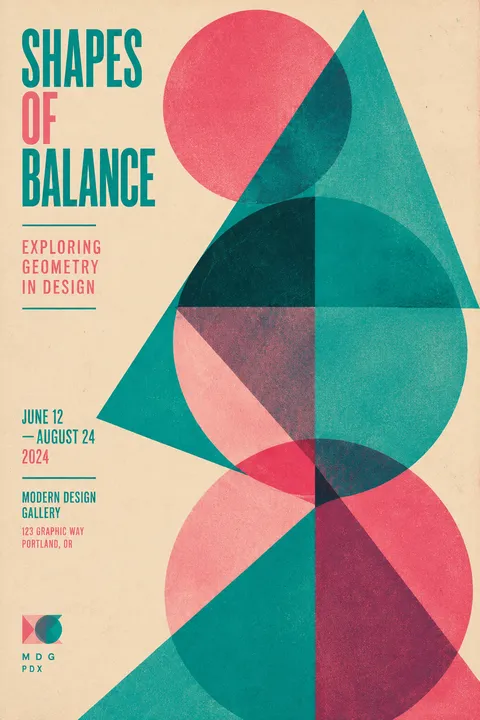
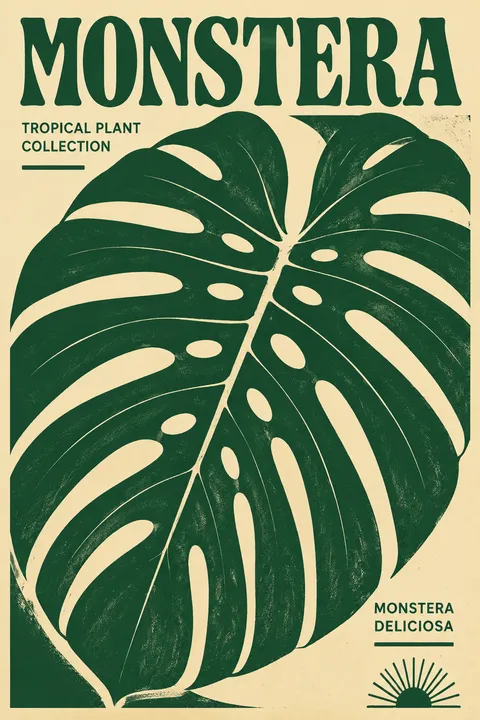
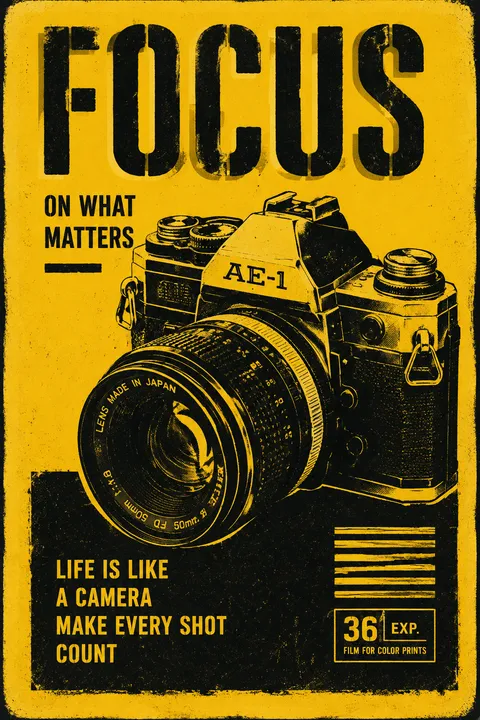
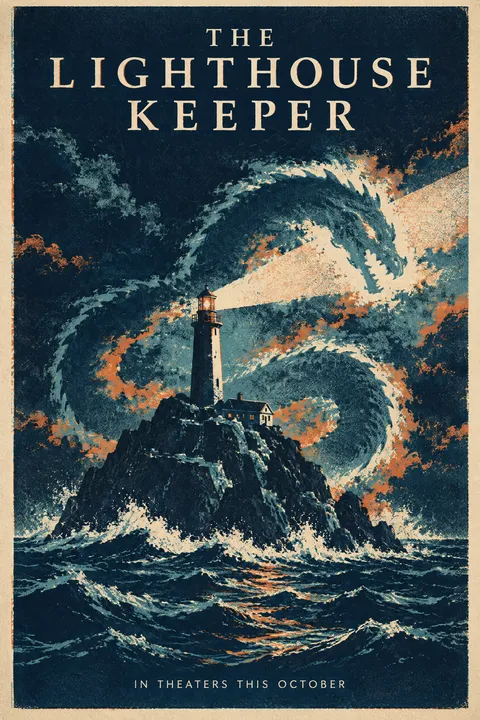
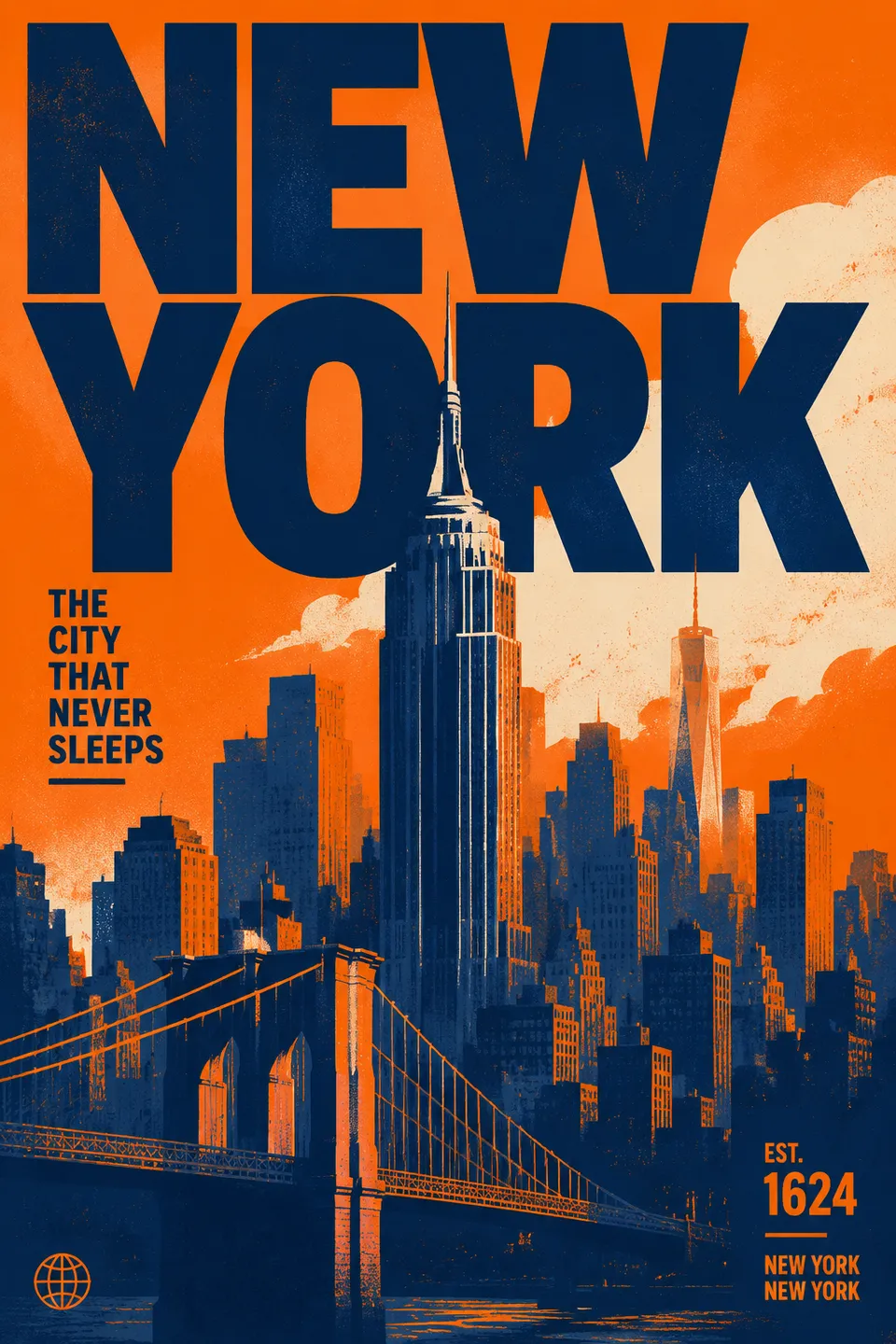
Screen printing took shape as a commercial process in the early 20th century, evolving from ancient stencil traditions and later gaining fine art prominence through figures like Andy Warhol. Its design philosophy centers on the discipline of flat, separated color layers, embracing the tactile qualities and graphic clarity produced by direct ink application. Each composition values the power of reduction, celebrating boldness, texture, and the authenticity of the hand-pulled print.
5 credits for new user registration. No credit card required.
Create Your Own Screen Print Poster
Use our AI generator to design Screen Print posters in seconds with full commercial rights.
Create Screen Print Poster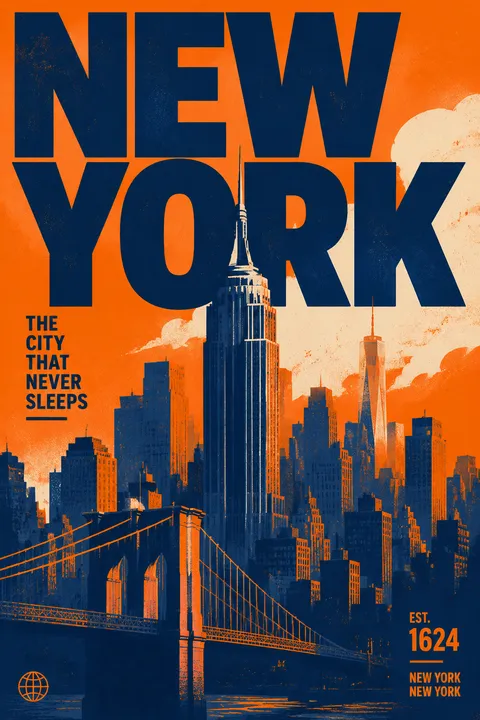
The Art of Screen Print?
Turn Ideas into Art in Seconds
Describe Your Vision
Simply type your idea or concept for the poster.
Select Screen Print Style
Our AI applies the specific Screen Print design rules to your concept.
Customize & Download
Fine-tune colors, add text, and export in high-resolution.
Why Designers Choose Us
The professional choice for AI-generated design
Instant Speed
Results in < 30s
CC0 License
100% Commercial Use
Fully Editable
Layer-by-layer control
High Res
Print-ready quality
About Screen Print Design
History of Screen Print
Design Philosophy
Related Keywords
Screen Print FAQ
Quick answers about designing Screen Print posters.
What is screen printing (serigraphy) and how does it work?
Screen printing transfers ink through a mesh screen onto surfaces, with stencils blocking areas that should remain unprinted. Silk gauze is stretched across a frame, desired white areas are blocked, and pigment paste is scraped across the textile to transfer through the weave. Each color requires a separate screen, making multi-color prints labor-intensive with careful registration for proper alignment. The process can take weeks or months for complex pieces with many colors.
What visual characteristics distinguish screen-printed artwork?
Screen prints feature flat color areas with visible ridges where colors overlap. Bold, vibrant hues, sharp lines, and intricate designs are hallmarks of the technique. The screen mesh pattern may be subtly visible, adding texture. Colors appear solid and opaque rather than graduated. Effects range from simple flat colors to richly textured surfaces depending on technique. Limited color palettes and the artist's signature typically identify authentic serigraphs.
How did Andy Warhol and Pop Art influence screen printing?
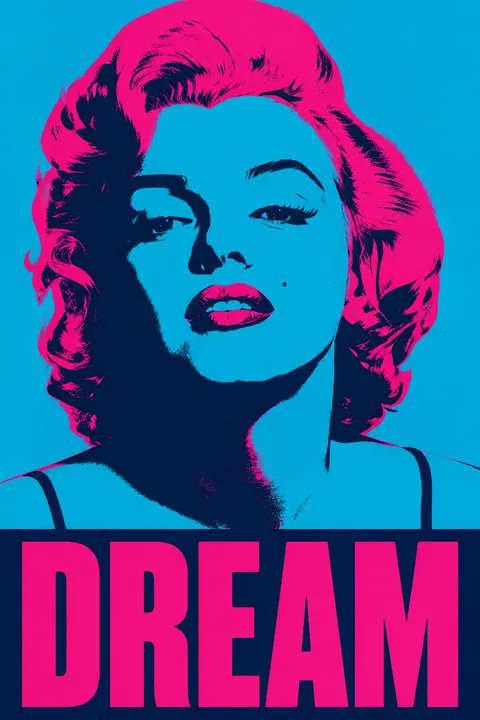
Andy Warhol popularized screen printing as fine art in the 1960s, making it a cornerstone of Pop Art. His silk screens, including the famous Marilyn Diptych, demonstrated how vibrant colors and image repetition could create powerful artistic statements. Warhol highlighted both the creative potential and commercial connections of the medium. Other major artists including Josef Albers, Jasper Johns, Roy Lichtenstein, and Robert Rauschenberg explored serigraphy's possibilities for flat color areas and collage techniques.
Why has screen printing remained popular with artists and independent creators?
Screen printing endures because it requires minimal equipment and materials compared to other printmaking methods. The process is forgiving, easy to master, and highly adaptable. Its affordability makes it accessible for underground settings, subcultures, and DIY creators producing album covers, posters, flyers, and shirts. The non-professional, authentic look of handmade screen prints has become a significant cultural aesthetic representing independence from commercial production.
Ready to design your next poster?
Create Screen Print Poster