
Risograph Posters
Introduced in 1980s Japan by the Riso Kagaku Corporation as an affordable, high-speed alternative to offset printing, Risograph technology gained new life among artists and small publishers decades later. Its philosophy embraces the machine’s natural imperfections—grain, limited color layers, and misregistration—treating mechanical constraints as catalysts for creativity and valuing the authenticity of hands-on, independent production over polished, commercial perfection.
5 credits for new user registration. No credit card required.
Create Your Own Risograph Poster
Use our AI generator to design Risograph posters in seconds with full commercial rights.
Create Risograph Poster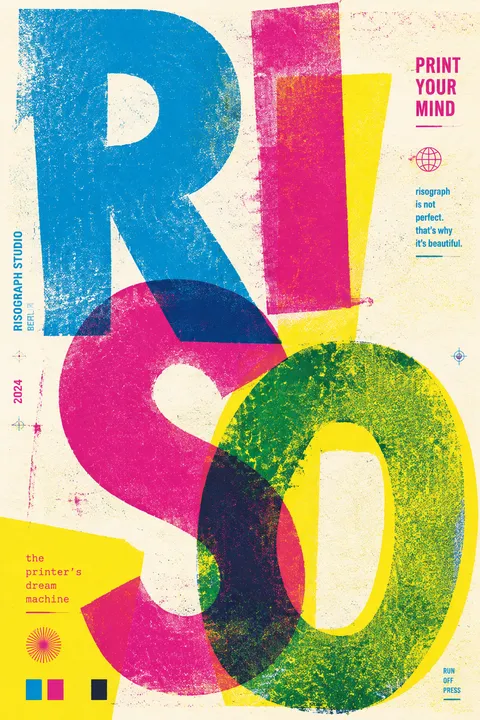
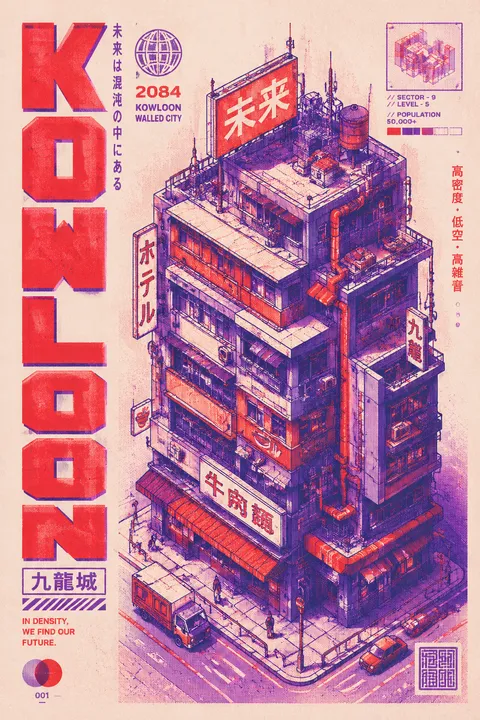
The Art of Risograph?
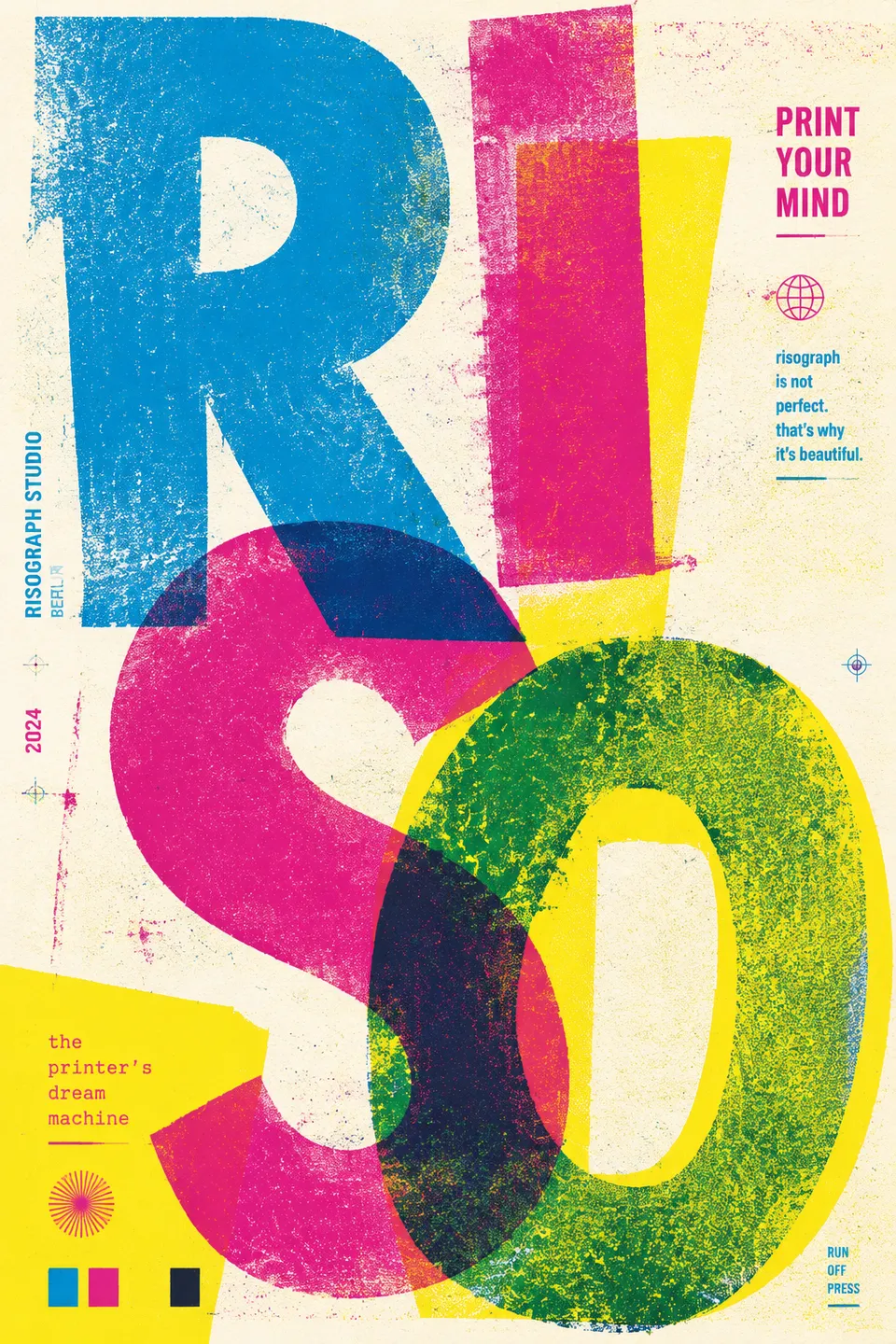
Turn Ideas into Art in Seconds
Describe Your Vision
Simply type your idea or concept for the poster.
Select Risograph Style
Our AI applies the specific Risograph design rules to your concept.
Customize & Download
Fine-tune colors, add text, and export in high-resolution.
Why Designers Choose Us
The professional choice for AI-generated design
Instant Speed
Results in < 30s
CC0 License
100% Commercial Use
Fully Editable
Layer-by-layer control
High Res
Print-ready quality
About Risograph Design
History of Risograph
Design Philosophy
Related Keywords
Risograph FAQ
Quick answers about designing Risograph posters.
What is risograph printing and what makes it unique?
Risograph printing combines elements of screen printing and photocopying, invented by Japan's Riso Kagaku Corporation in 1986. The machine works like a photocopier but prints like a screen printer, using rich spot colors and stencils. Each color requires a separate pass through the machine, with prints built up layer by layer. The result is artwork with an unmistakable handcrafted quality—slightly imperfect but memorable and visually distinctive.
What visual characteristics define the risograph aesthetic?
Risograph art features bold, vibrant colors from a limited palette dominated by neon pinks, electric blues, and vivid yellows. The printing process creates grainy textures and slightly pixelated effects because the stencils aren't as finely detailed as traditional methods. Colors can overlap to create secondary hues, and there's intentional roughness where not all toner fuses with paper. This imperfection and lack of polish has become an endearing signature of the style.
Why do artists and designers choose risograph printing?
Artists embrace risograph for its unique ability to combine vintage-inspired aesthetics with modern vibrancy. The process is eco-friendly, using soy-based inks and plant fiber stencils with minimal energy consumption. It's popular for zines, art prints, posters, album inserts, and postcards because it offers affordable short-run printing with distinctive results. The medium allows creative experimentation with overlaying colors to produce unexpected tonal combinations.
How do designers approach creating work for risograph printing?
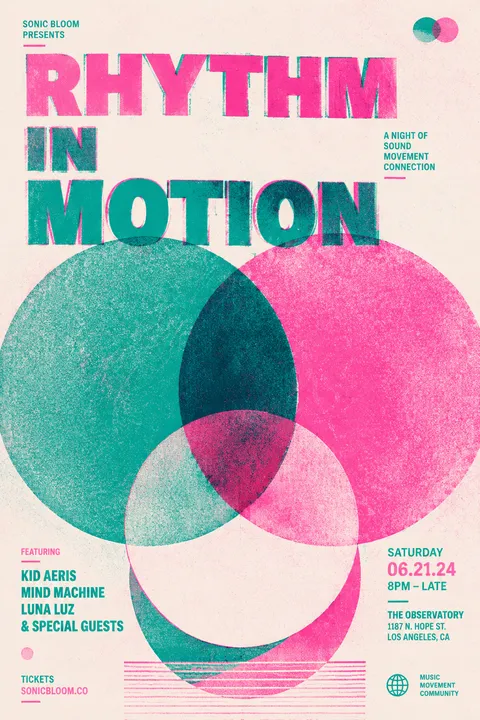
Designing for risograph requires understanding that each color prints separately, similar to screen printing. Artists typically work with small color palettes, planning for colors to overlay and create new tones—for example, yellow and pink combining to produce orange. Designers must accept and embrace the inherent imperfections, including potential patchiness and distressed textures. This acceptance of happy accidents is central to the risograph philosophy.
Ready to design your next poster?
Create Risograph Poster