
Propaganda Posters
Create propaganda-style posters with bold slogans, heroic composition, vintage campaign graphics, and editable AI templates for dramatic visual messages.
5 credits for new user registration. No credit card required.
Create Your Own Propaganda Poster
Use our AI generator to design Propaganda posters in seconds with full commercial rights.
Create Propaganda Poster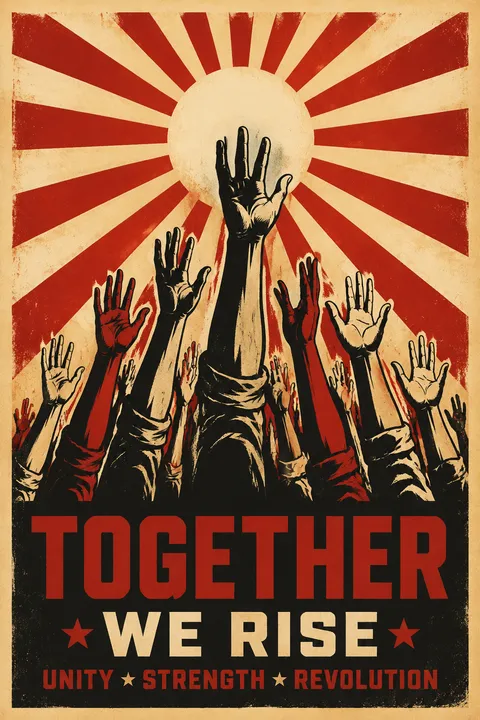
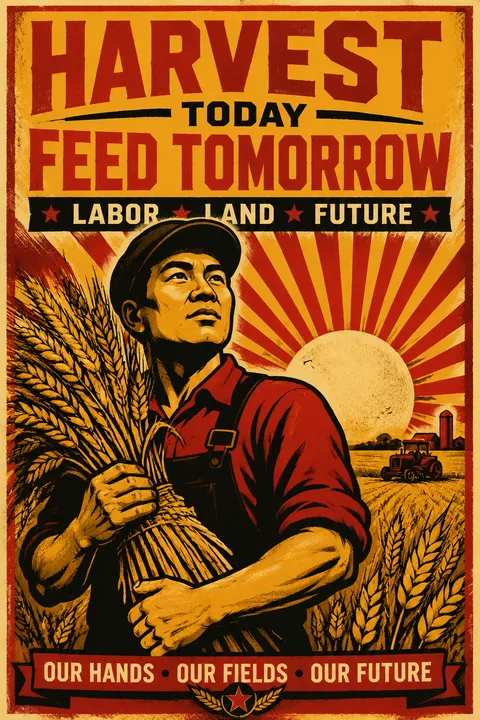
The Art of Propaganda?
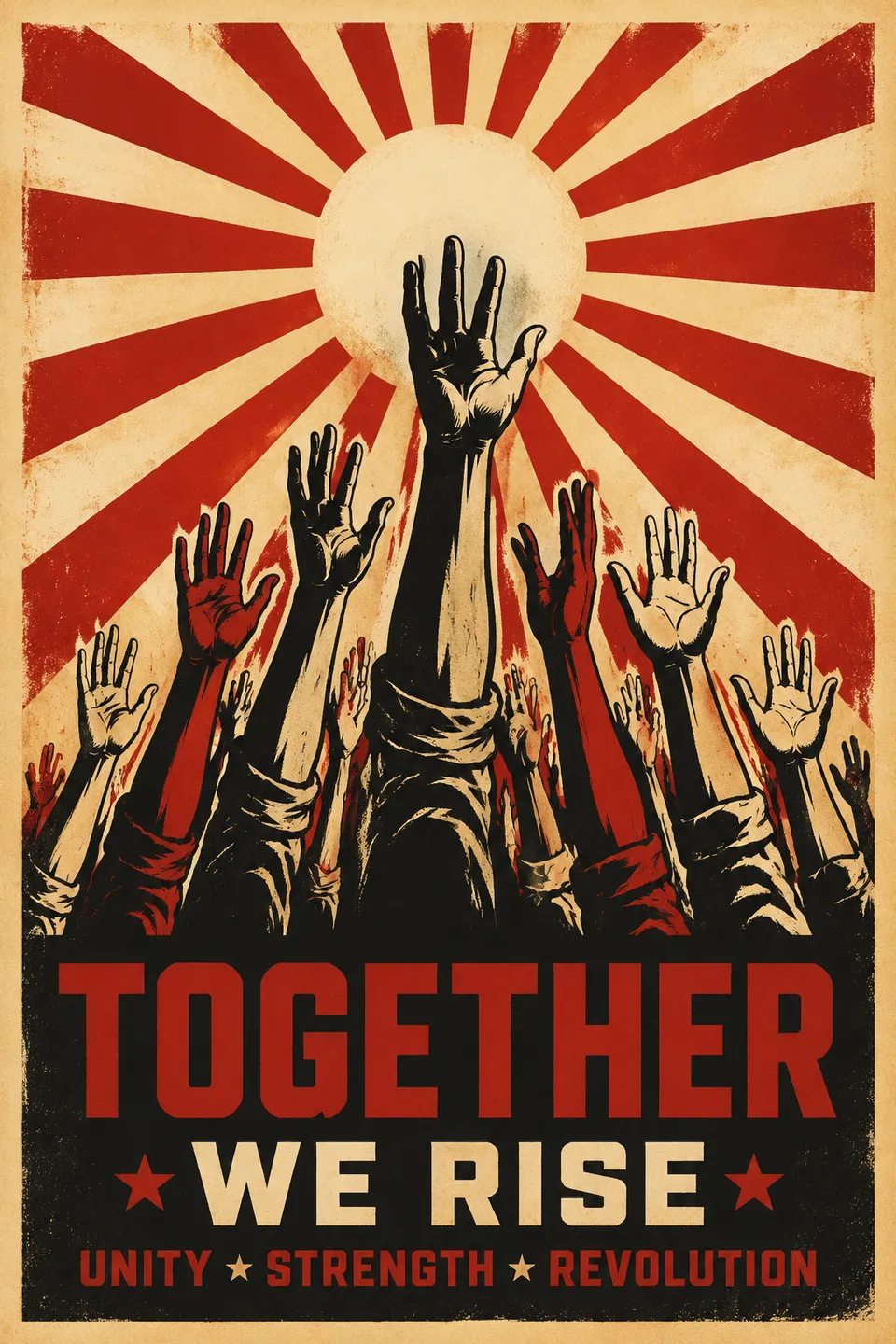
Turn Ideas into Art in Seconds
Describe Your Vision
Simply type your idea or concept for the poster.
Select Propaganda Style
Our AI applies the specific Propaganda design rules to your concept.
Customize & Download
Fine-tune colors, add text, and export in high-resolution.
Why Designers Choose Us
The professional choice for AI-generated design
Instant Speed
Results in < 30s
CC0 License
100% Commercial Use
Fully Editable
Layer-by-layer control
High Res
Print-ready quality
About Propaganda Design
History of Propaganda
Design Philosophy
Propaganda FAQ
Quick answers about designing Propaganda posters.
What defines the propaganda poster art style?
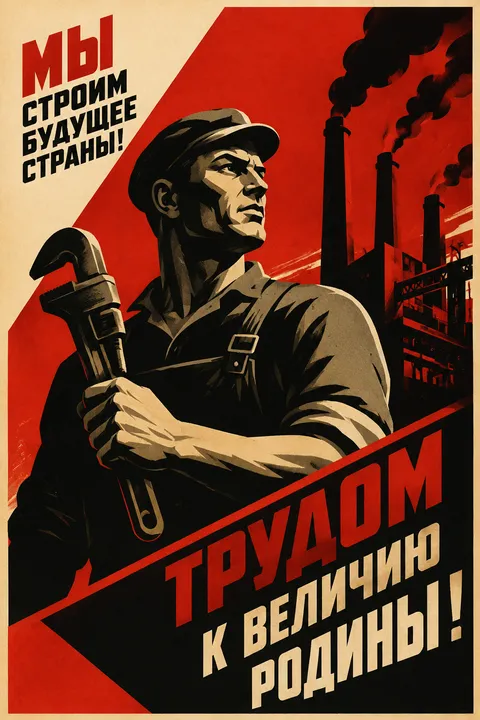
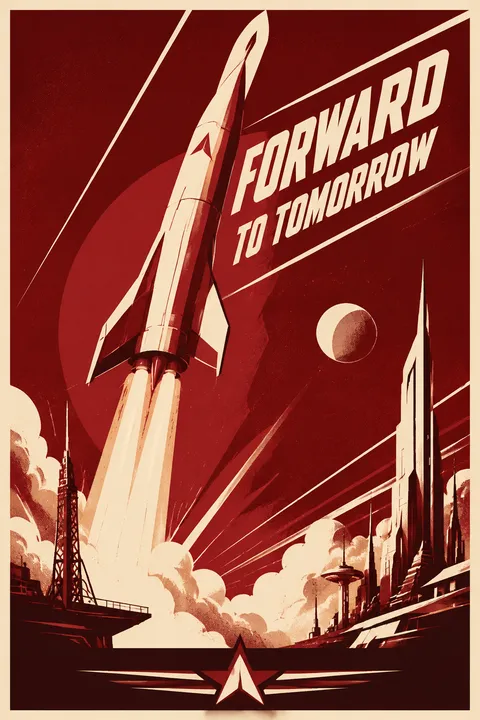
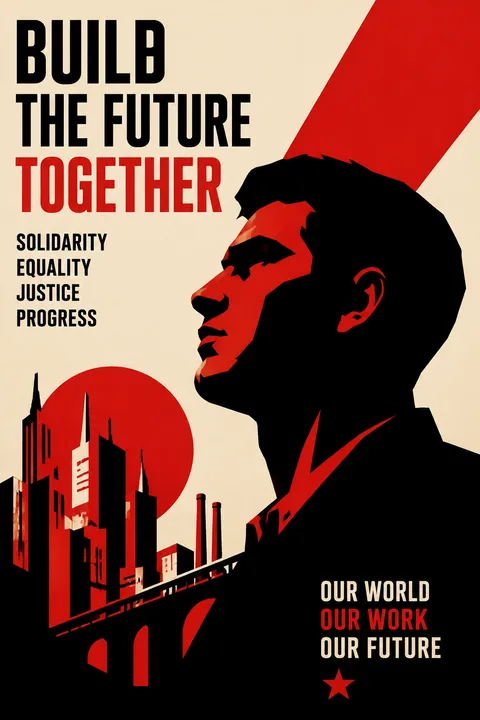
Propaganda poster art is characterized by bold graphics, vivid colors, and hyperrealistic imagery designed to convey political messages to mass audiences. The style features larger-than-life heroic figures with dramatic gestures, optimistic color schemes, and simple, powerful compositions. Originally developed to make abstract ideology concrete and accessible, it typically shows idealized workers, leaders, and citizens in inspiring poses against backgrounds of industrial achievements or national symbols.
What is the history of propaganda poster design?
Propaganda posters became a major communication tool after World War I, with the Soviet Union establishing Socialist Realism as the dominant artistic approach in the 1930s. China adopted this style after 1949, with many artists studying in Soviet academies. The medium was particularly effective in reaching illiterate populations, as the visual messages could be understood without reading. During the Cultural Revolution (1966-1976), Chinese propaganda posters became especially bold and forceful, featuring fervent expressions and heroic gestures.
How did Soviet and Chinese propaganda styles influence each other?
Soviet Socialist Realism heavily influenced Chinese propaganda art in the 1950s, when China viewed the USSR as an 'elder brother' in modernization. Chinese painters studied in Soviet academies, and Soviet professors taught in Chinese institutions. However, as Sino-Soviet relations deteriorated in the mid-1950s, China began incorporating traditional Chinese art elements while maintaining the heroic realism and political messaging. This created a distinctive fusion of Western academic realism with Chinese visual traditions.
Why were propaganda posters so effective as communication tools?
Propaganda posters succeeded because they delivered complex political messages in simple, visually striking formats that anyone could understand. They were inexpensive to mass-produce, easily displayed in homes, workplaces, and streets, and could reach populations with varying literacy levels. The use of model figures portrayed vividly helped make abstract ideology tangible and inspirational. The bright, optimistic imagery created emotional connections with viewers while reinforcing desired behaviors and beliefs.
Ready to design your next poster?
Create Propaganda Poster