
Polaroid Posters
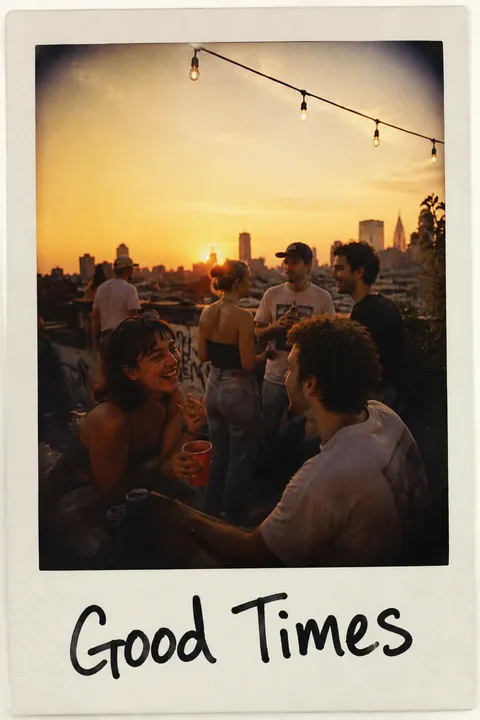
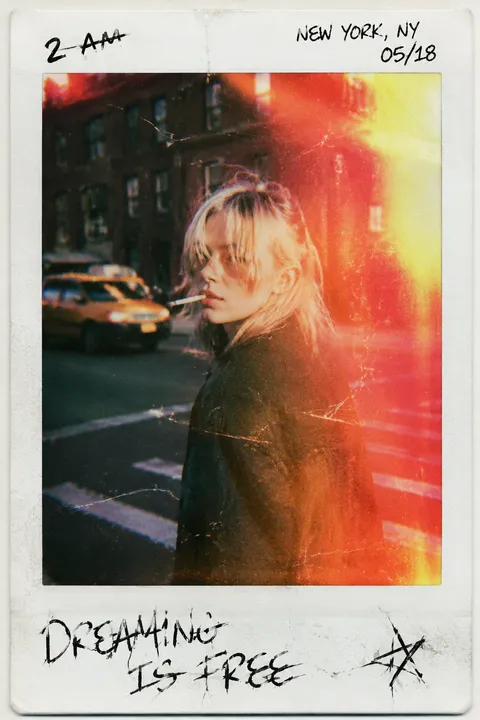
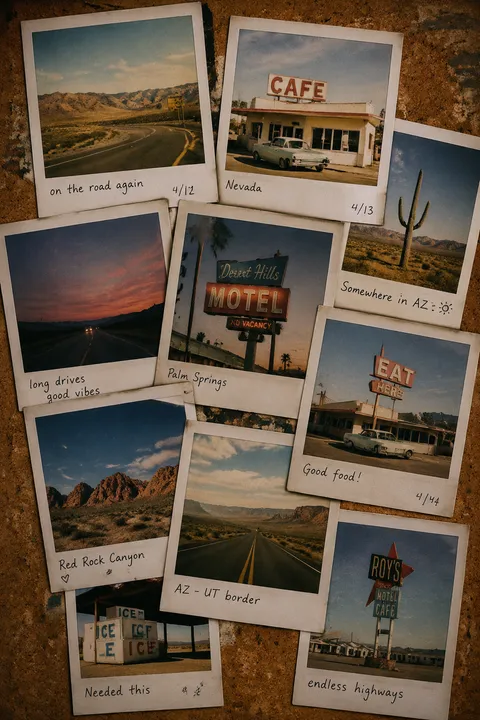
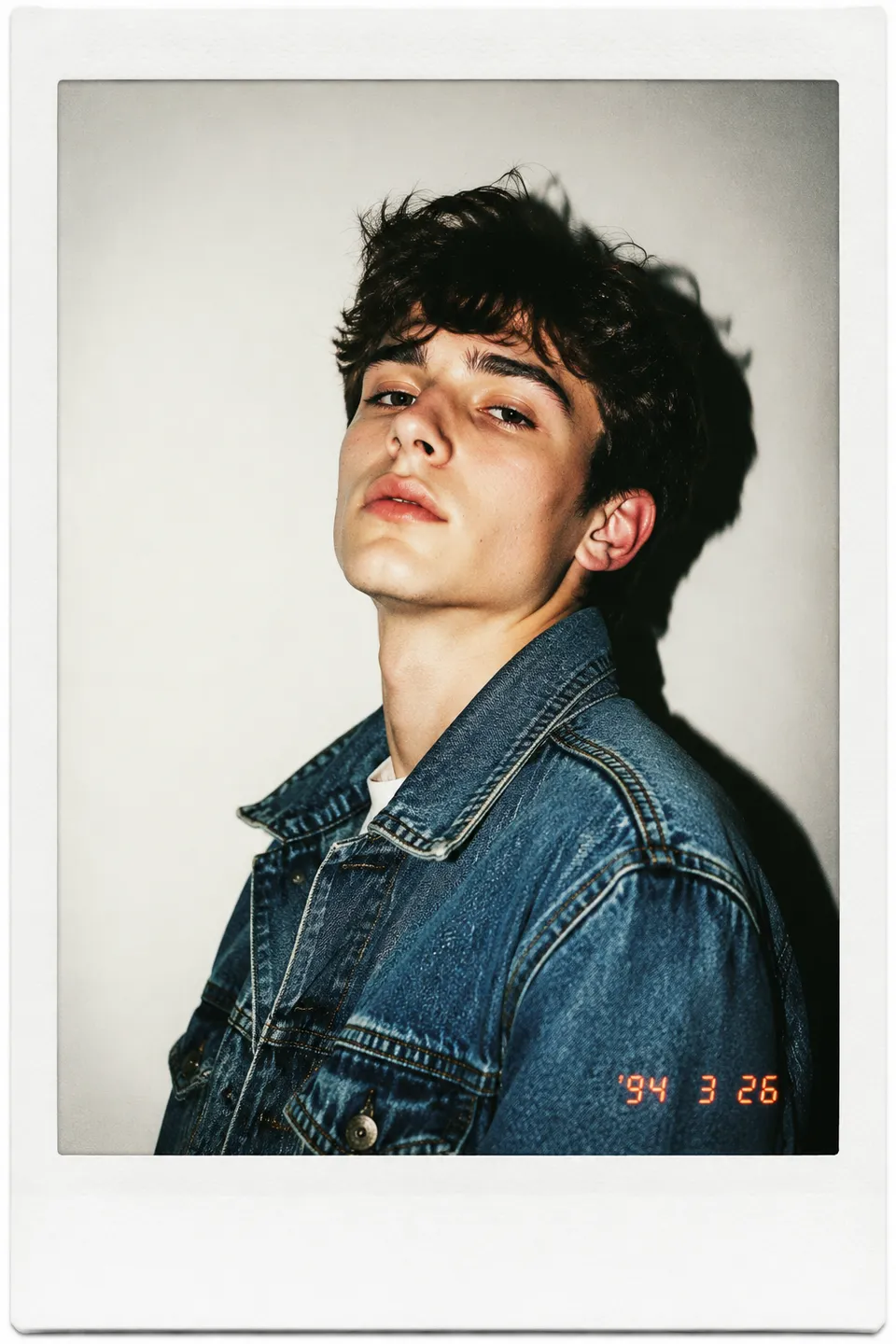
Introduced in 1948 by Edwin Land, Polaroid instant photography quickly became iconic through its SX-70 camera and instantly developing, white-bordered prints. The design philosophy celebrates the fleeting qualities of memory by embracing imperfections—muted colors, soft focus, and chemical quirks—as hallmarks of authenticity. Polaroid aesthetics frame each image as a lived moment, valuing emotional resonance over technical precision.
5 credits for new user registration. No credit card required.
Create Your Own Polaroid Poster
Use our AI generator to design Polaroid posters in seconds with full commercial rights.
Create Polaroid Poster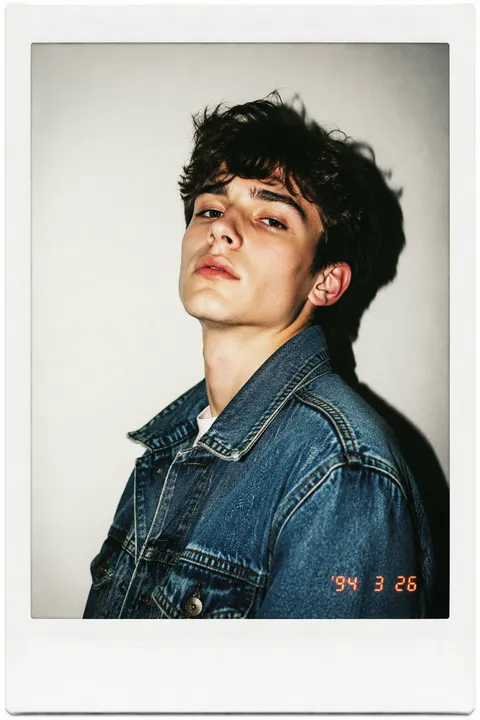

The Art of Polaroid?
Turn Ideas into Art in Seconds
Describe Your Vision
Simply type your idea or concept for the poster.
Select Polaroid Style
Our AI applies the specific Polaroid design rules to your concept.
Customize & Download
Fine-tune colors, add text, and export in high-resolution.
Why Designers Choose Us
The professional choice for AI-generated design
Instant Speed
Results in < 30s
CC0 License
100% Commercial Use
Fully Editable
Layer-by-layer control
High Res
Print-ready quality
About Polaroid Design
History of Polaroid
Design Philosophy
Related Keywords
Polaroid FAQ
Quick answers about designing Polaroid posters.
What visual qualities define the Polaroid aesthetic?
Polaroid images possess a distinctive look characterized by soft color saturation, gentle contrast, and warm nostalgic tones that differ markedly from digital precision. The signature white border frames square or rectangular exposures. Colors tend toward slightly faded or dreamlike qualities with a film-like appearance. Skin tones render soft and flattering, while overall images carry an intimate, vintage character unique to the instant film medium.
How does the Polaroid format differ from other instant films?
Polaroid film produces images with an artistic, vintage quality featuring softer colors and gentler contrast compared to competitors like Fujifilm Instax, which renders more natural, saturated colors with solid contrast. Polaroid embraces its quirks and happy accidents as aesthetic features rather than flaws. Each print develops uniquely, with slight variations in color balance and exposure creating one-of-a-kind results impossible to replicate digitally.
What creative techniques are unique to instant film photography?
Instant film enables distinctive manipulation techniques impossible with traditional photography. Double exposures layer multiple images on single frames. Emulsion lifts separate the image layer from its backing for transfer onto other surfaces. Artists can manipulate still-developing emulsions to distort or blend colors. The limited shot count encourages intentional composition, while the developing process itself becomes part of the creative experience.
Why has Polaroid photography maintained popularity in the digital age?
Polaroid endures because it offers tangible, immediate physical prints in an increasingly virtual world. The magic of watching images develop before your eyes creates an experience digital cameras cannot match. Limited shots force thoughtful, intentional photography contrasting with endless digital captures. The imperfect, characterful results feel more personal and authentic than digitally processed perfection, connecting viewers to photography's analog roots.
Ready to design your next poster?
Create Polaroid Poster