
Paper Cut Posters
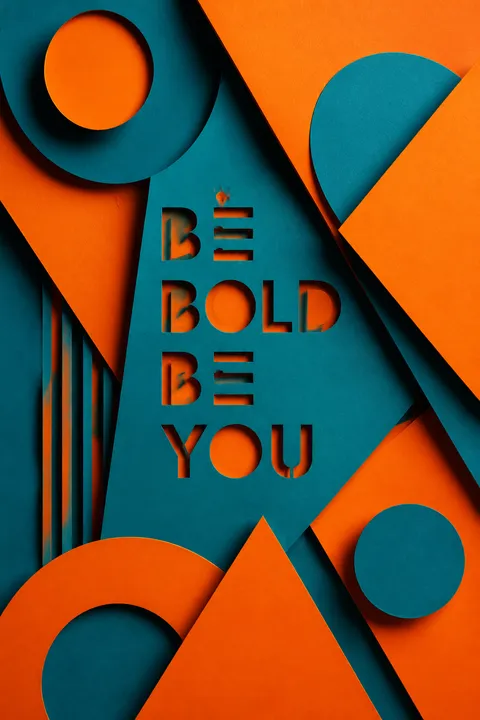
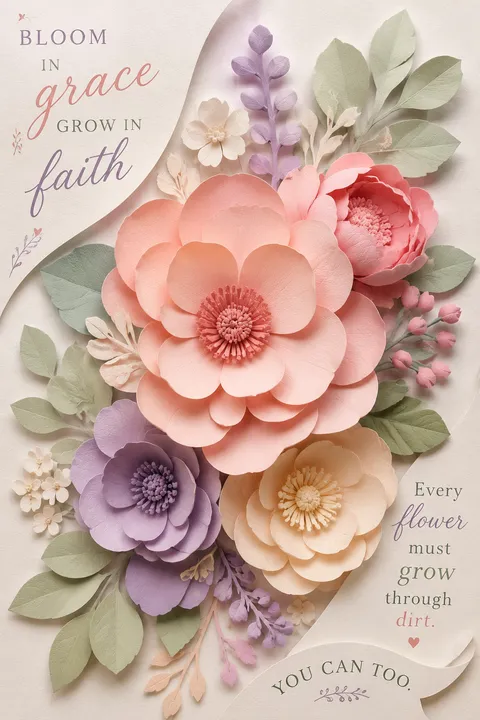
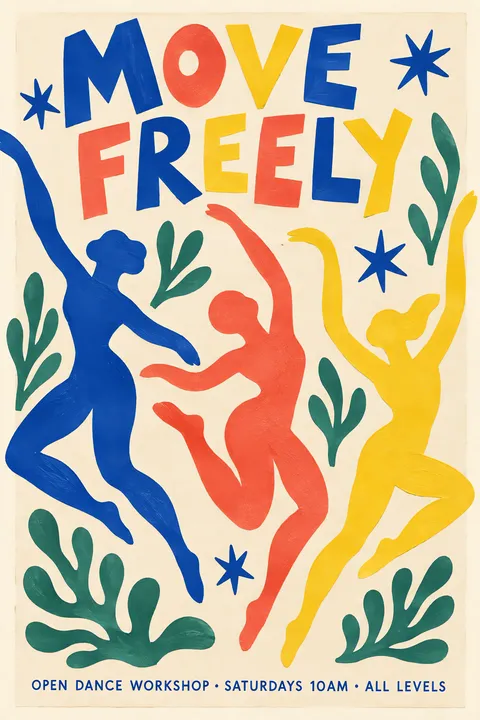
Paper cutting developed independently across cultures from the 6th century onward, shaping ceremonial and decorative arts in China, Eastern Europe, Germany, and Latin America before evolving into commercial silhouette portraiture in 18th-century Europe. The paper cut philosophy embraces the discipline of silhouette, demanding recognition through outline alone and fostering elegance through the interplay of layers, shadows, and the deliberate economy of visual means.
5 credits for new user registration. No credit card required.
Create Your Own Paper Cut Poster
Use our AI generator to design Paper Cut posters in seconds with full commercial rights.
Create Paper Cut Poster


The Art of Paper Cut?

Turn Ideas into Art in Seconds
Describe Your Vision
Simply type your idea or concept for the poster.
Select Paper Cut Style
Our AI applies the specific Paper Cut design rules to your concept.
Customize & Download
Fine-tune colors, add text, and export in high-resolution.
Why Designers Choose Us
The professional choice for AI-generated design
Instant Speed
Results in < 30s
CC0 License
100% Commercial Use
Fully Editable
Layer-by-layer control
High Res
Print-ready quality
About Paper Cut Design
History of Paper Cut
Design Philosophy
Related Keywords
Paper Cut FAQ
Quick answers about designing Paper Cut posters.
What is the historical origin of paper-cutting art?
Paper-cutting emerged in China during the 4th century AD following the invention of paper in 105 AD. The oldest surviving example is a symmetrical circle from 6th-century Xinjiang, China. The craft spread through Asia, reaching West Asia by the 8th century and Europe by the 13th century, where distinct traditions developed including German Scherenschnitte in the 16th century. Chinese jianzhi was recognized by UNESCO as Intangible Cultural Heritage in 2009.
What are the major cultural styles of paper-cutting around the world?
Major traditions include Chinese jianzhi featuring red paper with zodiac and symbolic imagery; German and Swiss Scherenschnitte with intricate silhouettes; Polish Wycinanki using colorful layered papers with roosters and medallion designs; Japanese kirie with delicate precision; Mexican papel picado creating festive banners from stacked tissue paper; and Jewish papercutting used for religious documents like ketubot and mizrachs.
What techniques are used in traditional paper-cutting?
Two primary methods exist: scissor cutting for flowing curves and intricate details, and knife cutting using sharp blades on cutting mats for precise geometric work. Symmetrical designs are created by folding paper before cutting, producing mirrored patterns. Layered techniques stack multiple paper sheets to create dimensional effects. Chinese artisans often cut dozens of sheets simultaneously to produce identical copies efficiently.
What cultural purposes do paper-cut designs serve?
Paper-cutting serves diverse cultural functions across traditions. In China, window flowers and lantern decorations celebrate festivals and weddings with auspicious symbols. Polish Wycinanki adorned peasant homes as curtains and wall decorations. Mexican papel picado creates celebratory banners for Day of the Dead and other occasions. Jewish papercutting produces ceremonial documents and synagogue decorations with Hebrew text and symbolic imagery.
Ready to design your next poster?
Create Paper Cut Poster