
Oil Painting Posters
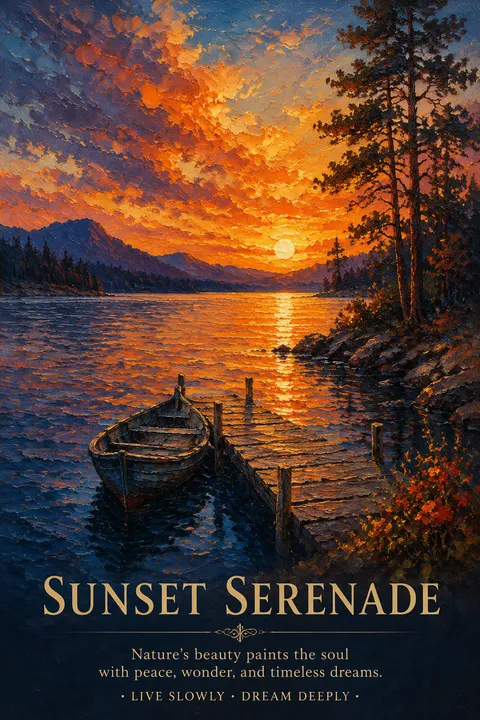
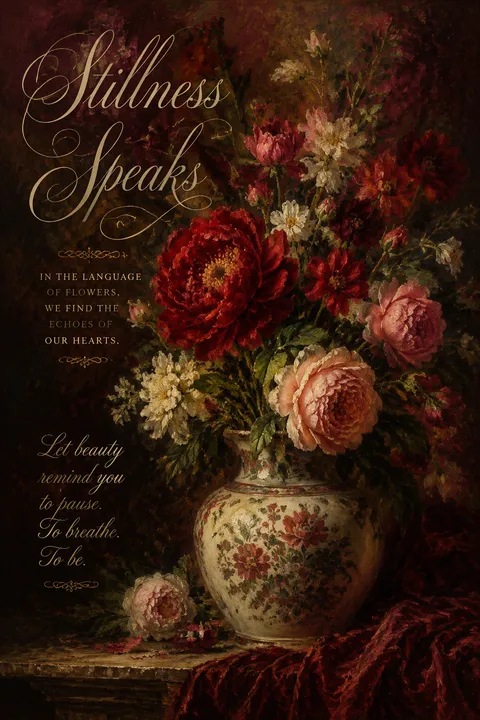
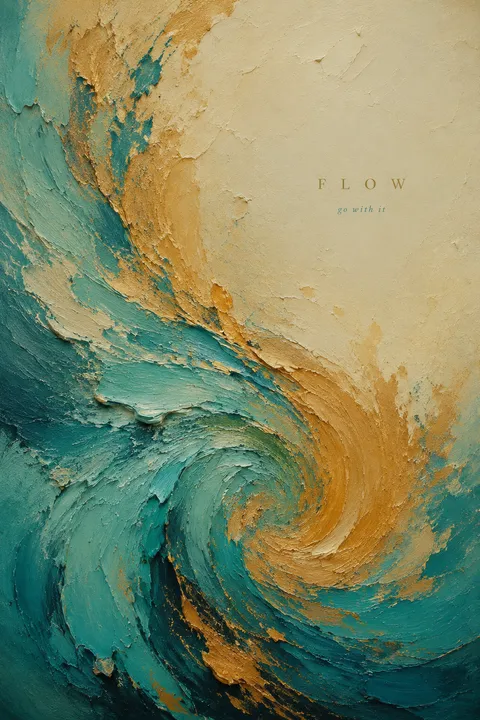
Oil painting originated in 15th-century Northern Europe, where artists like Jan van Eyck harnessed oil’s slow drying time to achieve luminous blending and subtle layering. The philosophy values the material presence of the artist—visible brushwork, textured surfaces, and depth built through patient application—asserting that each mark and glaze embodies both technical mastery and a reverence for centuries of artistic tradition.
5 credits for new user registration. No credit card required.
Create Your Own Oil Painting Poster
Use our AI generator to design Oil Painting posters in seconds with full commercial rights.
Create Oil Painting Poster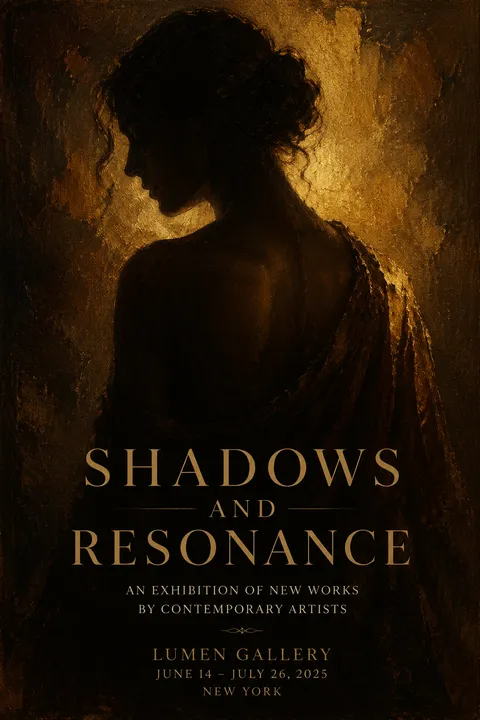
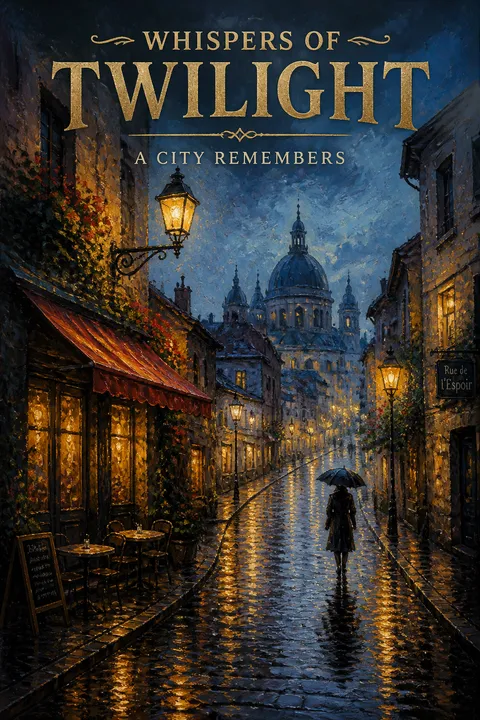
The Art of Oil Painting?
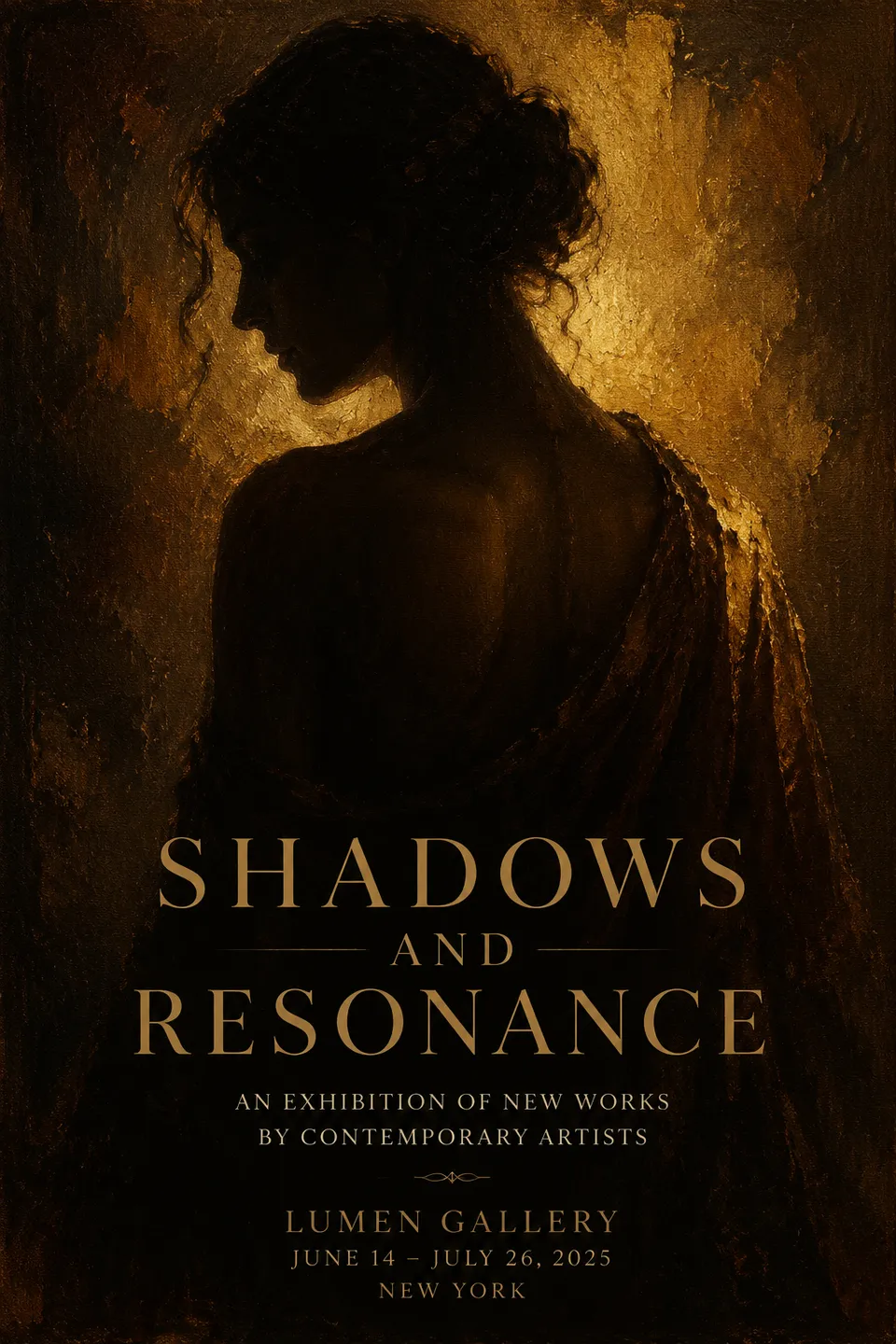
Turn Ideas into Art in Seconds
Describe Your Vision
Simply type your idea or concept for the poster.
Select Oil Painting Style
Our AI applies the specific Oil Painting design rules to your concept.
Customize & Download
Fine-tune colors, add text, and export in high-resolution.
Why Designers Choose Us
The professional choice for AI-generated design
Instant Speed
Results in < 30s
CC0 License
100% Commercial Use
Fully Editable
Layer-by-layer control
High Res
Print-ready quality
About Oil Painting Design
History of Oil Painting
Design Philosophy
Related Keywords
Oil Painting FAQ
Quick answers about designing Oil Painting posters.
What makes oil painting a distinctive art medium?
Oil painting stands out due to the slow-drying properties of oil-based pigments, which allow artists extended working time to blend colors and create smooth transitions. The medium produces rich, luminous colors with exceptional depth and texture variety. Artists can build layers from thin transparent glazes to thick impasto techniques, achieving effects impossible with faster-drying media like watercolor or acrylic.
What are the fundamental techniques used in oil painting?
Key oil painting techniques include the fat-over-lean principle, where each paint layer contains more oil than the previous to prevent cracking. Alla prima (wet-on-wet) involves completing paintings in one session while paint remains workable. Glazing applies thin transparent layers for depth and luminosity, while scumbling brushes opaque light colors over darker ones for atmospheric effects. The Flemish method builds paintings through systematic layers on a bright white ground.
How did oil painting develop throughout art history?
Oil painting originated in 7th-century Afghanistan with Buddhist artists, though European development is credited to Flemish painter Jan van Eyck in the 15th century. The technique spread through Renaissance Italy via artists like Titian and Bellini, who mastered layered glazing. By the 16th century, Venetian painters had perfected oil techniques, and the medium continued evolving through Impressionism, with Monet painting outdoors, to Post-Impressionism with Van Gogh's expressive brushwork.
Which types of oil are used in oil painting and why do they matter?
Common oils include linseed, walnut, poppy seed, and safflower, each affecting paint properties differently. Linseed oil is most popular for its durability but yellows over time, making it better for darker colors. Poppy and safflower oils dry slower and yellow less, ideal for whites and pale colors. Walnut oil offers a balance between drying time and yellowing resistance, historically favored by Renaissance masters.
Ready to design your next poster?
Create Oil Painting Poster