
Noir Posters
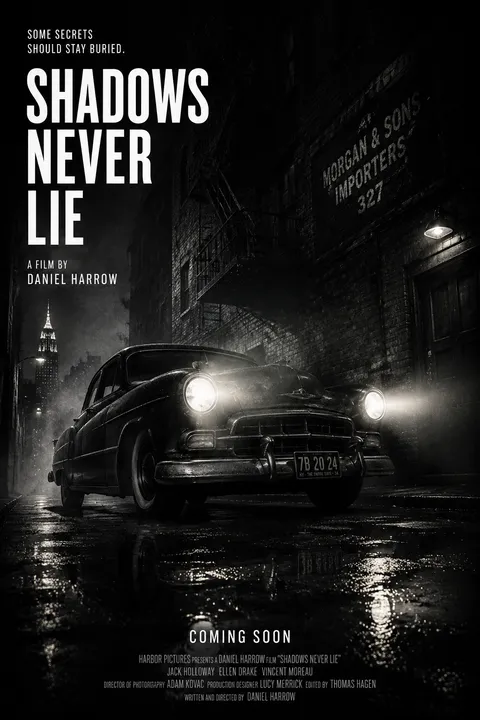
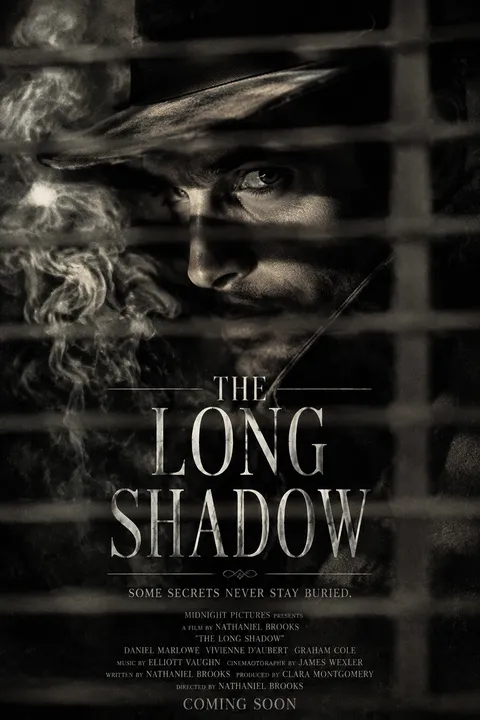
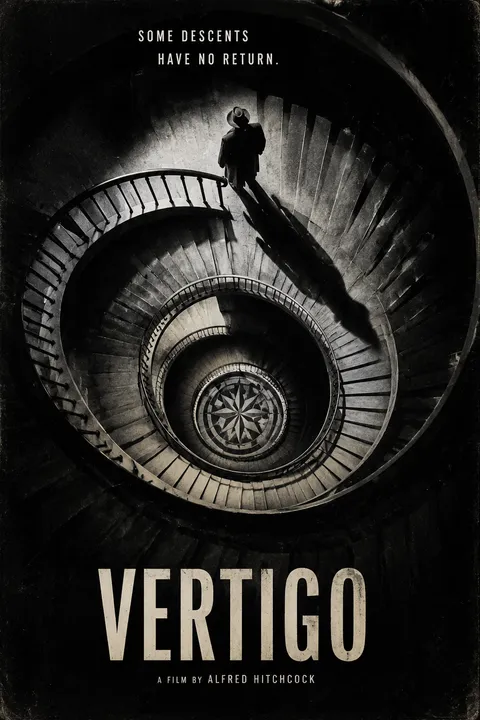
Originating in 1940s Hollywood and shaped by European émigré filmmakers, noir developed under the shadows of wartime austerity and the influence of German Expressionism. Its design philosophy contends that darkness and light are equal storytellers—shadows conceal motives as much as illumination reveals them, and ambiguity becomes the visual language of moral complexity, urban threat, and psychological tension.
5 credits for new user registration. No credit card required.
Create Your Own Noir Poster
Use our AI generator to design Noir posters in seconds with full commercial rights.
Create Noir Poster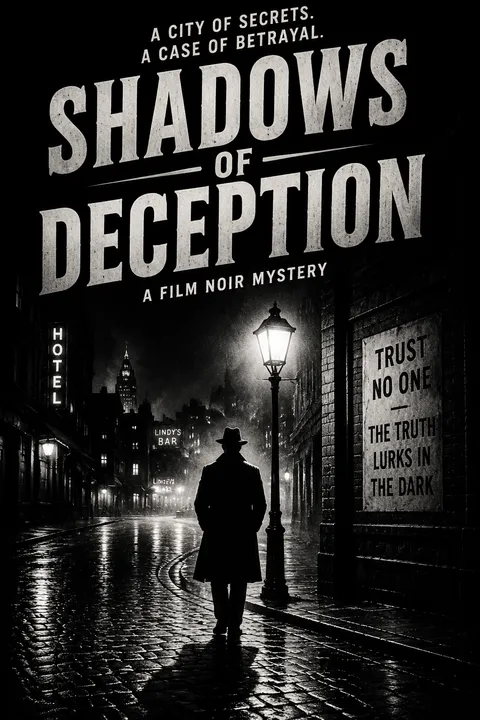
The Art of Noir?
Turn Ideas into Art in Seconds
Describe Your Vision
Simply type your idea or concept for the poster.
Select Noir Style
Our AI applies the specific Noir design rules to your concept.
Customize & Download
Fine-tune colors, add text, and export in high-resolution.
Why Designers Choose Us
The professional choice for AI-generated design
Instant Speed
Results in < 30s
CC0 License
100% Commercial Use
Fully Editable
Layer-by-layer control
High Res
Print-ready quality
About Noir Design
History of Noir
Design Philosophy
Noir FAQ
Quick answers about designing Noir posters.
What defines the film noir visual style and where did it originate?
Film noir's visual language emerged from German Expressionism and was brought to Hollywood by emigre directors like Fritz Lang and Robert Siodmak. French critics coined the term in 1946 when they observed common visual elements across American crime films held back during WWII. The style is defined by high-contrast chiaroscuro lighting, dramatic shadows, and psychologically expressive compositions that create atmosphere of mystery, danger, and moral ambiguity.
What lighting techniques characterize noir aesthetics?
Noir cinematography pioneered what John Alton called 'mystery lighting' or 'criminal lighting'—techniques combining high style with gritty realism based on the principle that evil happens in darkness. Hard lights create harsh, deep shadows while selective illumination leaves large areas in complete blackness. This stark high-contrast approach isolates protagonists visually, emphasizing their separation from society. The interplay of light and shadow carries as much narrative weight as dialogue.
How do camera angles and composition contribute to noir atmosphere?
Noir revolutionized classical Hollywood composition by deliberately disrupting harmony and symmetry. Directors employed asymmetrical framing, oblique angles, and deep focus to heighten tension and unease. Orson Welles' Citizen Kane demonstrated how radical angles, extreme lighting, and unusual compositions could create artistic power. These techniques capture intensity in both foreground and background, making the visual environment an active participant in storytelling rather than passive backdrop.
What settings and atmospheric elements define noir visual design?
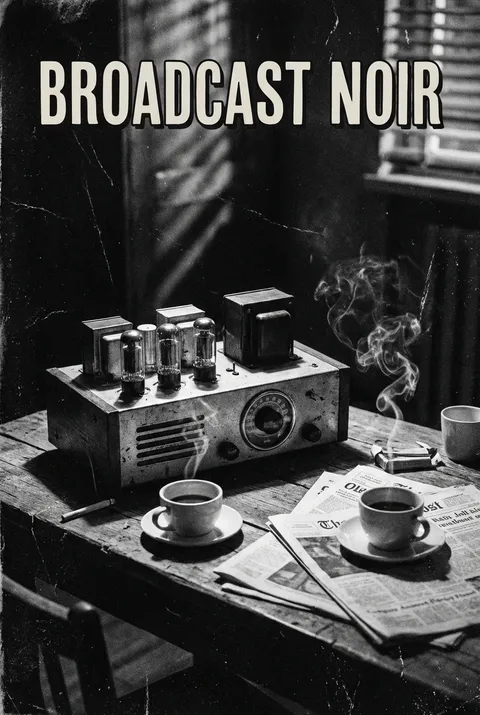
Noir evokes instantly recognizable imagery: rain-slicked urban streets, neon-lit alleyways, smoke-filled rooms, and shadowy doorways. Night settings predominate, with fog and mist adding layers of mystery. Streetlamps create isolated pools of light amid darkness. Venetian blinds cast striped shadows across faces. These environmental elements work with lighting to establish mood before any character speaks, creating visual shorthand for danger, deception, and moral complexity that contemporary neo-noir continues to reference.
Ready to design your next poster?
Create Noir Poster