
Vintage Poster Posters
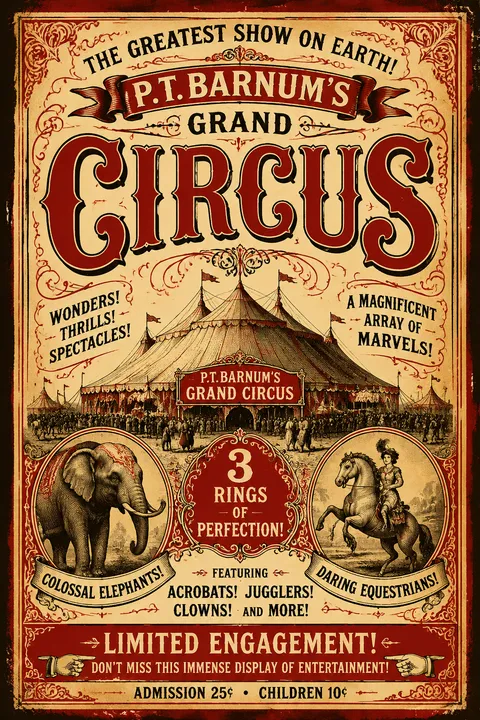
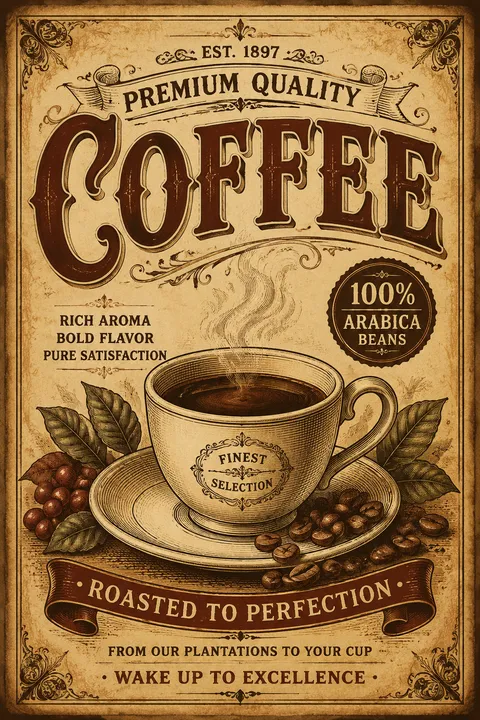
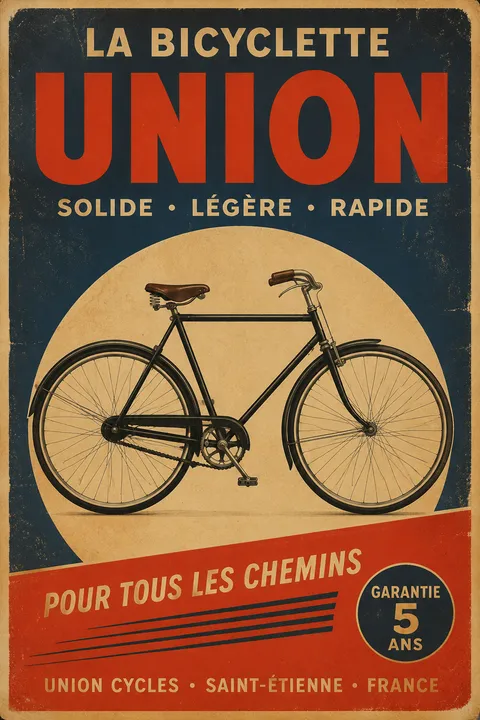
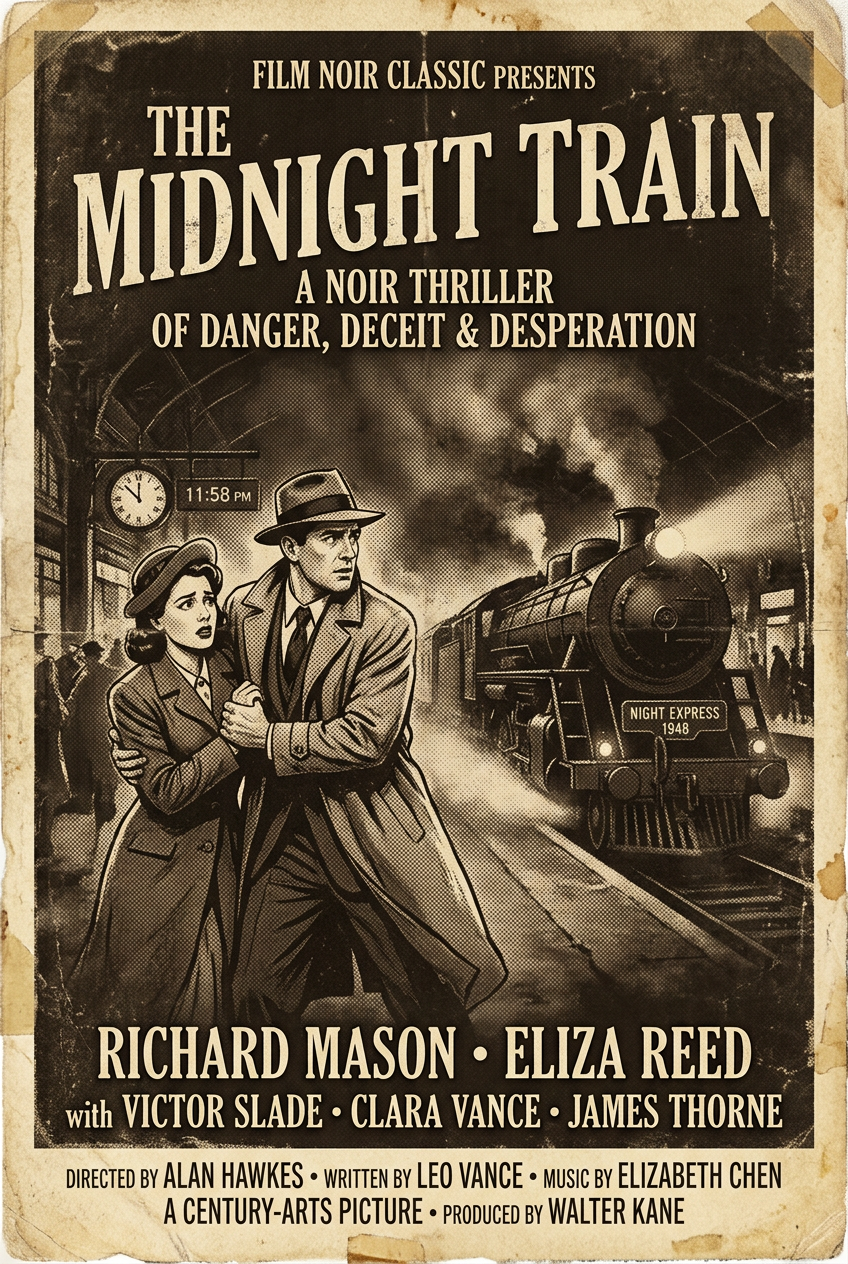
From the 1890s to the 1950s, vintage poster design defined public visual culture across Europe and America, shaped by artists like Jules Chéret, Henri de Toulouse-Lautrec, Alphonse Mucha, and later Saul Bass. The philosophy draws on the evocative power of period-specific typography, illustration, and composition—believing that historical visual conventions communicate nostalgia, trust, and a tangible connection to celebrated design heritage.
5 credits for new user registration. No credit card required.
Create Your Own Vintage Poster Poster
Use our AI generator to design Vintage Poster posters in seconds with full commercial rights.
Create Vintage Poster Poster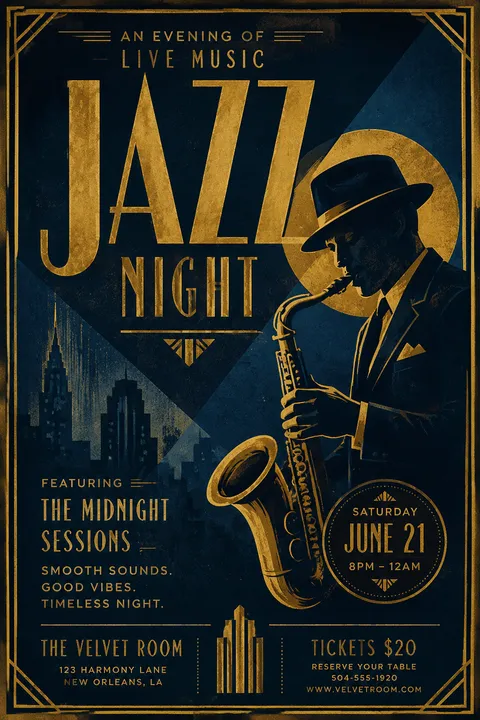
The Art of Vintage Poster?
Turn Ideas into Art in Seconds
Describe Your Vision
Simply type your idea or concept for the poster.
Select Vintage Poster Style
Our AI applies the specific Vintage Poster design rules to your concept.
Customize & Download
Fine-tune colors, add text, and export in high-resolution.
Why Designers Choose Us
The professional choice for AI-generated design
Instant Speed
Results in < 30s
CC0 License
100% Commercial Use
Fully Editable
Layer-by-layer control
High Res
Print-ready quality
About Vintage Poster Design
History of Vintage Poster
Design Philosophy
Related Keywords
Vintage Poster FAQ
Quick answers about designing Vintage Poster posters.
What are the defining characteristics of vintage poster design?
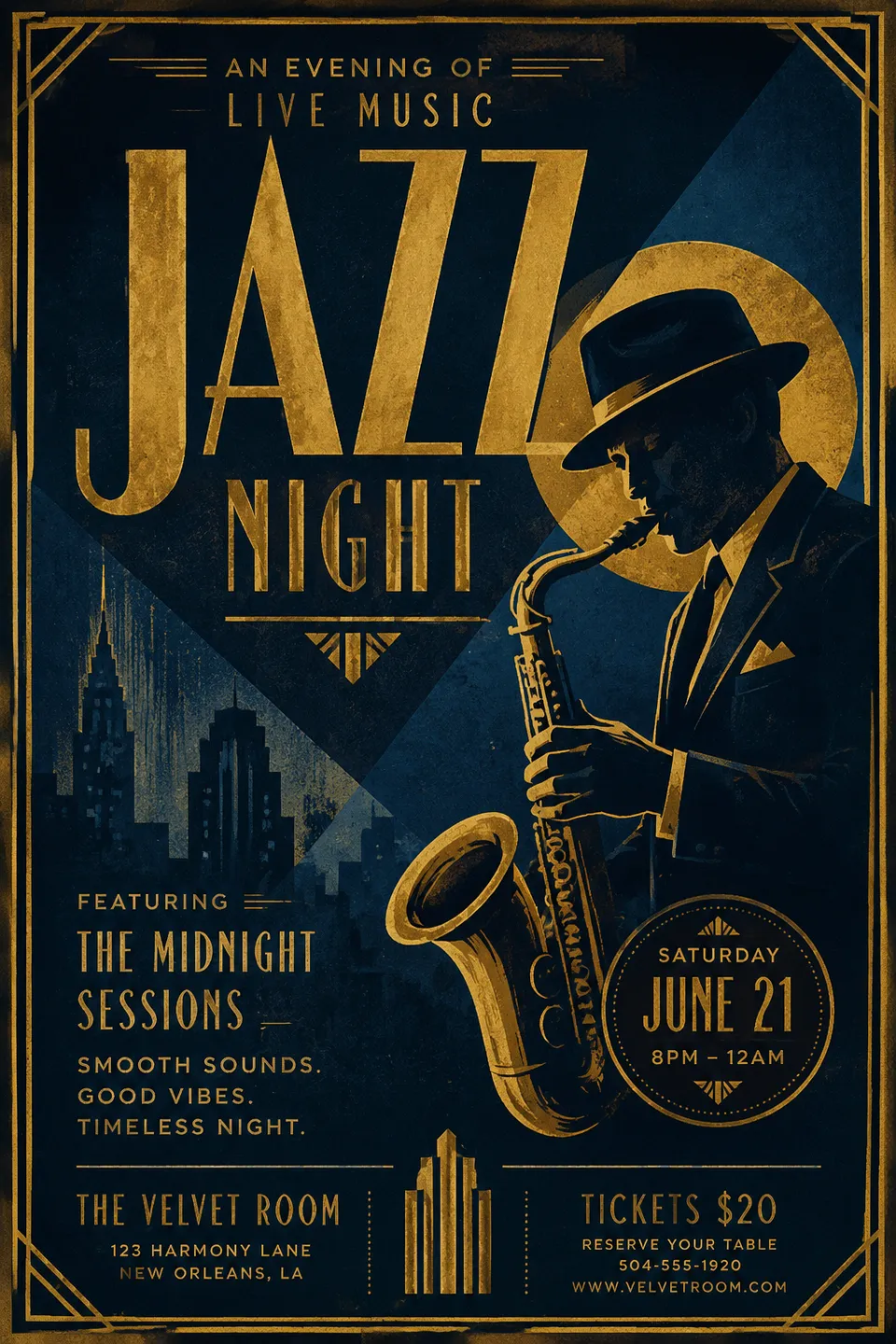
Vintage poster design features bold typography, limited but striking color palettes, and distinctive illustration styles reflecting their era of origin. These posters typically use stark, minimalistic imagery that serves as a focal point, with rich textures and vibrant colors. Design elements draw from major art movements like Art Nouveau's organic flowing lines, Art Deco's geometric boldness, and mid-century modern's streamlined simplicity. The visual language prioritizes immediate impact and memorable messaging.
What major art movements influenced vintage poster design?
Several art movements shaped the evolution of poster design. Art Nouveau (late 1800s-early 1900s) brought organic forms, asymmetry, and curvilinear compositions. Plakatstil emerged in Germany with reductive imagery, flat colors, and bold typography for quick communication. Art Deco (1920s-1930s) introduced geometric shapes, streamlined fonts, and elegant sophistication. The psychedelic movement of the 1960s referenced earlier styles while adding op art effects and surrealist elements for the counterculture era.
Who were the pioneering artists in vintage poster design?
Leonetto Cappiello is often called the father of modern advertising for his vivid colors, exaggerated perspectives, and strikingly simple compositions. Jules Cheret developed color lithographic printing in the 1870s, making colorful commercial posters possible for the first time. Lucian Bernhard pioneered the Plakatstil movement with minimalist product-focused designs. Later, Raymond Savignac brought whimsical humor reflecting post-war optimism, while Bernard Villemot created sleek, sophisticated designs that epitomized mid-century advertising elegance.
What categories of vintage posters are most collectible today?
The most sought-after vintage posters include early film posters, especially from classic Hollywood and international cinema, and rock concert posters from legendary venues. Art Deco travel advertisements depicting exotic destinations remain highly valued for their romanticized visions of leisure and adventure. Works by recognized masters like Toulouse-Lautrec, Alphonse Mucha, and A.M. Cassandre command premium prices. Original advertising posters for beverages, transportation companies, and cultural events from the early 20th century are also prized by collectors.
Ready to design your next poster?
Create Vintage Poster Poster