Naive Art Posters
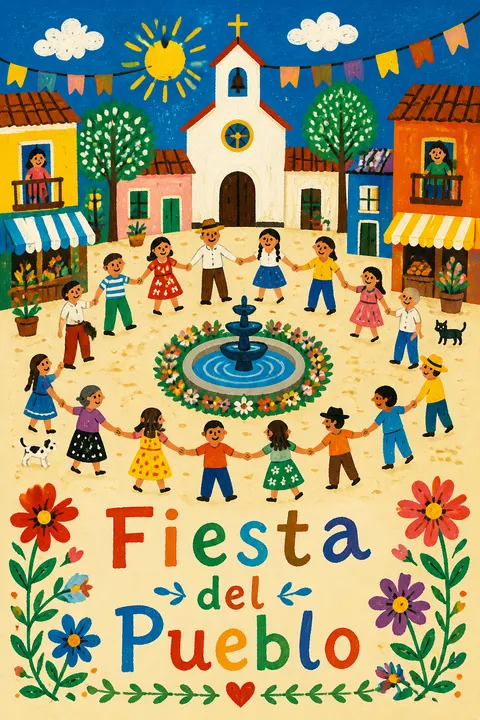
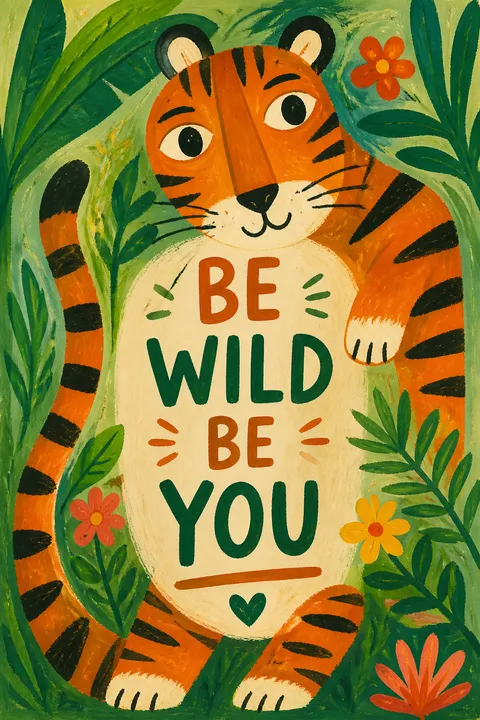
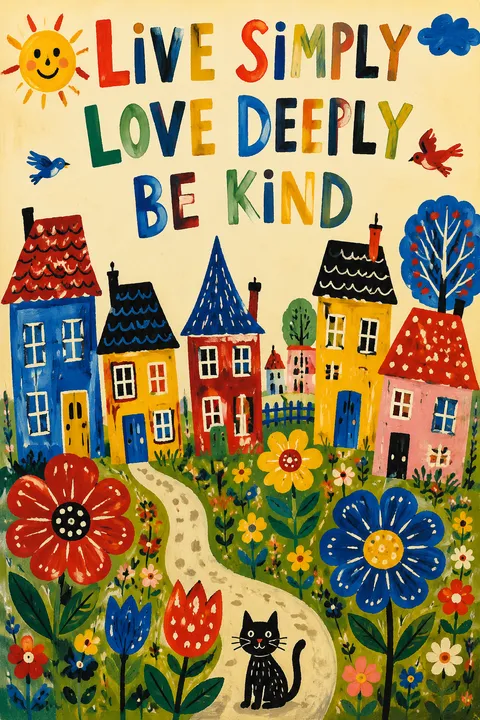
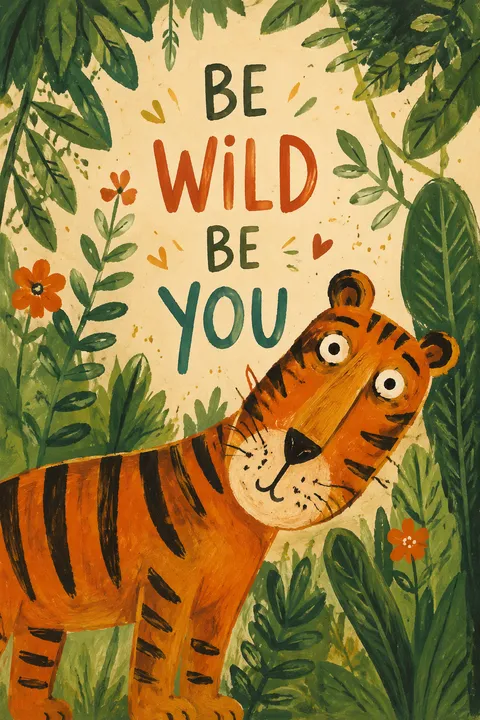
Arising in late 19th-century Europe and America, naive art describes the work of self-taught creators like Henri Rousseau and Grandma Moses, whose distinctive, personal visions stood apart from academic tradition. Its philosophy centers on the belief that untrained eyes see with a rare emotional clarity—favoring sincerity, simplified forms, and direct communication over technical mastery or conventional correctness.
5 credits for new user registration. No credit card required.
Create Your Own Naive Art Poster
Use our AI generator to design Naive Art posters in seconds with full commercial rights.
Create Naive Art Poster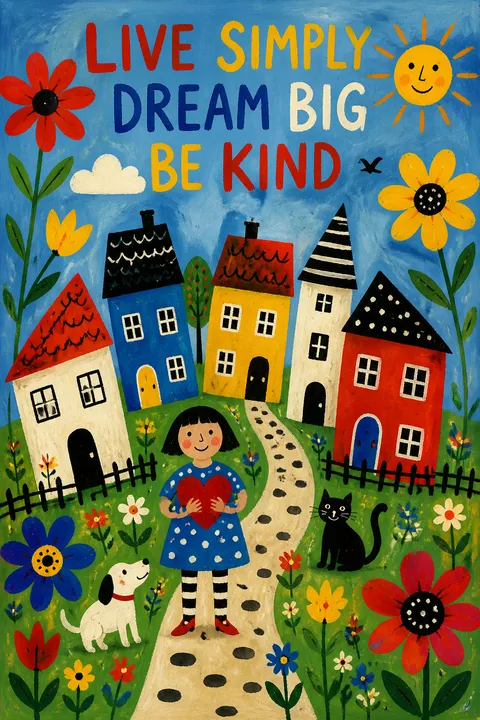
The Art of Naive Art?
Turn Ideas into Art in Seconds
Describe Your Vision
Simply type your idea or concept for the poster.
Select Naive Art Style
Our AI applies the specific Naive Art design rules to your concept.
Customize & Download
Fine-tune colors, add text, and export in high-resolution.
Why Designers Choose Us
The professional choice for AI-generated design
Instant Speed
Results in < 30s
CC0 License
100% Commercial Use
Fully Editable
Layer-by-layer control
High Res
Print-ready quality
About Naive Art Design
History of Naive Art
Design Philosophy
Naive Art FAQ
Quick answers about designing Naive Art posters.
What defines naive art and how does it differ from folk art?
Naive art refers to fine art forms like paintings and sculptures created by self-taught artists who work outside formal academic traditions. Unlike folk art, which derives from distinct cultural contexts and traditions with practical applications, naive art doesn't necessarily emerge from popular cultural backgrounds. Naive artists are typically aware of fine art conventions like perspective but either cannot fully employ them or deliberately choose not to, creating distinctive untrained aesthetics.
What are the visual characteristics of naive art?
Naive art is recognized for its childlike simplicity and directness. Paintings typically feature flat rendering with rudimentary perspective, creating the illusion that figures float in space. Works are often extremely detailed despite technical limitations, using brilliant saturated colors rather than subtle tonal mixtures. Figures appear full-face or in strict profile—naive painters rarely conceal faces or show subjects from behind. Common subjects include animals, people, flora, folklore, and rustic scenes.
How does naive art relate to outsider art and art brut?
While often confused, these categories have important distinctions. Naive art typically involves self-taught artists who have some awareness of mainstream art conventions. Outsider art (art brut), a term coined by Jean Dubuffet in the 1940s, describes work created with minimal contact with the established art world. A key difference is that folk art embodies traditional forms and social values, while outsider art exists in a more marginal relationship to mainstream society.
Who are some notable naive artists and what is their legacy?
Henri Rousseau (1844-1910) stands as the most influential naive painter, discovered by Pablo Picasso who recognized genius in his unconventional approach. Rousseau's dreamlike jungle scenes with their frozen motion and deep stillness influenced avant-garde painters including Fernand Léger, Jean Metzinger, Max Beckmann, and the Surrealists. His work demonstrated that artistic power doesn't require academic training, validating authentic personal expression over technical perfection.
Ready to design your next poster?
Create Naive Art Poster