
Low Poly Posters
Low poly emerged in the early 1990s within the world of 3D video games, where technical constraints demanded minimal polygon counts—later evolving into a celebrated aesthetic through artists like Timothy J. Reynolds and design collectives in the 2010s. Its philosophy values computational honesty, highlighting each geometric facet rather than concealing digital construction, and finds expressive potential in reduction, faceting, and the visible architecture of polygons.
5 credits for new user registration. No credit card required.
Create Your Own Low Poly Poster
Use our AI generator to design Low Poly posters in seconds with full commercial rights.
Create Low Poly Poster

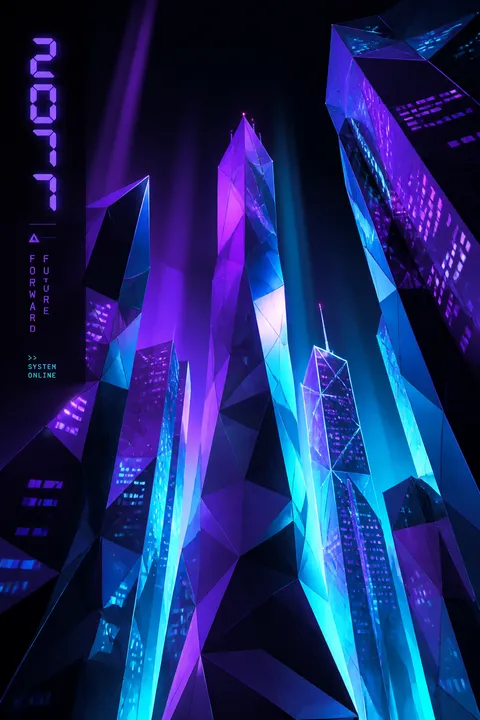
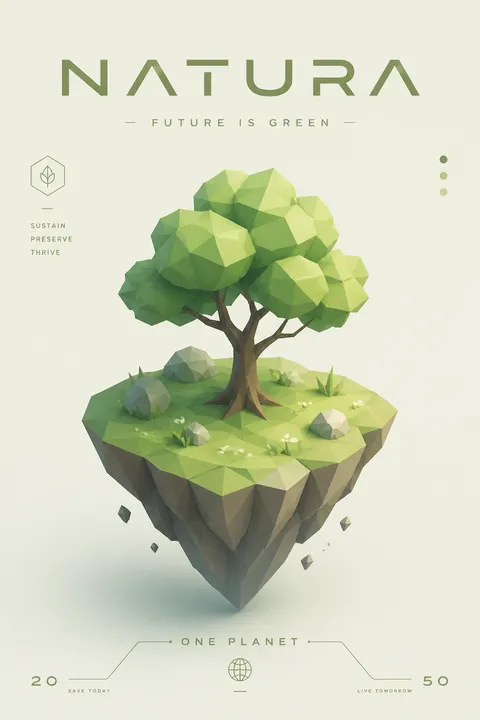
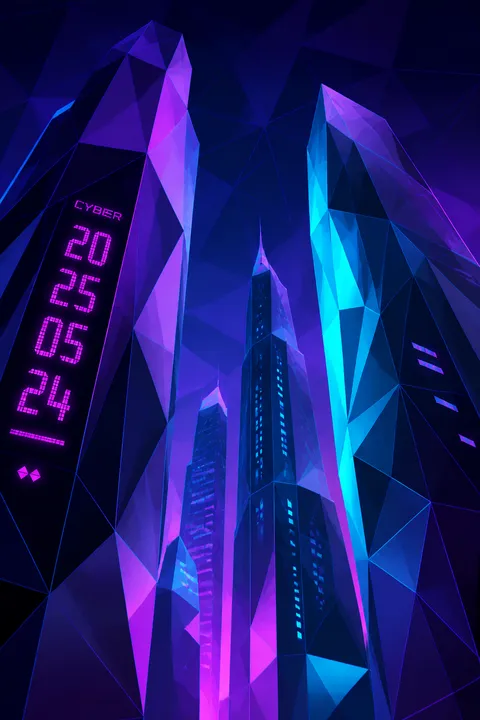
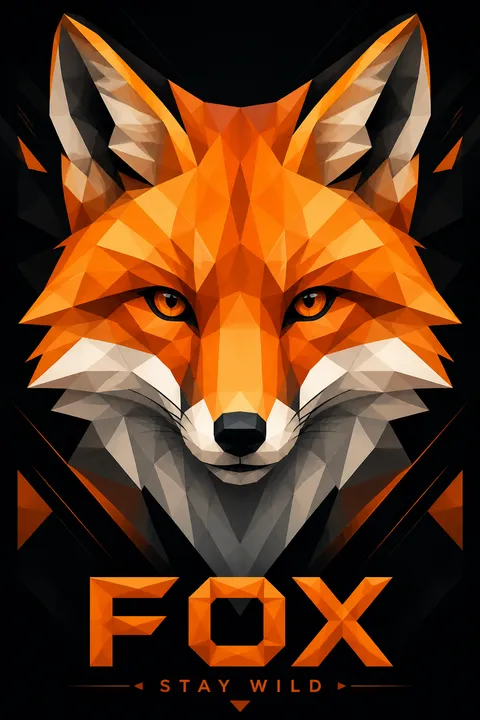
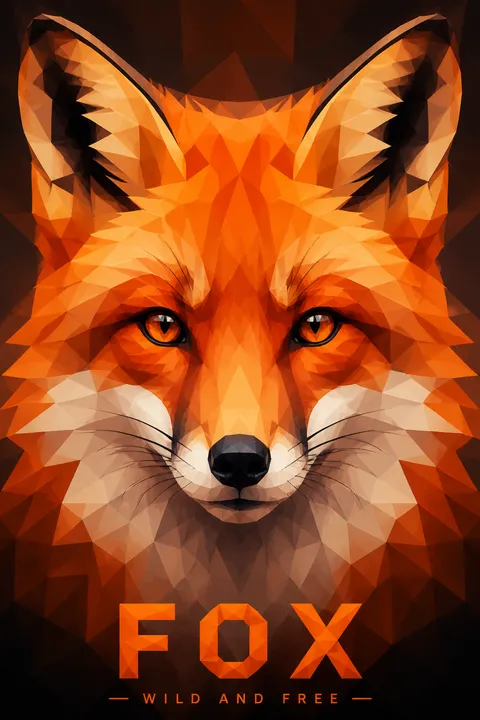
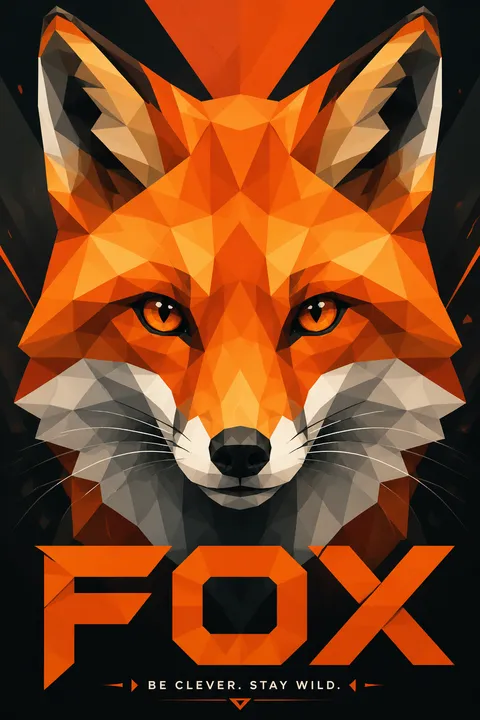
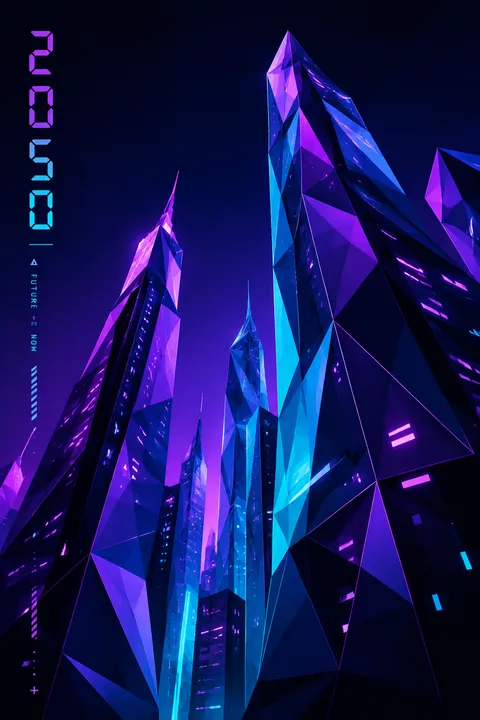
The Art of Low Poly?

Turn Ideas into Art in Seconds
Describe Your Vision
Simply type your idea or concept for the poster.
Select Low Poly Style
Our AI applies the specific Low Poly design rules to your concept.
Customize & Download
Fine-tune colors, add text, and export in high-resolution.
Why Designers Choose Us
The professional choice for AI-generated design
Instant Speed
Results in < 30s
CC0 License
100% Commercial Use
Fully Editable
Layer-by-layer control
High Res
Print-ready quality
About Low Poly Design
History of Low Poly
Design Philosophy
Related Keywords
Low Poly FAQ
Quick answers about designing Low Poly posters.
What defines low-poly as an art style?
Low-poly creates images using minimal polygon counts, resulting in angular, faceted surfaces that embrace visible geometric structure rather than smooth realism. The style features flat-shaded triangular or polygonal faces, sharp edges, and deliberate abstraction. While originating from technical limitations in early 3D graphics, low-poly has evolved into an intentional aesthetic choice that emphasizes form, color, and mood over detailed surface textures.
How did low-poly evolve from technical necessity to artistic style?
Early 3D games used few polygons due to hardware constraints, creating blocky but recognizable forms. Around 2013, artists began celebrating rather than hiding these geometric limitations, recognizing how fewer polygons sharpen focus on essential artistic elements. The style transformed from compromise into deliberate creative choice. Today's low-poly artists work with full polygon capabilities but choose restraint for its distinctive visual identity and timeless appeal.
What subjects work particularly well in low-poly style?
Animals and portraits benefit from low-poly's ability to capture essential features through geometric abstraction. Landscapes translate beautifully, with faceted mountains, angular trees, and crystalline water creating dreamlike scenes. Architectural subjects gain modernist clarity. The style suits any subject where simplified geometry can express character—vehicles, food, nature, and abstract compositions all find effective low-poly interpretations.
Why has low-poly remained popular in contemporary design?
Low-poly offers practical advantages: reduced rendering demands enable smooth performance across devices, and the style creates distinctive branding that stands out from photorealistic content. Aesthetically, the angular facets create interesting light interactions and a modern, digital-native quality. The style bridges 2D and 3D sensibilities, appearing in posters, animations, games, and even physical sculptures and tattoos, proving its versatility across media.
Ready to design your next poster?
Create Low Poly Poster