
Lithograph Posters
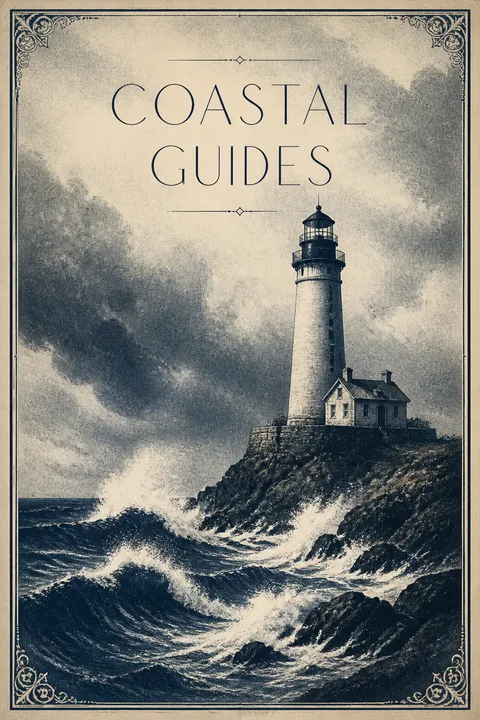
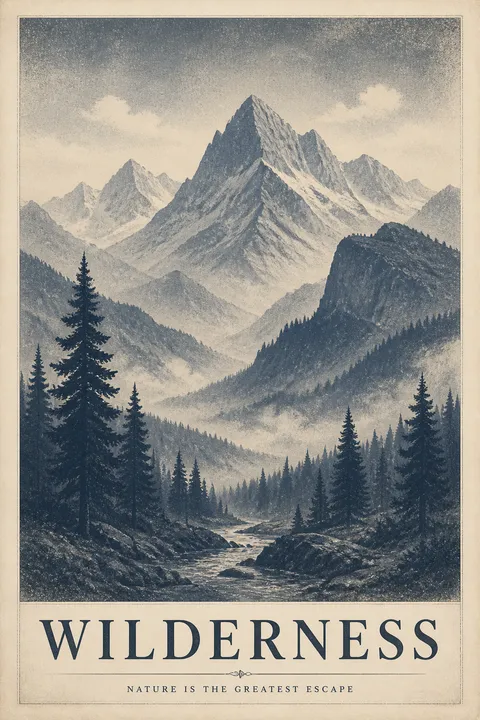
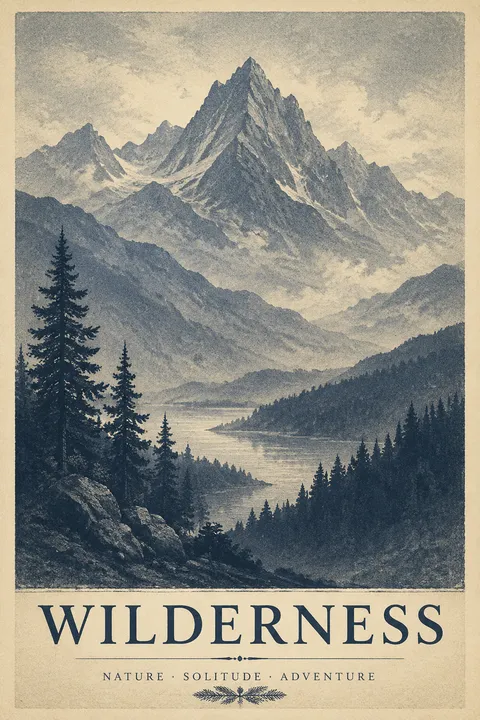
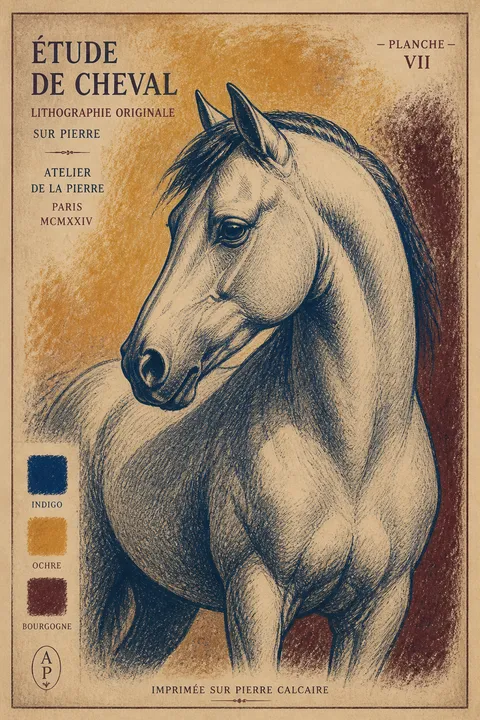
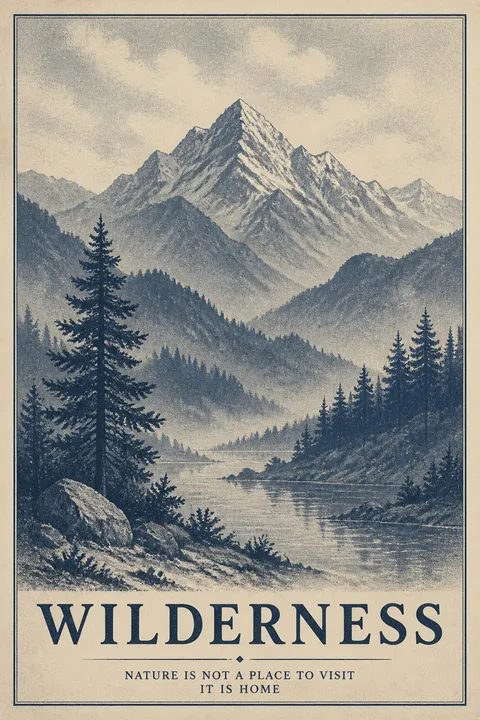
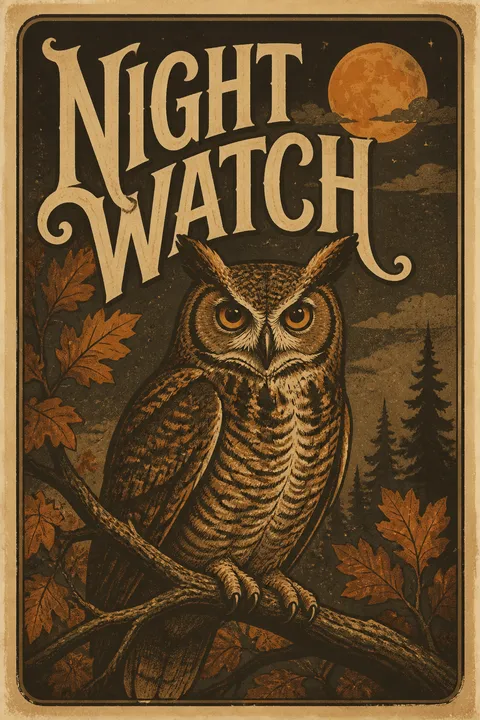
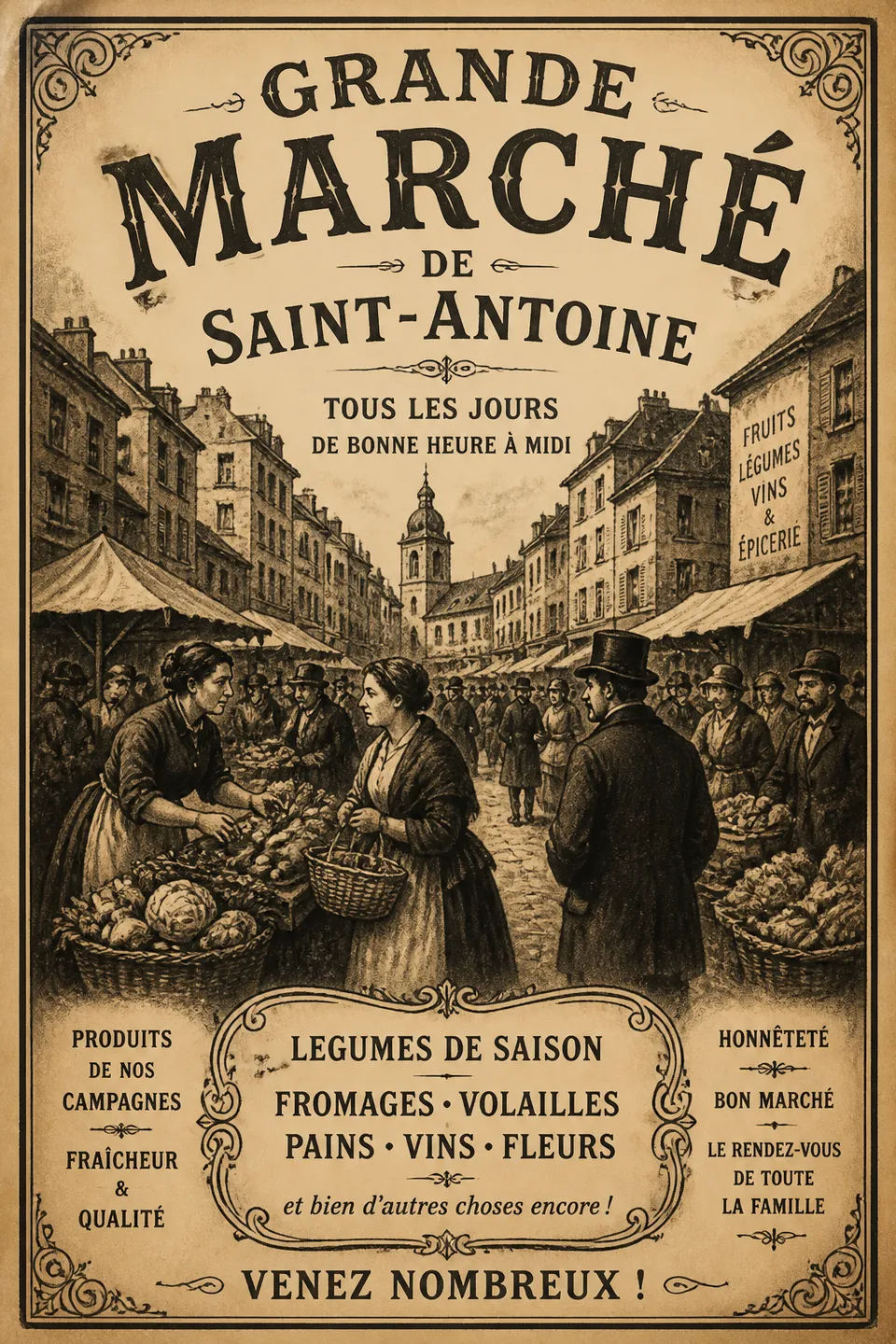
Invented in Bavaria by Alois Senefelder in 1796, lithography introduced a planographic printing method that empowered artists to draw directly onto stone, revolutionizing both fine art and mass communication. The philosophy of lithograph design centers on honoring the subtle tonal transitions, crayon-like textures, and handcrafted variations inherent to the process, valuing the expressive immediacy and refined artistry unique to stone-printed imagery.
5 credits for new user registration. No credit card required.
Create Your Own Lithograph Poster
Use our AI generator to design Lithograph posters in seconds with full commercial rights.
Create Lithograph Poster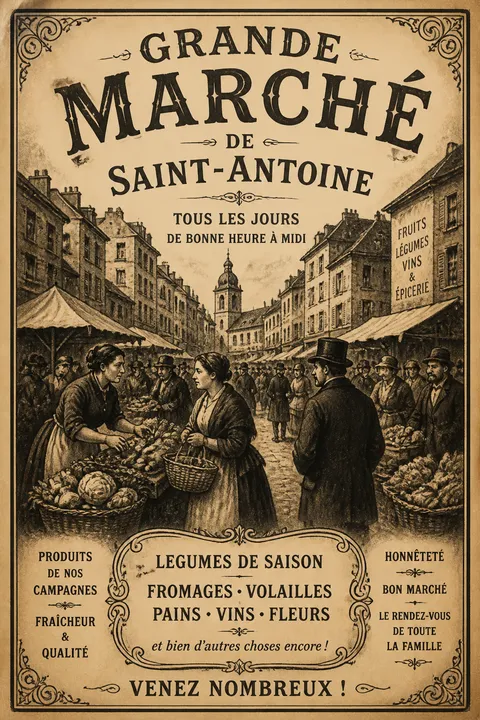

The Art of Lithograph?
Turn Ideas into Art in Seconds
Describe Your Vision
Simply type your idea or concept for the poster.
Select Lithograph Style
Our AI applies the specific Lithograph design rules to your concept.
Customize & Download
Fine-tune colors, add text, and export in high-resolution.
Why Designers Choose Us
The professional choice for AI-generated design
Instant Speed
Results in < 30s
CC0 License
100% Commercial Use
Fully Editable
Layer-by-layer control
High Res
Print-ready quality
About Lithograph Design
History of Lithograph
Design Philosophy
Related Keywords
Lithograph FAQ
Quick answers about designing Lithograph posters.
What makes lithography unique among printmaking techniques?
Lithography is a planographic process based on the principle that oil and water don't mix. Unlike relief or intaglio methods requiring carved or etched surfaces, lithography works on flat limestone or metal plates. Artists draw directly with greasy materials, and the chemistry separates inked drawing areas from water-repelled blank spaces. This allows lithography to closely reproduce the spontaneous qualities of drawing, making it remarkably versatile.
What visual qualities characterize lithographic prints?
Lithographs capture the full range of drawing marks—from delicate pencil textures to bold crayon strokes and fluid brush effects. The medium excels at subtle tonal gradations impossible with other printmaking methods. Colors can be layered through multiple stones, creating rich, nuanced palettes. The printed surface shows slightly raised ink that adds tactile dimension. Each impression carries the direct, painterly quality of the artist's hand.
How do original lithographs differ from offset reproductions?
Original lithographs involve artists drawing directly on stone or plate, then hand-printing limited editions. Each print is considered an original artwork, typically signed and numbered. Offset lithography is a commercial process where images transfer via rubber rollers, producing unlimited identical copies for mass reproduction. Original lithographs show subtle variations between impressions and command significantly higher value as fine art.
Which master artists championed lithography as a fine art medium?
Toulouse-Lautrec elevated lithography through iconic Parisian posters. Honoré Daumier created thousands of satirical lithographs. Picasso, Matisse, and Chagall produced extensive lithographic works. M.C. Escher mastered the medium for his impossible architectural prints. Jasper Johns and Robert Rauschenberg brought lithography into contemporary art. The technique attracted artists seeking direct, painterly expression combined with the ability to create multiple originals.
Ready to design your next poster?
Create Lithograph Poster