
Linocut Posters
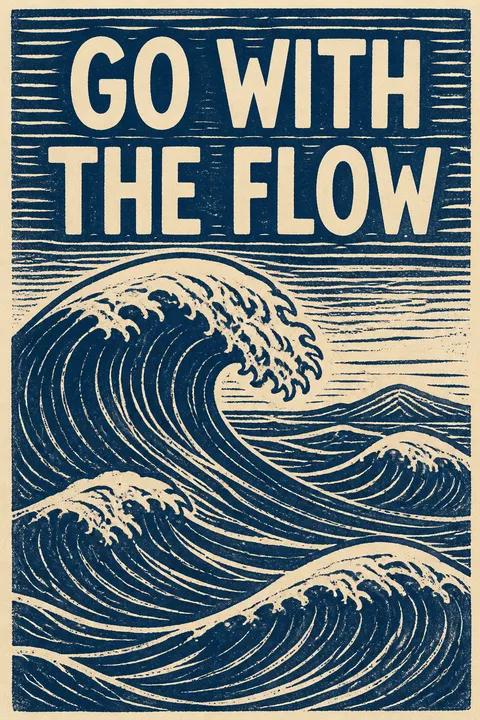
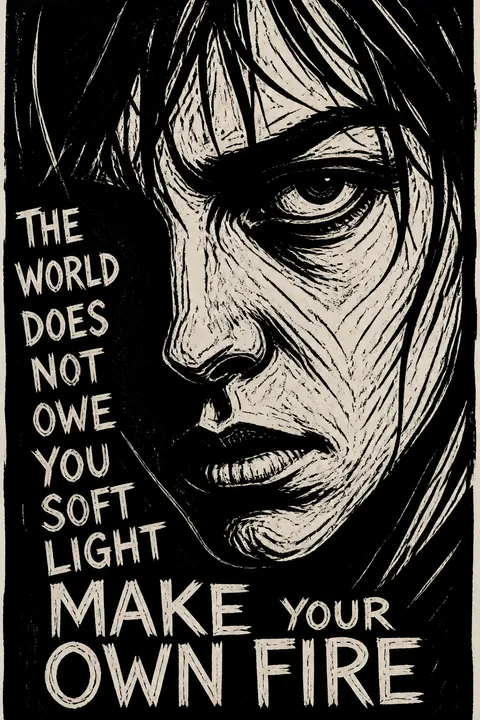
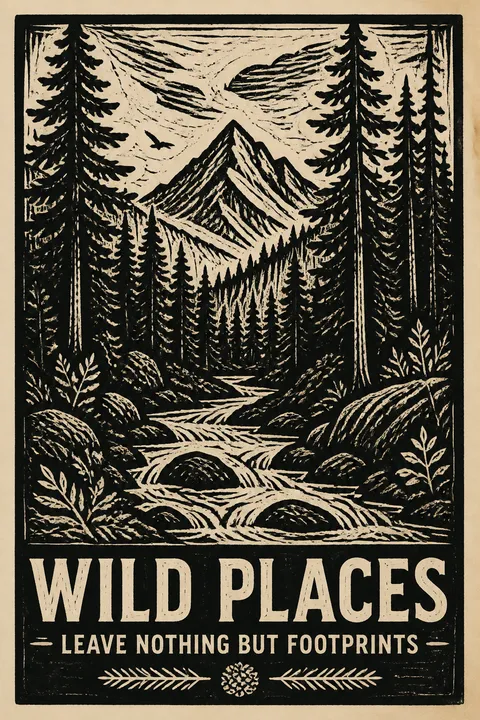
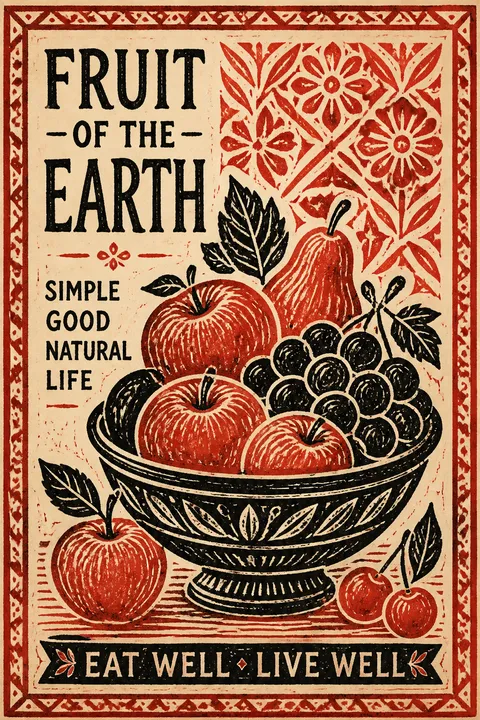
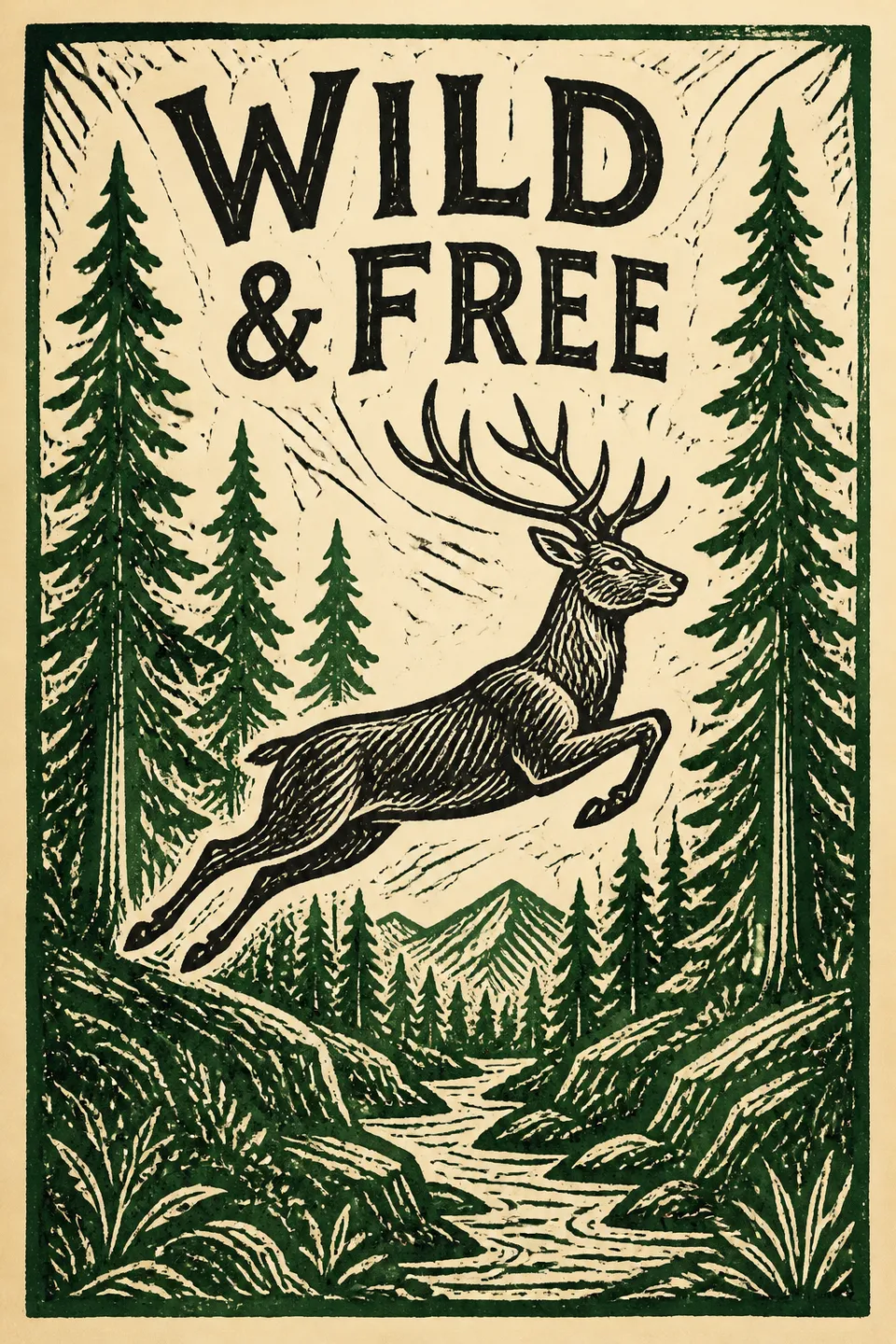
Linocut originated in the early 20th century as artists in Germany and beyond embraced linoleum as an accessible alternative to wood for relief printing, with figures like Erich Heckel and later Pablo Picasso expanding its expressive range. The approach values the material’s inherent constraints—bold contrasts, visible carving marks, and directness—treating each cut as an expressive gesture that foregrounds the act of making and the tactile presence of the printed surface.
5 credits for new user registration. No credit card required.
Create Your Own Linocut Poster
Use our AI generator to design Linocut posters in seconds with full commercial rights.
Create Linocut Poster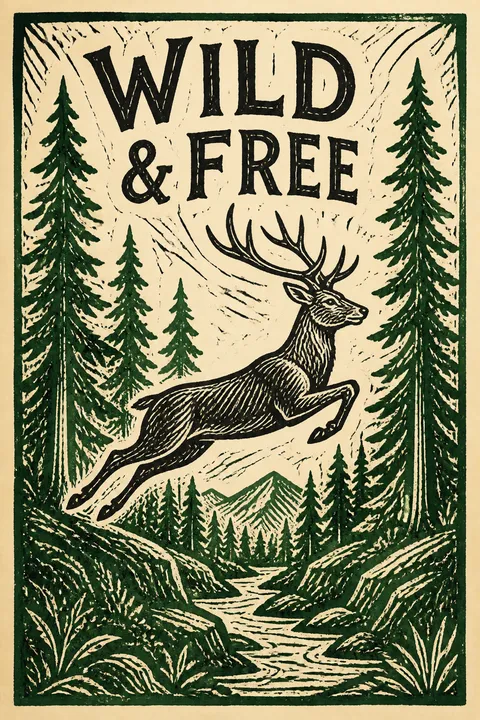
The Art of Linocut?
Turn Ideas into Art in Seconds
Describe Your Vision
Simply type your idea or concept for the poster.
Select Linocut Style
Our AI applies the specific Linocut design rules to your concept.
Customize & Download
Fine-tune colors, add text, and export in high-resolution.
Why Designers Choose Us
The professional choice for AI-generated design
Instant Speed
Results in < 30s
CC0 License
100% Commercial Use
Fully Editable
Layer-by-layer control
High Res
Print-ready quality
About Linocut Design
History of Linocut
Design Philosophy
Related Keywords
Linocut FAQ
Quick answers about designing Linocut posters.
What distinguishes linocut from other printmaking styles?
Linocut is a relief printmaking technique where artists carve into linoleum sheets, leaving raised areas that receive ink while carved portions remain blank. Unlike woodcut, linoleum lacks grain, allowing artists to carve freely in any direction with greater precision. This produces bold, expressive imagery with clean edges and strong graphic impact. The medium naturally creates high-contrast compositions with distinctive handcrafted character.
What visual characteristics make linocut artwork recognizable?
Linocut prints feature characteristic bold lines, stark contrast between inked and carved areas, and visible tool marks that add texture and authenticity. The medium encourages graphic simplicity—fine details are difficult, pushing artists toward confident, decisive marks. Colors appear flat and solid, and the printing process creates slight variations between impressions. The handmade quality gives each print unique imperfections and tactile appeal.
How does the reduction linocut technique create multi-colored prints?
Reduction linocut involves progressively carving away more material from a single block between color layers. Artists print the lightest color first, then carve away areas to remain that color before printing the next hue. This continues until the final, usually darkest, layer completes the image. The technique requires careful planning since each carving stage is irreversible—the original block cannot be reprinted.
Which famous artists elevated linocut to fine art status?
Pablo Picasso revolutionized linocut with innovative reduction techniques, creating iconic multicolor prints. Henri Matisse explored bold, simplified forms through the medium. The Expressionist movement embraced linocut for its raw, direct quality ideal for emotional expression. The Grosvenor School artists in 1920s-30s Britain created sophisticated Art Deco linocuts. Today, contemporary artists continue expanding the medium's possibilities while honoring its accessible, democratic nature.
Ready to design your next poster?
Create Linocut Poster