
Line Art Posters
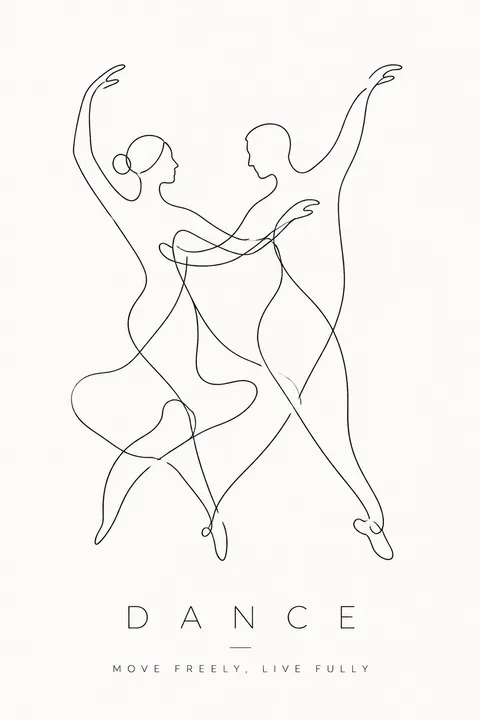
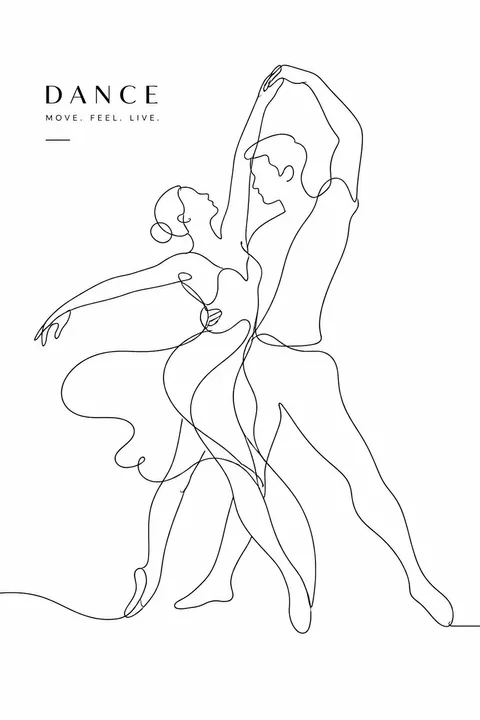
Tracing its lineage to prehistoric cave paintings and refined through the academic rigor of artists like Ingres, line art has evolved from a foundational drawing exercise to an expressive artistic language championed by Beardsley, Matisse, and Picasso. Its philosophy asserts that the essence of any subject is captured through contour alone, privileging outline over embellishment and inviting viewers to find meaning in what is left unfilled.
5 credits for new user registration. No credit card required.
Create Your Own Line Art Poster
Use our AI generator to design Line Art posters in seconds with full commercial rights.
Create Line Art Poster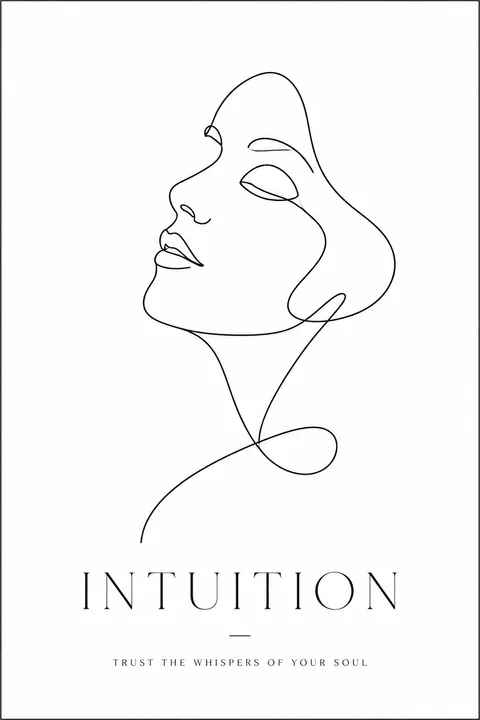
The Art of Line Art?
Turn Ideas into Art in Seconds
Describe Your Vision
Simply type your idea or concept for the poster.
Select Line Art Style
Our AI applies the specific Line Art design rules to your concept.
Customize & Download
Fine-tune colors, add text, and export in high-resolution.
Why Designers Choose Us
The professional choice for AI-generated design
Instant Speed
Results in < 30s
CC0 License
100% Commercial Use
Fully Editable
Layer-by-layer control
High Res
Print-ready quality
About Line Art Design
History of Line Art
Design Philosophy
Related Keywords
Line Art FAQ
Quick answers about designing Line Art posters.
What defines line art as an illustration style?
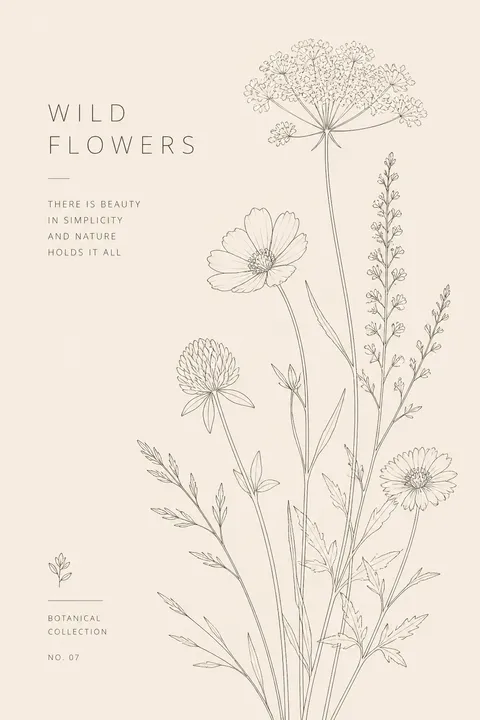
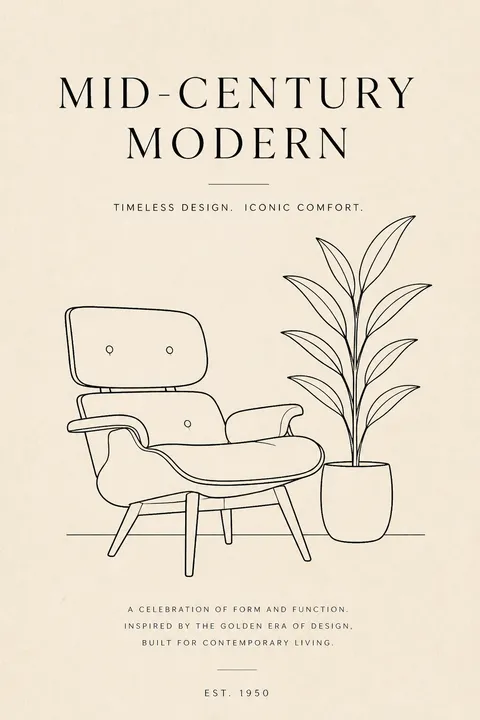
Line art creates images using only distinct lines without gradients, shading, or color fills. The style relies on strokes of varying weights, angles, and curves to suggest form and depth against plain backgrounds. Typically monochromatic (often black on white), line art emphasizes contour, shape, and essential features through pure linear expression. The result is clean, versatile imagery that communicates with elegant simplicity.
What techniques do line artists use to create depth and dimension?
Artists achieve depth through several methods: hatching uses parallel lines at angles, with closer spacing creating darker areas. Cross-hatching adds perpendicular lines for richer shadows. Line weight variation suggests light and shadow—heavier lines indicate shadow, lighter lines show illuminated areas. Contour drawing emphasizes edges and forms, while stippling creates tone through dot density rather than continuous lines.
What is one-line art and why is it popular?
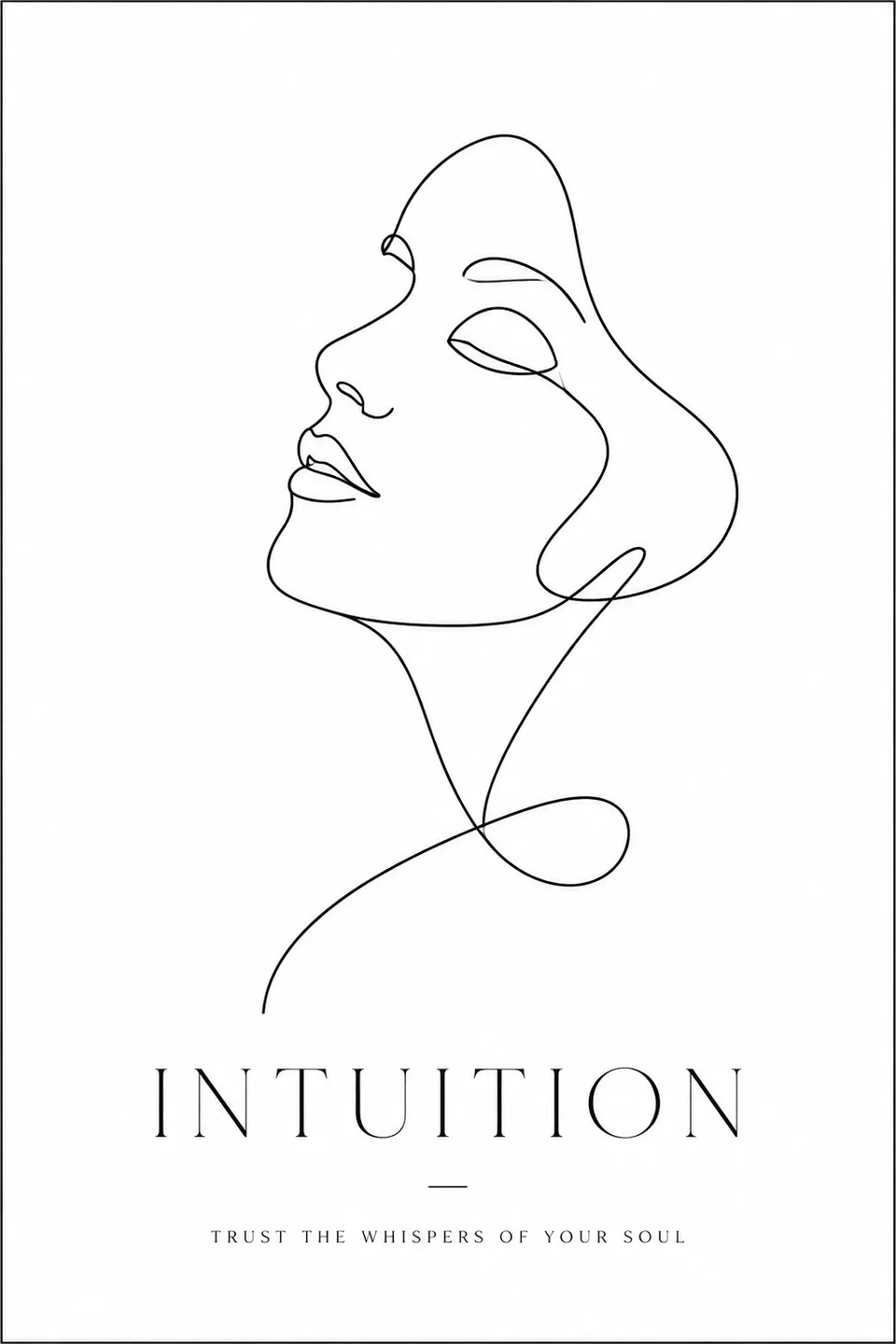
One-line art challenges artists to complete entire images without lifting the drawing tool from the surface. This technique produces uniquely fluid compositions where every element connects through a continuous path. The style has gained popularity for its meditative creation process and the elegant, unified results. One-line drawings often capture portraits, figures, or objects with remarkable expressiveness despite the strict constraint.
Where is line art commonly applied in modern design?
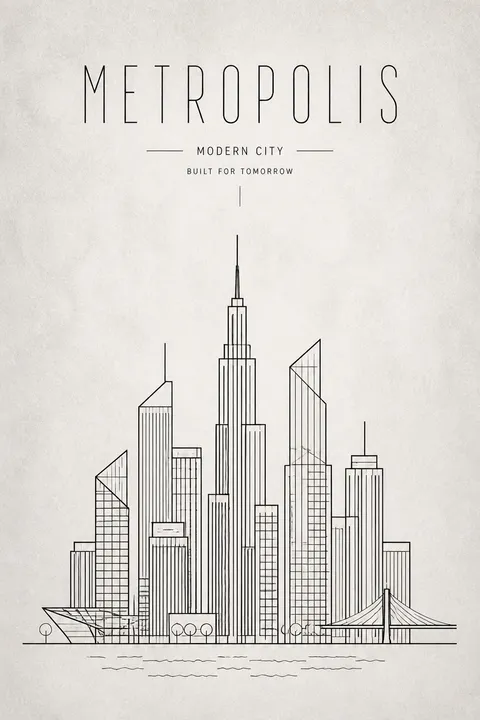
Line art thrives across diverse applications: logos and brand identities benefit from its scalability and clarity at any size. Editorial illustrations use line art for sophisticated visual commentary. Book illustrations, comic panels, and graphic novels rely on line work as their foundation. Digital interfaces employ line icons for clean navigation. The style also appears in tattoo design, product packaging, and architectural visualization.
Ready to design your next poster?
Create Line Art Poster