
Infrared Posters
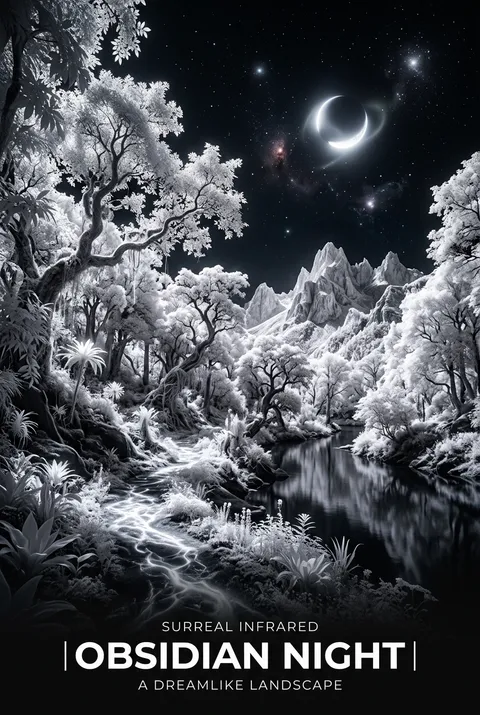
Infrared photography originated in the early 20th century, first serving scientific and military purposes before capturing the imagination of artists like Minor White. Its philosophy challenges the limits of ordinary perception, revealing dimensions hidden beyond the visible spectrum. By using invisible light to transform familiar scenes, infrared design evokes an uncanny reality where the everyday becomes strange and contemplative.
5 credits for new user registration. No credit card required.
Create Your Own Infrared Poster
Use our AI generator to design Infrared posters in seconds with full commercial rights.
Create Infrared Poster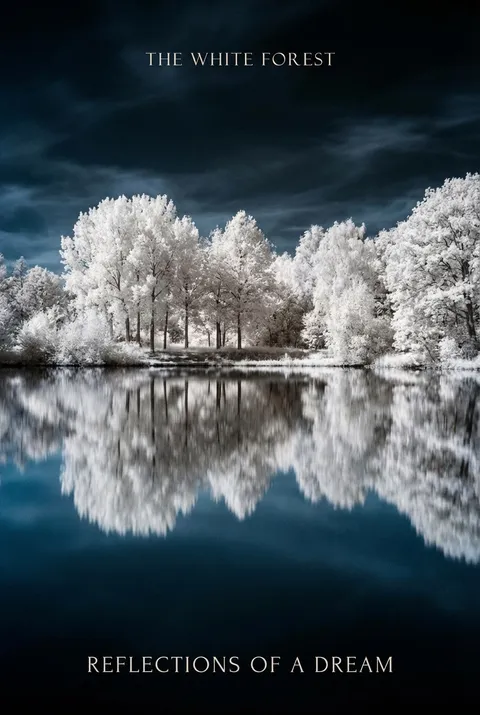

Turn Ideas into Art in Seconds
Describe Your Vision
Simply type your idea or concept for the poster.
Select Infrared Style
Our AI applies the specific Infrared design rules to your concept.
Customize & Download
Fine-tune colors, add text, and export in high-resolution.
Why Designers Choose Us
The professional choice for AI-generated design
Instant Speed
Results in < 30s
CC0 License
100% Commercial Use
Fully Editable
Layer-by-layer control
High Res
Print-ready quality
About Infrared Design
History of Infrared
Design Philosophy
Related Keywords
Infrared FAQ
Quick answers about designing Infrared posters.
What makes infrared photography visually distinctive?
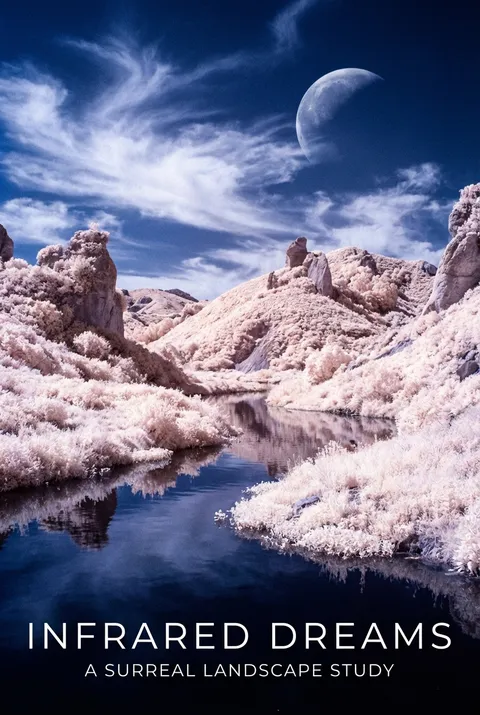
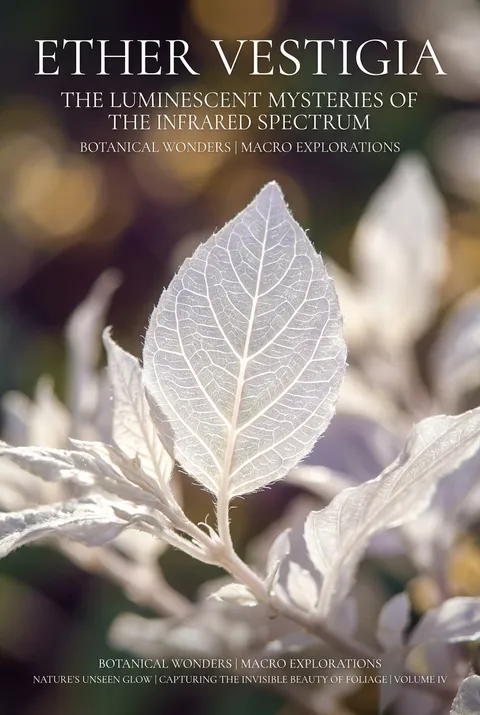
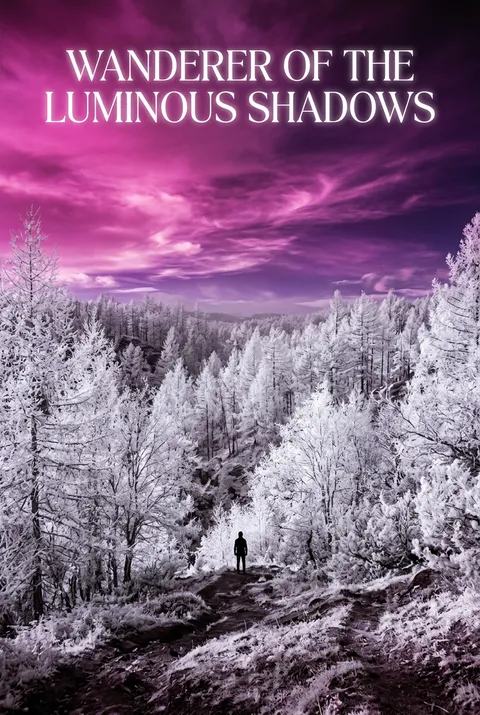
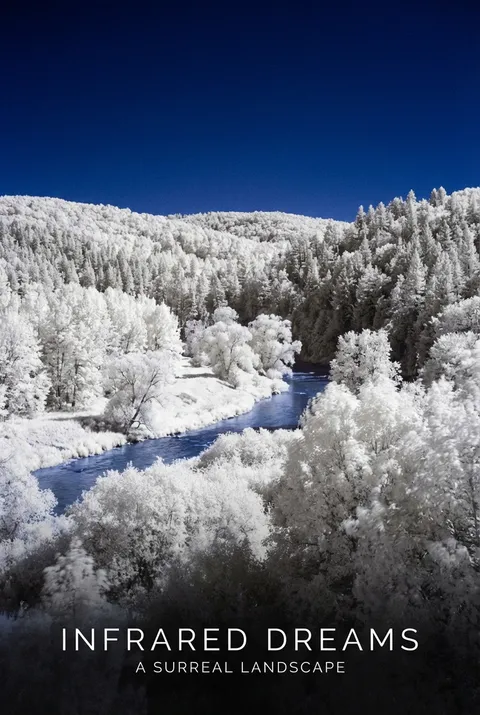
Infrared photography captures light beyond human vision (wavelengths above 700nm), creating surreal imagery with signature characteristics. The most striking feature is the Wood effect, where green foliage appears brilliant white because leaves strongly reflect infrared light. Skies become dramatically dark, clouds stand out with intense contrast, and atmospheric haze virtually disappears, producing dreamlike landscapes unlike anything visible to the naked eye.
How does infrared photography affect portraits and skin?
Infrared light penetrates a few millimeters into skin tissue, giving portraits an ethereal, milky appearance. Skin appears smooth and almost luminous, while eyes often appear unusually dark since the iris absorbs infrared light. Veins beneath the skin may become visible, and blemishes are often minimized. This creates an otherworldly, ghostly quality that works beautifully for artistic and fine art portraiture.
What subjects work best for infrared-style posters?
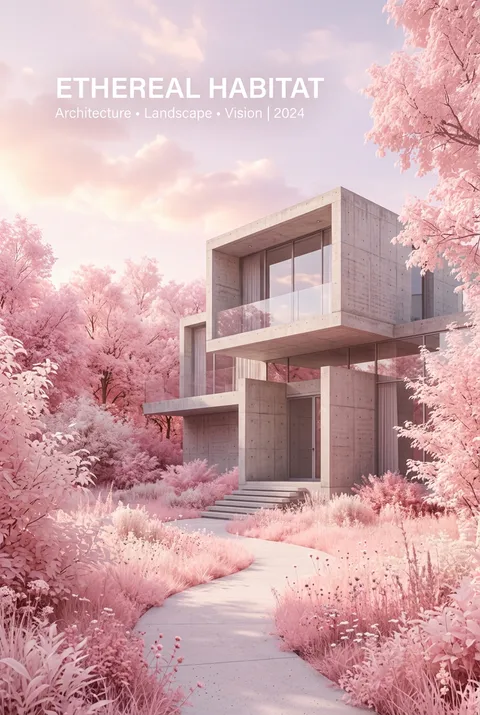
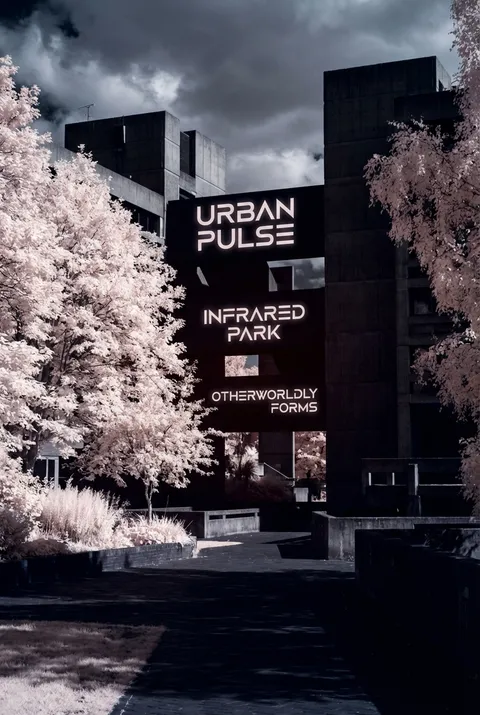
Landscapes with abundant vegetation produce the most dramatic infrared effects, with white foliage contrasting against dark skies. Architectural subjects gain an antique, timeless quality as materials reflect infrared differently than visible light. Water creates dark, mirror-like reflections, and scenes shot around midday when infrared radiation peaks yield the strongest effects. The style suits dreamlike, surreal, or fantasy-themed artwork.
Can infrared effects be achieved digitally for poster design?
Yes, digital post-processing can simulate infrared aesthetics by manipulating color channels and applying specific adjustments. Common techniques include swapping red and blue channels, dramatically increasing contrast between sky and foliage, and adding the characteristic white glow to vegetation. While not identical to true infrared capture, these methods effectively recreate the ethereal, otherworldly atmosphere for artistic poster applications.
Ready to design your next poster?
Create Infrared Poster