
Holographic Posters
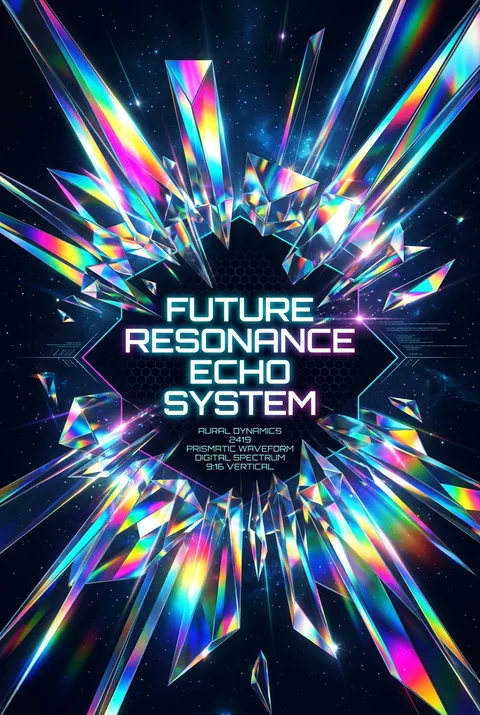
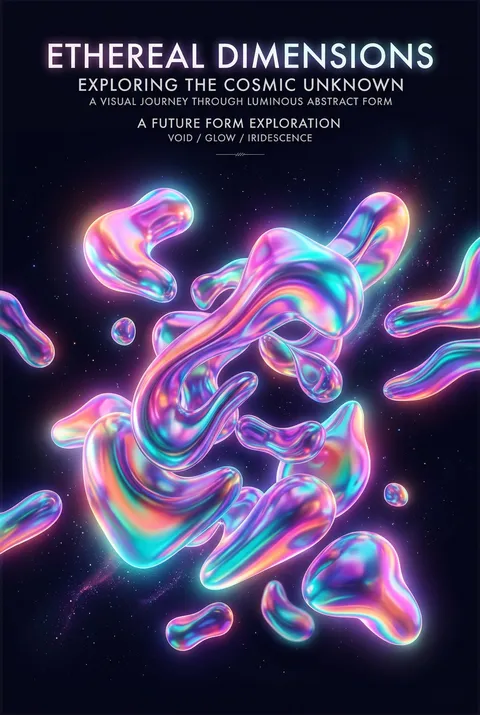
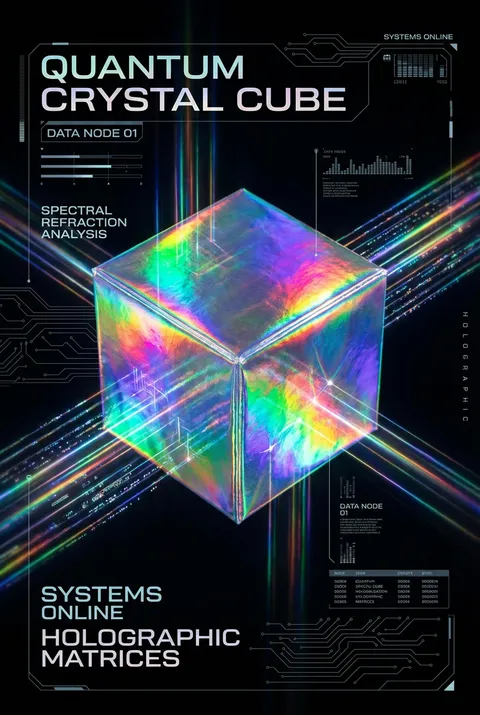
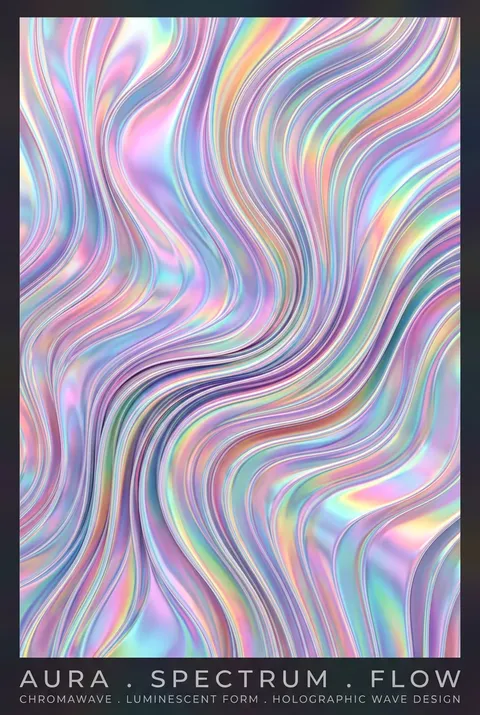
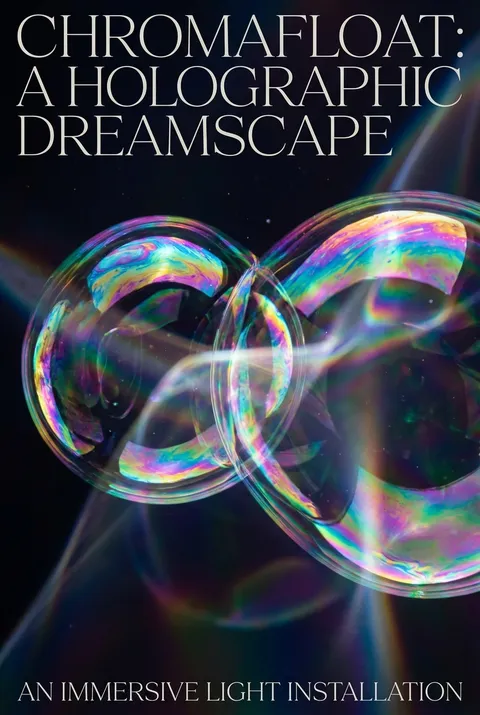
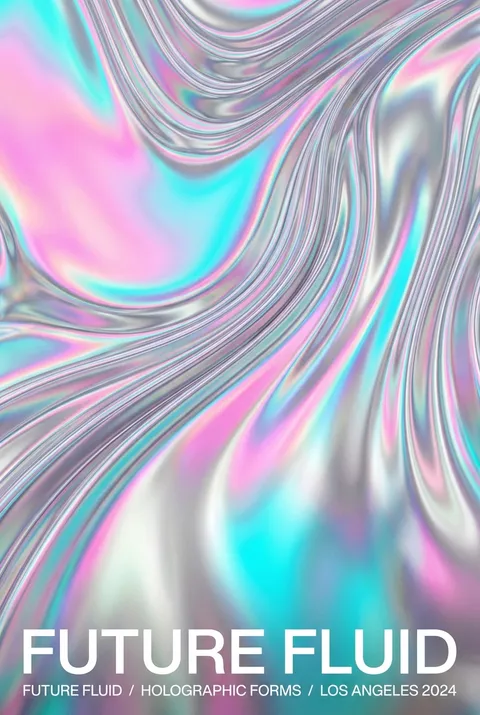
First developed as a technical innovation by Dennis Gabor in 1947, holography evolved into a design aesthetic through the iridescent, color-shifting materials popularized in late-20th-century consumer culture and revived by Y2K nostalgia. Its philosophy pursues sensory extravagance—surfaces that dazzle with chromatic excess, privileging visual spectacle and futuristic allusion over clarity or restraint. Holographic design seduces with the illusion of impossible luxury and technological wonder.
5 credits for new user registration. No credit card required.
Create Your Own Holographic Poster
Use our AI generator to design Holographic posters in seconds with full commercial rights.
Create Holographic Poster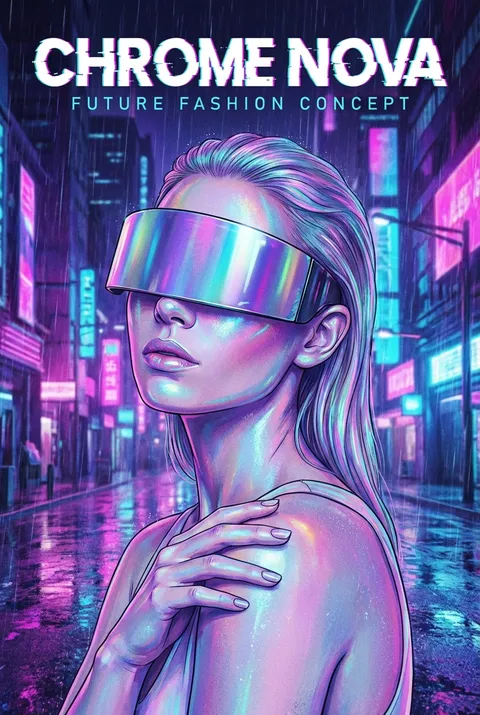
The Art of Holographic?
Turn Ideas into Art in Seconds
Describe Your Vision
Simply type your idea or concept for the poster.
Select Holographic Style
Our AI applies the specific Holographic design rules to your concept.
Customize & Download
Fine-tune colors, add text, and export in high-resolution.
Why Designers Choose Us
The professional choice for AI-generated design
Instant Speed
Results in < 30s
CC0 License
100% Commercial Use
Fully Editable
Layer-by-layer control
High Res
Print-ready quality
About Holographic Design
History of Holographic
Design Philosophy
Related Keywords
Holographic FAQ
Quick answers about designing Holographic posters.
What is holographic design and what creates its distinctive appearance?
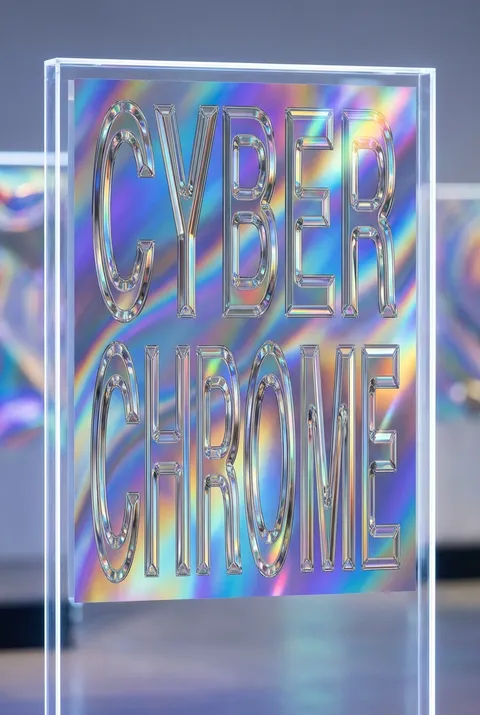
Holographic design features iridescent materials that refract light to create rainbow-like effects that shift and change based on viewing angle. Originally achieved through special foil stamping on physical materials, designers now simulate this effect digitally to bring the same prismatic quality to screen-based work. The style combines futuristic aesthetics with dynamic, eye-catching color transitions that create depth and movement.
Why has holographic design become a significant trend?
Holographic color palettes captivate audiences with their ability to create depth, movement, and visual interest unlike any static color scheme. The futuristic aesthetic appeals to brands wanting to appear innovative and forward-thinking. The dynamic quality—where colors seem to shift and transform—creates interactive experiences that engage viewers longer. This combination of luxury appeal and modern edge makes holographic design versatile across industries.
How should holographic elements be balanced in design compositions?
Use holographic effects sparingly to highlight key areas rather than overwhelming the entire design. Pair iridescent elements with neutral tones like black, white, or gray to maintain visual coherence and let the holographic sections stand out. Bold colors ensure clarity against dynamic backgrounds, while soft pastels create dreamy, ethereal effects. Strategic restraint makes holographic elements feel luxurious rather than chaotic.
What are the best applications for holographic design aesthetics?
Holographic textures excel in website headers and background elements where movement draws attention. They work beautifully for premium branding, packaging, and business cards where the quality feel matters. Social media graphics and event posters benefit from the eye-catching iridescence. Fashion and product design use holographic accents for trendy flair. The style suits technology brands, beauty products, music promotion, and any context wanting futuristic, premium appeal.
Ready to design your next poster?
Create Holographic Poster