
Halftone Posters
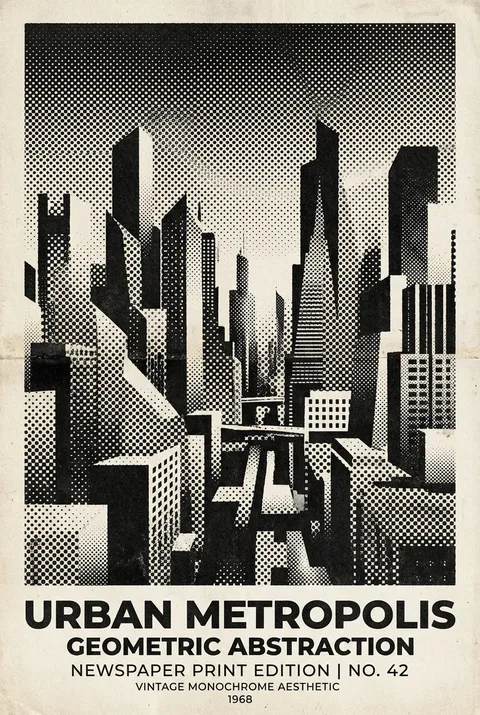
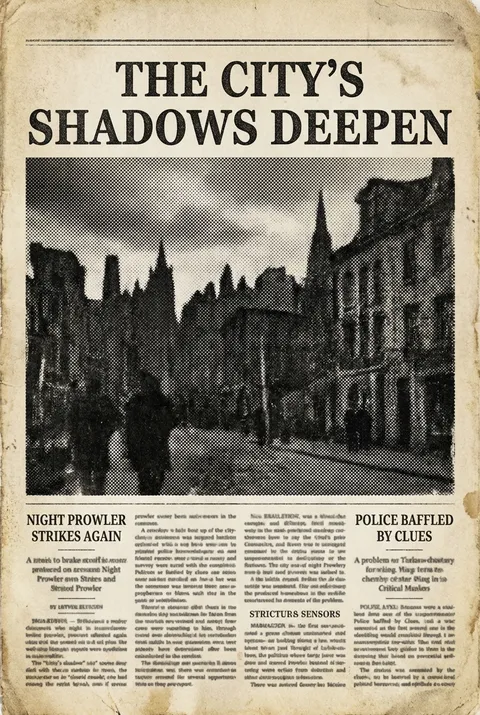
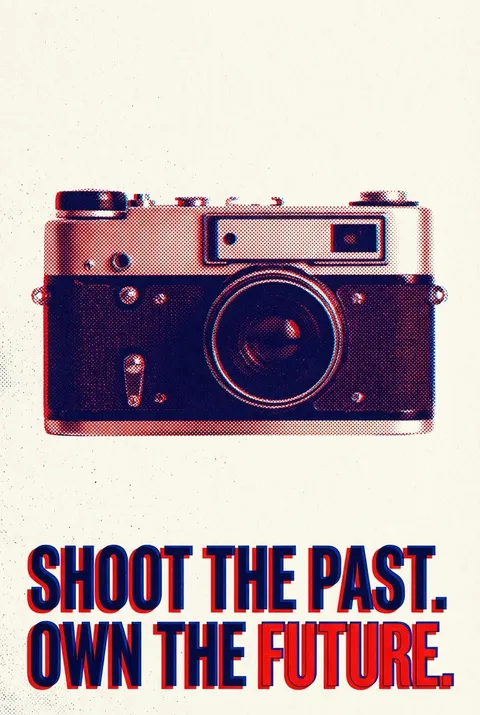
Halftone printing originated in the 1880s as a solution for reproducing photographs alongside text, pioneered by figures like William Fox Talbot to translate continuous-tone images into patterns of dots. The philosophy foregrounds the constructed nature of printed images, embracing visible dot patterns as a celebration of mechanical reproduction. Halftone design acknowledges its own materiality, turning what was once invisible process into a conscious visual language.
5 credits for new user registration. No credit card required.
Create Your Own Halftone Poster
Use our AI generator to design Halftone posters in seconds with full commercial rights.
Create Halftone Poster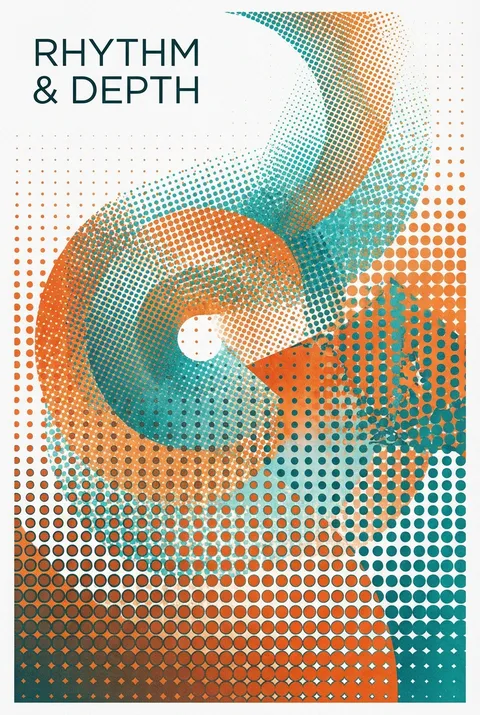
The Art of Halftone?
Turn Ideas into Art in Seconds
Describe Your Vision
Simply type your idea or concept for the poster.
Select Halftone Style
Our AI applies the specific Halftone design rules to your concept.
Customize & Download
Fine-tune colors, add text, and export in high-resolution.
Why Designers Choose Us
The professional choice for AI-generated design
Instant Speed
Results in < 30s
CC0 License
100% Commercial Use
Fully Editable
Layer-by-layer control
High Res
Print-ready quality
About Halftone Design
History of Halftone
Design Philosophy
Related Keywords
Halftone FAQ
Quick answers about designing Halftone posters.
What is halftone and how does the printing technique work?
Halftone is a reprographic technique that simulates continuous-tone imagery through dots varying in size or spacing. When these dots are small enough, the human eye perceives them as smooth tones rather than individual points. During the photographic transfer process, a fine screen breaks up images into thousands of tiny dots—larger and closer together in dark areas, smaller and farther apart in light areas.
What is the history behind halftone printing?
William Fox Talbot first proposed the concept of halftone screens in 1852, but German inventor Georg Meisenbach filed the most commercially successful patent in 1882. The technique was revolutionized by Frederic Ives in the 1880s with his screen method that precisely controlled dot size and spacing. This breakthrough allowed photographs to be reproduced in newspapers and magazines, making high-quality images accessible to the wider public.
Where is halftone commonly used in design today?
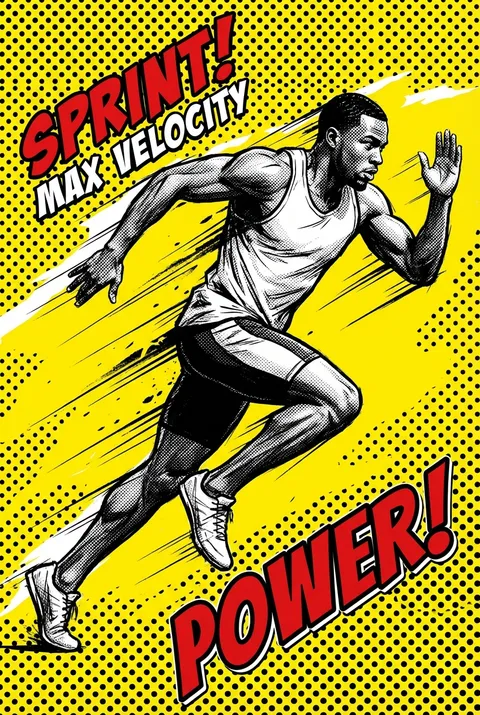
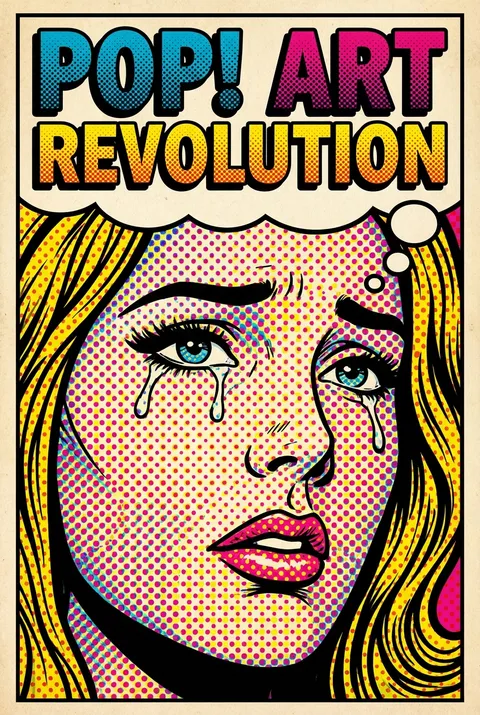
Halftone remains popular across diverse applications. In comic books and manga, it creates depth and the illusion of color in black-and-white printing. Retro and vintage designs frequently employ halftone for authentic period aesthetics. Contemporary designers use it in digital art, fashion design, and poster artwork to achieve distinctive visual effects that reference print history while feeling fresh and graphic.
How do you create halftone effects for posters and digital designs?
Most graphic design software includes halftone filters that convert images or gradients into dot patterns. You can adjust dot size, angle, and shape to achieve different effects—from subtle shading to bold graphic patterns. In color printing, halftone screens in cyan, magenta, yellow, and black create full-color reproduction through overlapping dot patterns. Experimenting with dot density and pattern angles helps achieve the desired retro or contemporary look.
Ready to design your next poster?
Create Halftone Poster