
Film Grain Posters
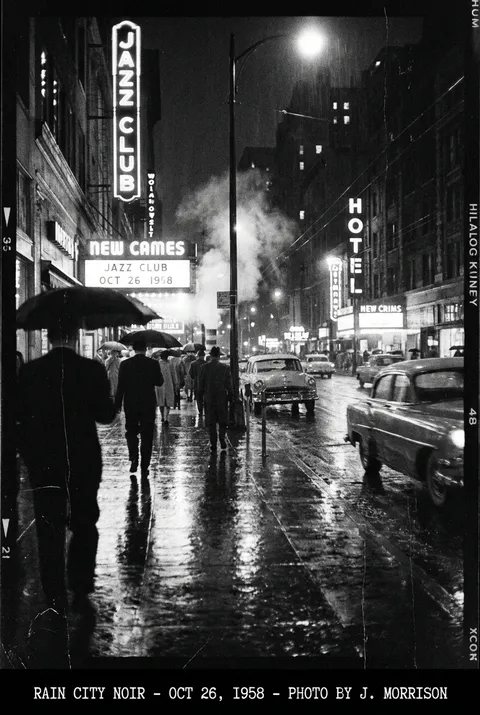
Film grain arose from the analog era of photography, when the visible texture of light-sensitive crystals was first regarded as a technical flaw and later embraced by figures like Ralph Gibson for its expressive power. The philosophy elevates imperfection as a mark of authenticity, asserting that the tactile presence of grain—the trace of light on emulsion—imbues images with warmth, nostalgia, and unmistakable human presence amid digital perfection.
5 credits for new user registration. No credit card required.
Create Your Own Film Grain Poster
Use our AI generator to design Film Grain posters in seconds with full commercial rights.
Create Film Grain Poster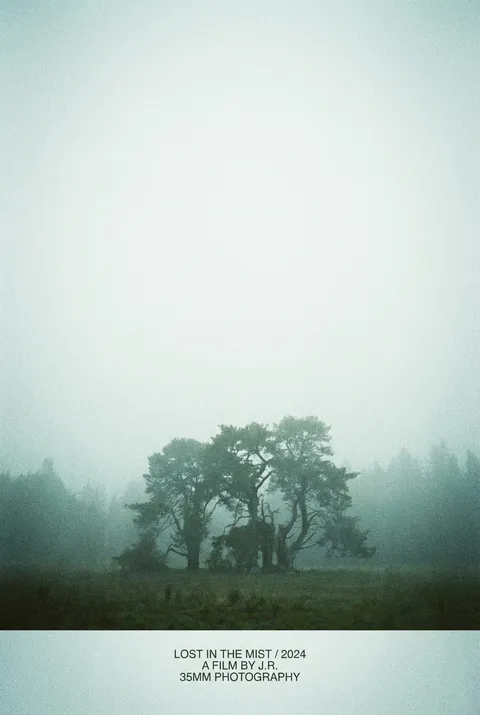

Turn Ideas into Art in Seconds
Describe Your Vision
Simply type your idea or concept for the poster.
Select Film Grain Style
Our AI applies the specific Film Grain design rules to your concept.
Customize & Download
Fine-tune colors, add text, and export in high-resolution.
Why Designers Choose Us
The professional choice for AI-generated design
Instant Speed
Results in < 30s
CC0 License
100% Commercial Use
Fully Editable
Layer-by-layer control
High Res
Print-ready quality
About Film Grain Design
History of Film Grain
Design Philosophy
Related Keywords
Film Grain FAQ
Quick answers about designing Film Grain posters.
What is film grain and why does it appear in photographs?
Film grain is an optical texture that results from the silver halide crystals used in photographic film to capture light. When exposed to light and developed, these crystals create tiny particles that form a random, organic pattern visible in the final image. The size and visibility of grain depends on the film's ISO rating—higher ISO films are more light-sensitive but produce larger, more noticeable grain structures.
How does film grain differ from digital noise?
While both appear as texture in images, film grain and digital noise have fundamentally different qualities. Film grain is organic and consistent, often adding character and a pleasing aesthetic to photographs. Digital noise, on the other hand, tends to appear more random and is generally considered an unwanted artifact. Film grain creates depth and atmosphere, while digital noise typically degrades image quality without artistic benefit.
Why do photographers and filmmakers intentionally add film grain?
Artists add film grain to evoke nostalgia, create emotional atmosphere, and give images a lived-in, authentic quality. The texture provides a sense of historical weight and can establish a specific mood or time period. In cinema, directors like Christopher Nolan have used grain deliberately to enhance tension and immersion. Grain also softens the clinical perfection of digital images, making them feel more human and tactile.
How can I add realistic film grain to digital images?
Most photo editing software offers tools for simulating film grain. In applications like Lightroom, you can adjust three key parameters: Amount controls overall intensity, Size determines particle coarseness, and Roughness affects texture evenness. For best results, study how actual film stocks like Kodak Tri-X or Ilford HP5 render grain, and aim for subtle, organic textures rather than heavy overlays that can obscure image detail.
Ready to design your next poster?
Create Film Grain Poster