
Swiss Style Posters
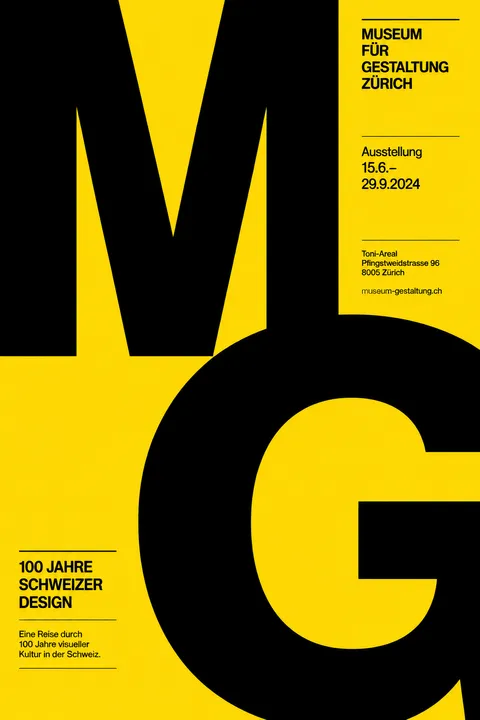
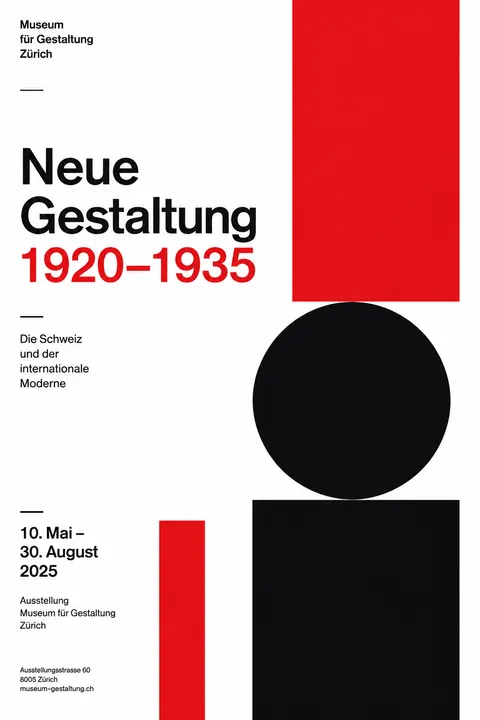
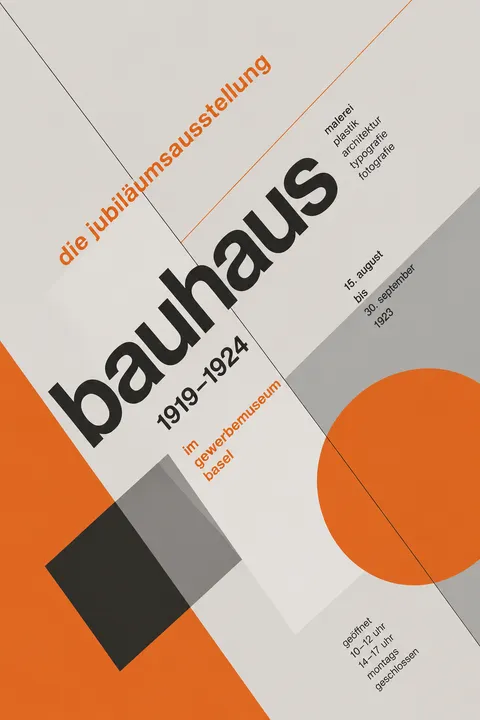
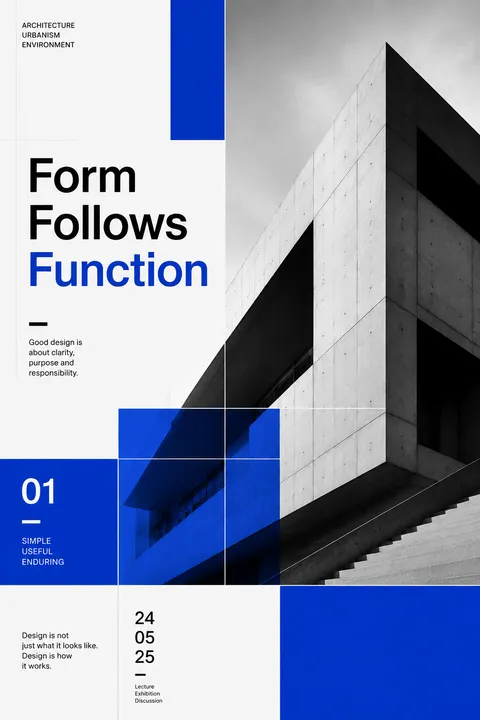
Developed in 1950s Switzerland by designers like Josef Müller-Brockmann, Armin Hofmann, and Emil Ruder, Swiss Style—also known as the International Typographic Style—built on modernist principles to establish a new visual language. Its philosophy prioritizes objective communication, employing mathematical grids, sans-serif type, and systematic layouts to ensure clarity and rational order, with personal expression subordinated to the needs of information.
5 credits for new user registration. No credit card required.
Create Your Own Swiss Style Poster
Use our AI generator to design Swiss Style posters in seconds with full commercial rights.
Create Swiss Style Poster
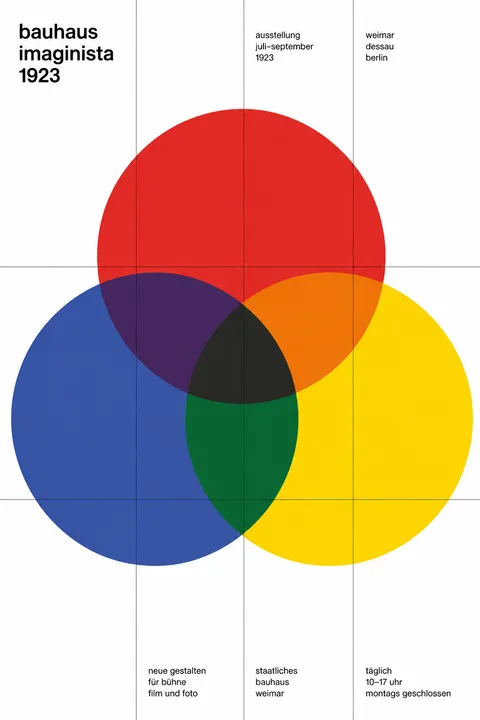
The Art of Swiss Style?

Turn Ideas into Art in Seconds
Describe Your Vision
Simply type your idea or concept for the poster.
Select Swiss Style Style
Our AI applies the specific Swiss Style design rules to your concept.
Customize & Download
Fine-tune colors, add text, and export in high-resolution.
Why Designers Choose Us
The professional choice for AI-generated design
Instant Speed
Results in < 30s
CC0 License
100% Commercial Use
Fully Editable
Layer-by-layer control
High Res
Print-ready quality
About Swiss Style Design
History of Swiss Style
Design Philosophy
Related Keywords
Swiss Style FAQ
Quick answers about designing Swiss Style posters.
What defines Swiss Style graphic design?
Swiss Style, also called International Typographic Style, emphasizes simplicity, clarity, readability, and objectivity. Developed in Switzerland during the 1940s-50s, it features mathematical grid systems, asymmetric layouts, and sans-serif typefaces like Helvetica and Univers. Content takes priority over decoration, with clean visual hierarchies that communicate information without embellishment or persuasion techniques.
Why is the grid system central to Swiss design?
The mathematical grid provides the foundation for all Swiss Style layouts, considered the most legible and harmonious method for structuring information. Pioneered by Josef Müller-Brockmann, the modular grid organizes images, text, and white space into balanced compositions. This systematic approach ensures visual consistency and creates clear hierarchies that guide readers through content logically and efficiently.
What role does typography play in Swiss Style?
Sans-serif typefaces are essential to Swiss design because they communicate clearly without the expressiveness of serif fonts. Helvetica, named after Switzerland's Latin name, became synonymous with the style. Text is typically set flush left with ragged right edges, prioritizing readability over decorative alignment. Typography serves information transfer, never competing with content for attention.
How has Swiss Style influenced modern design?
Swiss Style is considered the foundation of modern graphic design, influencing everything from corporate identity systems to digital interfaces. Its emphasis on clarity and visual hierarchy shaped contemporary branding, editorial layouts, and especially flat design in digital products. The principle that design should communicate objectively without manipulation remains influential in user experience design and information architecture today.
Ready to design your next poster?
Create Swiss Style Poster