Pop Art Posters
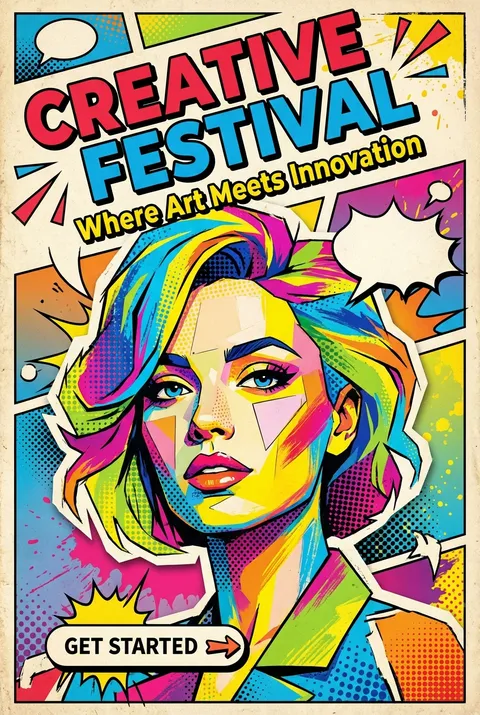
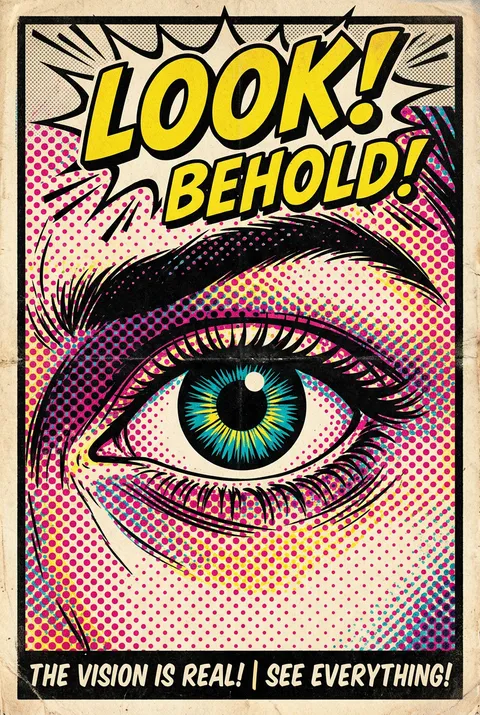
Pop Art originated in mid-1950s Britain and late-1950s America as artists like Richard Hamilton, Andy Warhol, and Roy Lichtenstein responded to the proliferation of mass media and consumer imagery. The movement’s philosophy treats commercial visuals—billboards, comics, product packaging—as both raw material and subject, celebrating their aesthetic power while transforming and critiquing their role in everyday culture.
5 credits for new user registration. No credit card required.
Create Your Own Pop Art Poster
Use our AI generator to design Pop Art posters in seconds with full commercial rights.
Create Pop Art Poster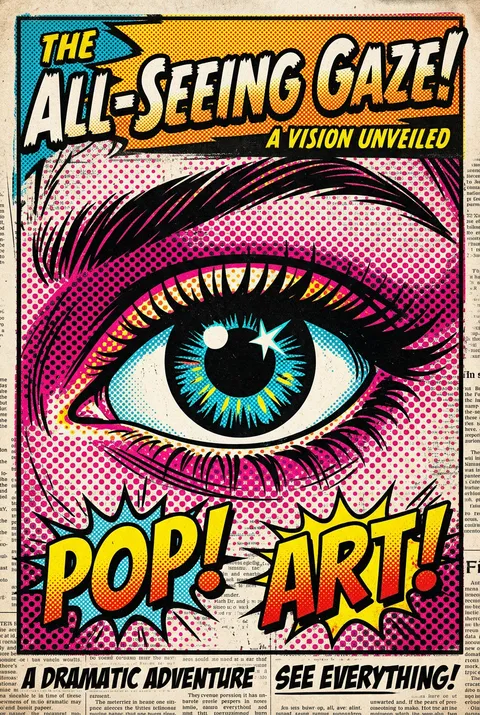
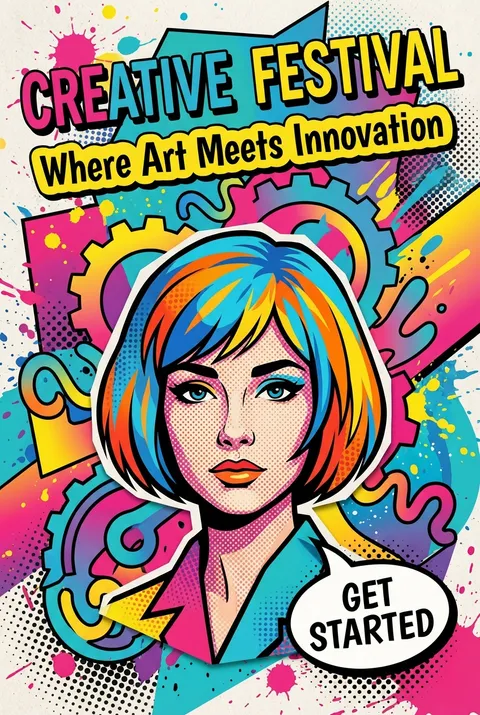
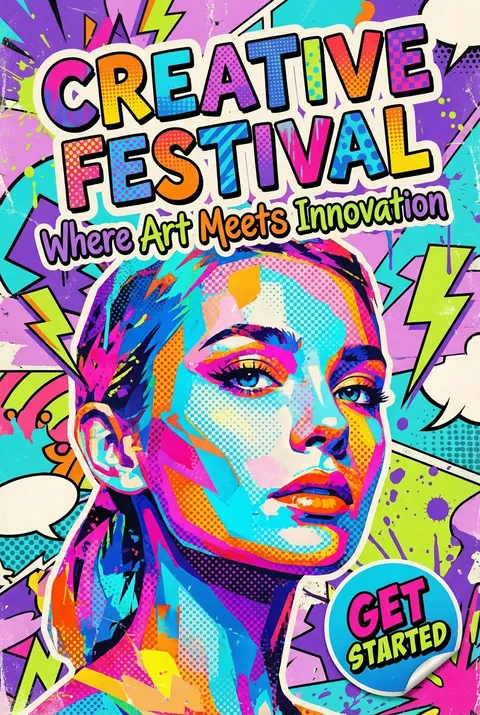
The Art of Pop Art?
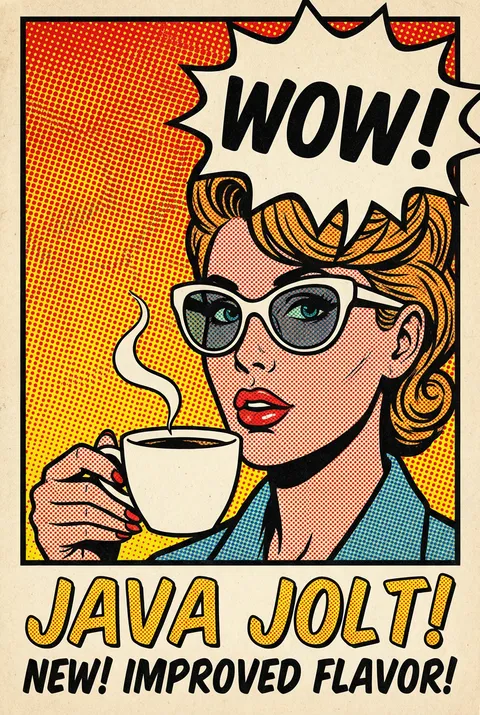
Turn Ideas into Art in Seconds
Describe Your Vision
Simply type your idea or concept for the poster.
Select Pop Art Style
Our AI applies the specific Pop Art design rules to your concept.
Customize & Download
Fine-tune colors, add text, and export in high-resolution.
Why Designers Choose Us
The professional choice for AI-generated design
Instant Speed
Results in < 30s
CC0 License
100% Commercial Use
Fully Editable
Layer-by-layer control
High Res
Print-ready quality
About Pop Art Design
History of Pop Art
Design Philosophy
Pop Art FAQ
Quick answers about designing Pop Art posters.
What is Pop Art and what subjects does it celebrate?
Pop Art emerged in the mid-1950s and 60s in Britain and America when artists created works inspired by the realities of everyday life—of popular culture. Artists such as Andy Warhol, Roy Lichtenstein, and Richard Hamilton questioned elitist culture and fine art traditions. With saturated colors and bold outlines, their vivid representations of everyday objects and everyday people reflected the optimism, affluence, materialism, leisure, and consumption of postwar society.
What are the most recognizable features of Pop Art poster design?
A celebration of mass culture, some of the most recognizable features of pop art are the bold, colorful graphics used along with an embrace of mechanized reproduction such as print and silk screen. Perhaps one of pop art's most recognizable traits is its vibrant color schemes. Back in the '50s and '60s, America prospered from an optimistic post-war mentality. Vivid colors pervaded its products, helping them stand out on shelves and eye-catching ads.
How can I create a Pop Art poster effect?
This tutorial demonstrates how you can easily turn any photo into a pop art poster. With a new document open, click File > Import. Select the photo you want to use. Click Bitmaps > Mode > Black and White (1-bit). In the Convert to 1 Bit dialog box, choose Line Art from the Conversion Method list. Duplicate the image by pressing Ctrl + D. Create three duplicates. Position the four images on the page, and select a different color for each to produce a stunning pop art result.
What typography works best for Pop Art designs?
Given the comic book influence, you're sure to find a lot of eye-catching typography when words are used in pop art designs. If you're using typography in a pop art design, think about what you want to say and how you're going to say it. In pop art's case, the how is what will give it the authentic, eye-catching look. Bold, expressive lettering that commands attention is essential.
Where can I find Pop Art poster templates?
PosterMyWall allows you to create free pop art flyers, posters, social media graphics and videos in minutes, with over 2,650+ eye-catching templates to choose from. GraphicRiver offers 1,039 pop art poster graphics, designs & templates. You can also use Big Huge Labs to turn yourself and your friends into pop art instantly—just choose a photo, select a size, and it is instantly transformed.
Ready to design your next poster?
Create Pop Art Poster