
Playful Fun Posters
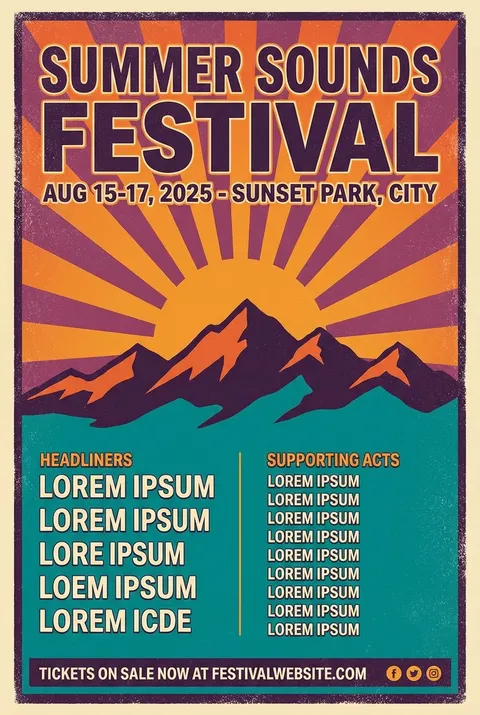
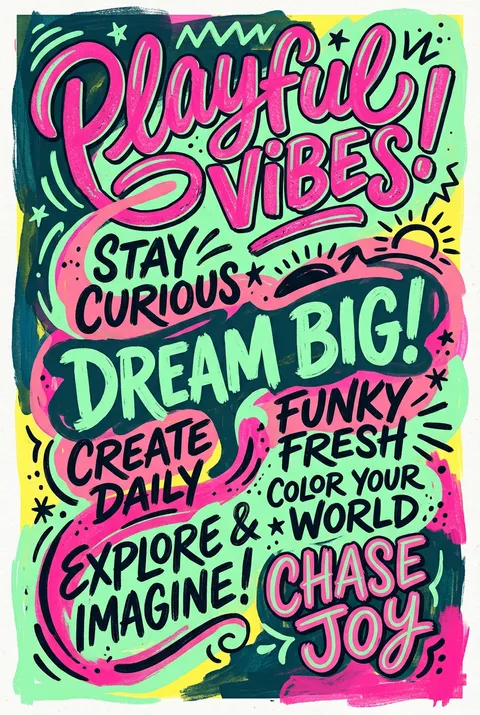
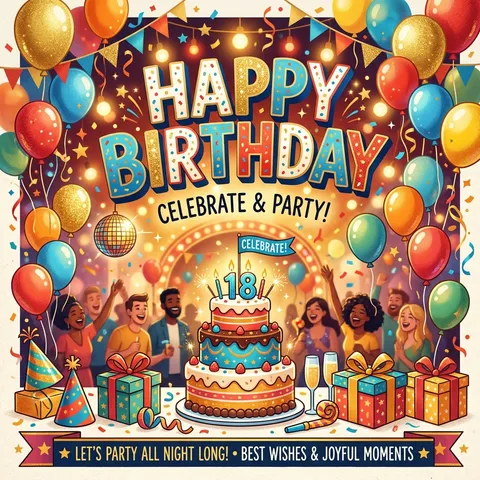
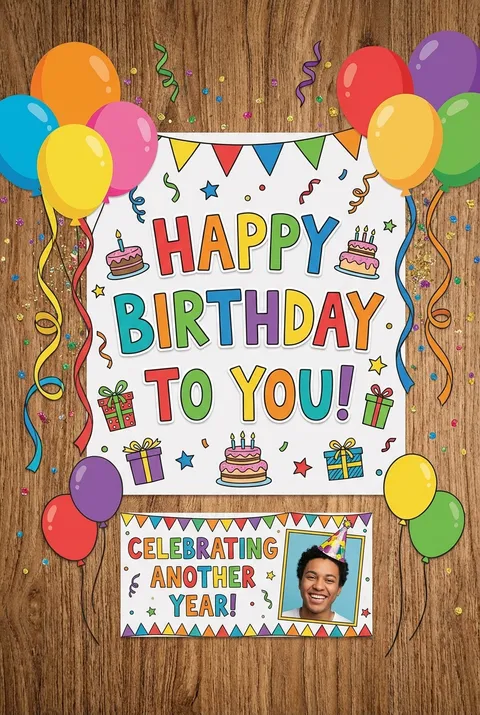
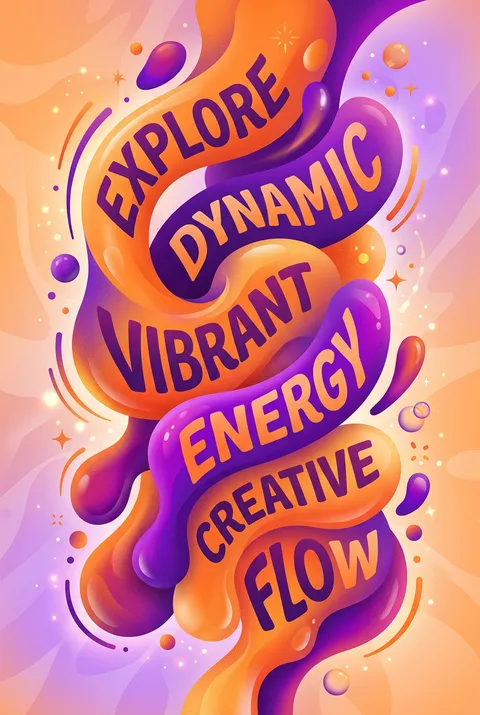
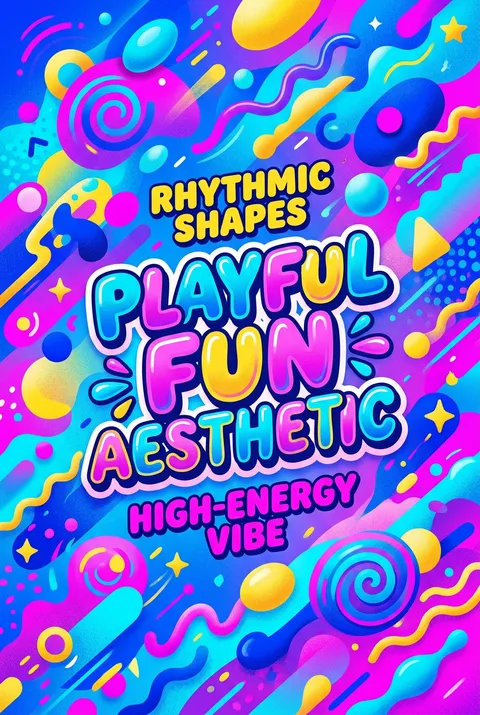
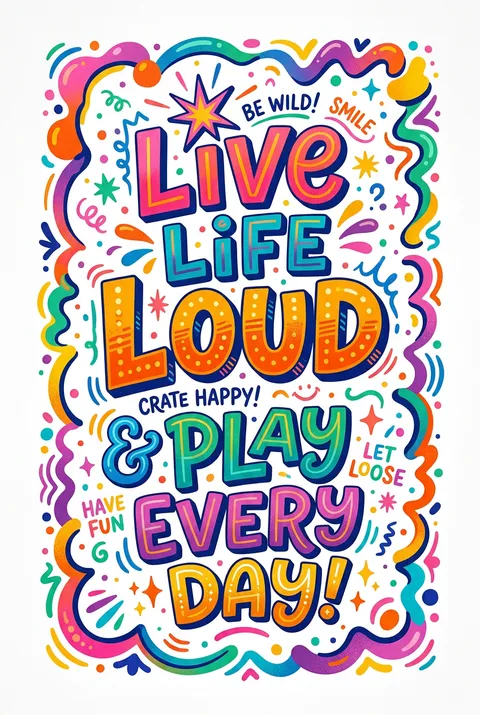
Playful design found its origins in early animation, where studios like Disney and Fleischer injected visual exuberance to captivate young audiences, later breaking into adult spheres through psychedelic and Memphis Group revolutions. At its core, this style champions delight as a functional priority, joyfully discarding the notion that seriousness demands solemnity and instead positioning visual pleasure, energy, and accessibility as design’s most inviting virtues.
5 credits for new user registration. No credit card required.
Create Your Own Playful Fun Poster
Use our AI generator to design Playful Fun posters in seconds with full commercial rights.
Create Playful Fun Poster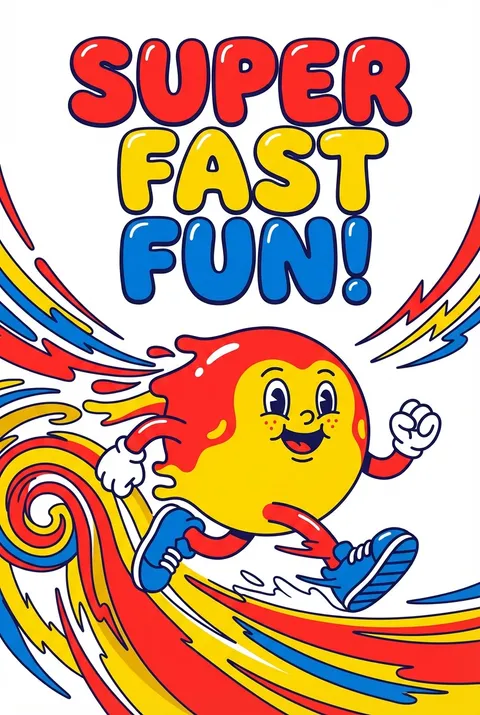
The Art of Playful Fun?
Turn Ideas into Art in Seconds
Describe Your Vision
Simply type your idea or concept for the poster.
Select Playful Fun Style
Our AI applies the specific Playful Fun design rules to your concept.
Customize & Download
Fine-tune colors, add text, and export in high-resolution.
Why Designers Choose Us
The professional choice for AI-generated design
Instant Speed
Results in < 30s
CC0 License
100% Commercial Use
Fully Editable
Layer-by-layer control
High Res
Print-ready quality
About Playful Fun Design
History of Playful Fun
Design Philosophy
Playful Fun FAQ
Quick answers about designing Playful Fun posters.
What characteristics define playful design in graphic design?
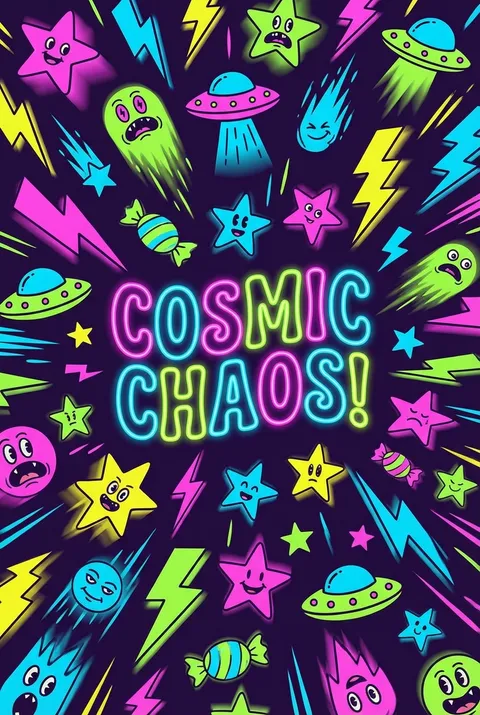
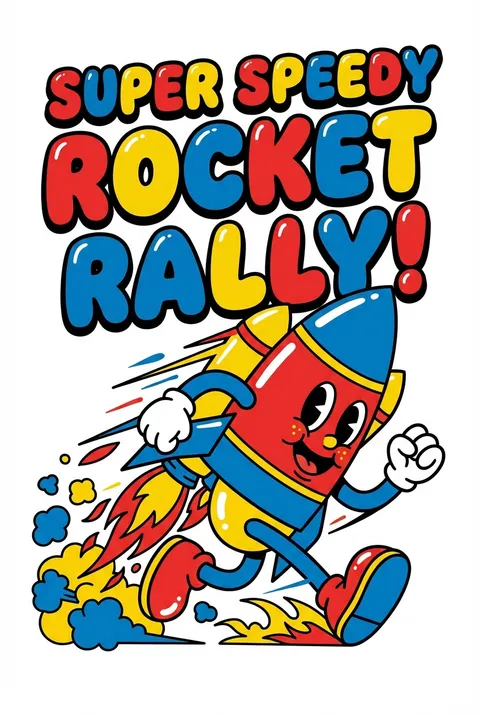
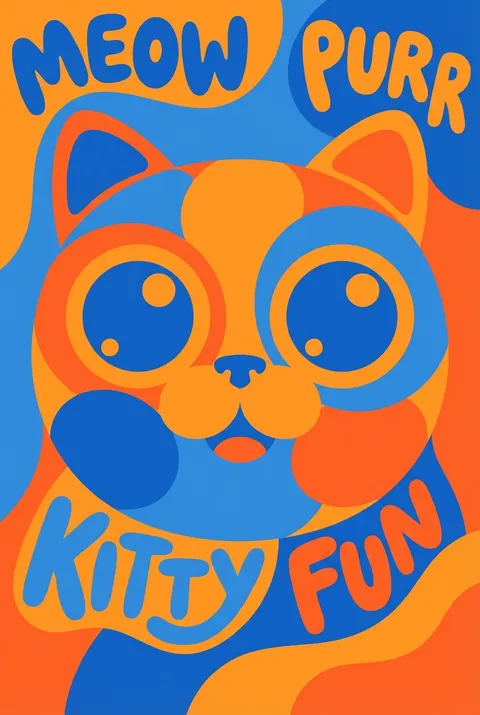
Playful design embraces spontaneity, whimsy, and visual delight through unconventional elements. Key characteristics include vibrant color palettes with bold primaries or unexpected combinations, dynamic asymmetrical layouts that break traditional grid structures, hand-drawn elements like doodles and character illustrations, and quirky typography with decorative flourishes. The style prioritizes emotional connection and joy over formal precision.
How do colors contribute to a playful design aesthetic?
Color drives energy and emotional response in playful design. Vibrant block colors immediately grab attention and elevate mood, while contrasting hues create visual excitement. Bright primary colors evoke childhood nostalgia and creative freedom. Unexpected color combinations demonstrate rule-breaking spirit. Even pastels can feel playful when paired thoughtfully. The key is selecting colors that spark positive emotional reactions rather than safe, conventional palettes.
What types of elements and graphics work well in playful design?
Effective playful elements include hand-drawn doodle illustrations, character mascots with expressive personalities, decorative stickers and badges, organic shapes and squiggly lines, whimsical icons replacing standard symbols, and typography that bounces or warps. Overlapping elements, scattered compositions, and visual surprises maintain interest. The goal is creating designs that feel crafted by human hands with personality rather than generated from sterile templates.
When is playful design appropriate for business and branding?
Playful design excels for brands targeting younger demographics, creative industries, entertainment, food and beverage, children's products, and companies wanting to differentiate through personality. It builds emotional connections and memorability but may undermine credibility for financial services, healthcare, or luxury markets expecting sophistication. The style works well for social media content, packaging, event materials, and brand touchpoints prioritizing engagement over formality.
Ready to design your next poster?
Create Playful Fun Poster