
Memphis Posters
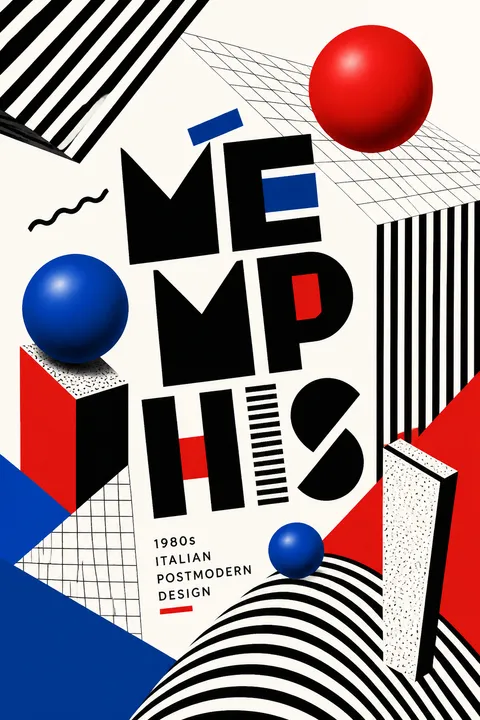
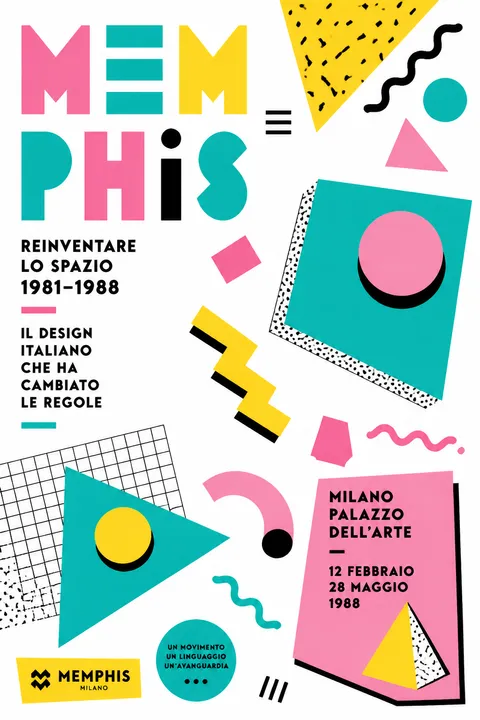
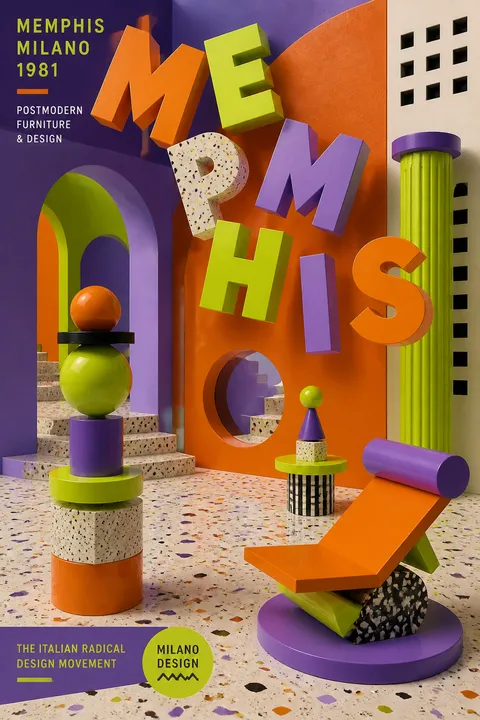
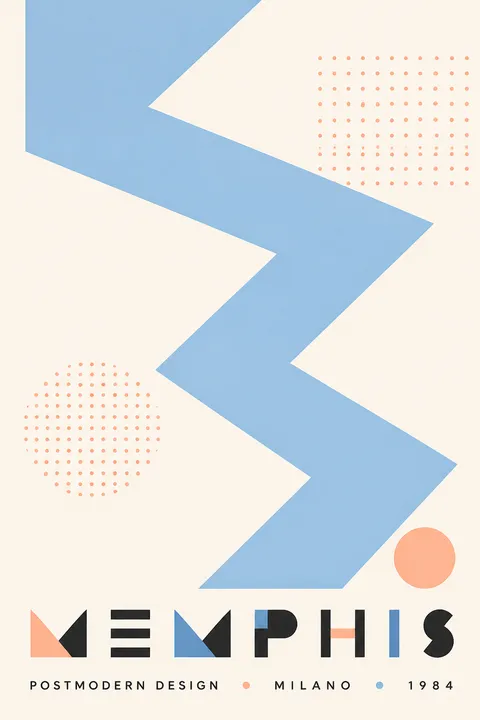
Founded in Milan in 1981 by Ettore Sottsass and a collective of designers, the Memphis Group set out to challenge modernist orthodoxy through deliberate provocation and playful irreverence. Their philosophy insists that design should embrace bold contradiction and visual pleasure, elevating clashing patterns and geometric forms as expressive tools. Decoration becomes a statement, rejecting restraint in favor of emotional immediacy and joyful excess.
5 credits for new user registration. No credit card required.
Create Your Own Memphis Poster
Use our AI generator to design Memphis posters in seconds with full commercial rights.
Create Memphis Poster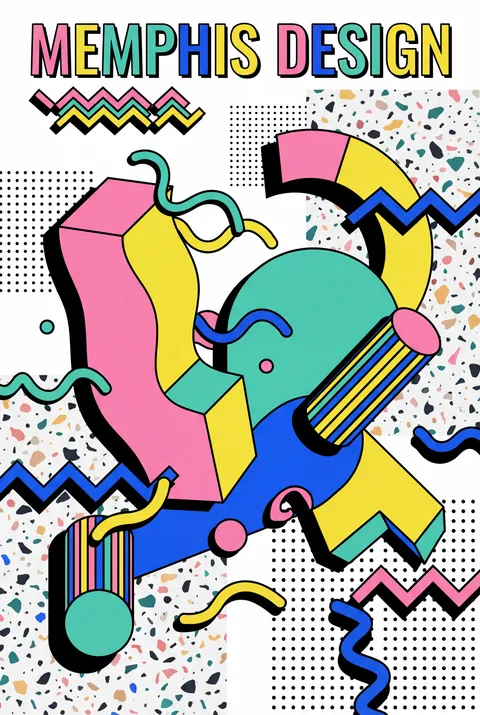

The Art of Memphis?
Turn Ideas into Art in Seconds
Describe Your Vision
Simply type your idea or concept for the poster.
Select Memphis Style
Our AI applies the specific Memphis design rules to your concept.
Customize & Download
Fine-tune colors, add text, and export in high-resolution.
Why Designers Choose Us
The professional choice for AI-generated design
Instant Speed
Results in < 30s
CC0 License
100% Commercial Use
Fully Editable
Layer-by-layer control
High Res
Print-ready quality
About Memphis Design
History of Memphis
Design Philosophy
Related Keywords
Memphis FAQ
Quick answers about designing Memphis posters.
What is Memphis design style and when did it originate?
Memphis design is a postmodern movement that emerged in Milan, Italy on December 11, 1980, when architect Ettore Sottsass gathered 22 designers to challenge the prevailing minimalist aesthetics of modernism. The group's name came from Bob Dylan's song 'Stuck Inside of Mobile with the Memphis Blues Again' that played during their first meeting. Active until 1987, Memphis deliberately rejected the Bauhaus principle of 'form follows function' in favor of bold self-expression and playful irreverence.
What are the defining visual characteristics of Memphis design?
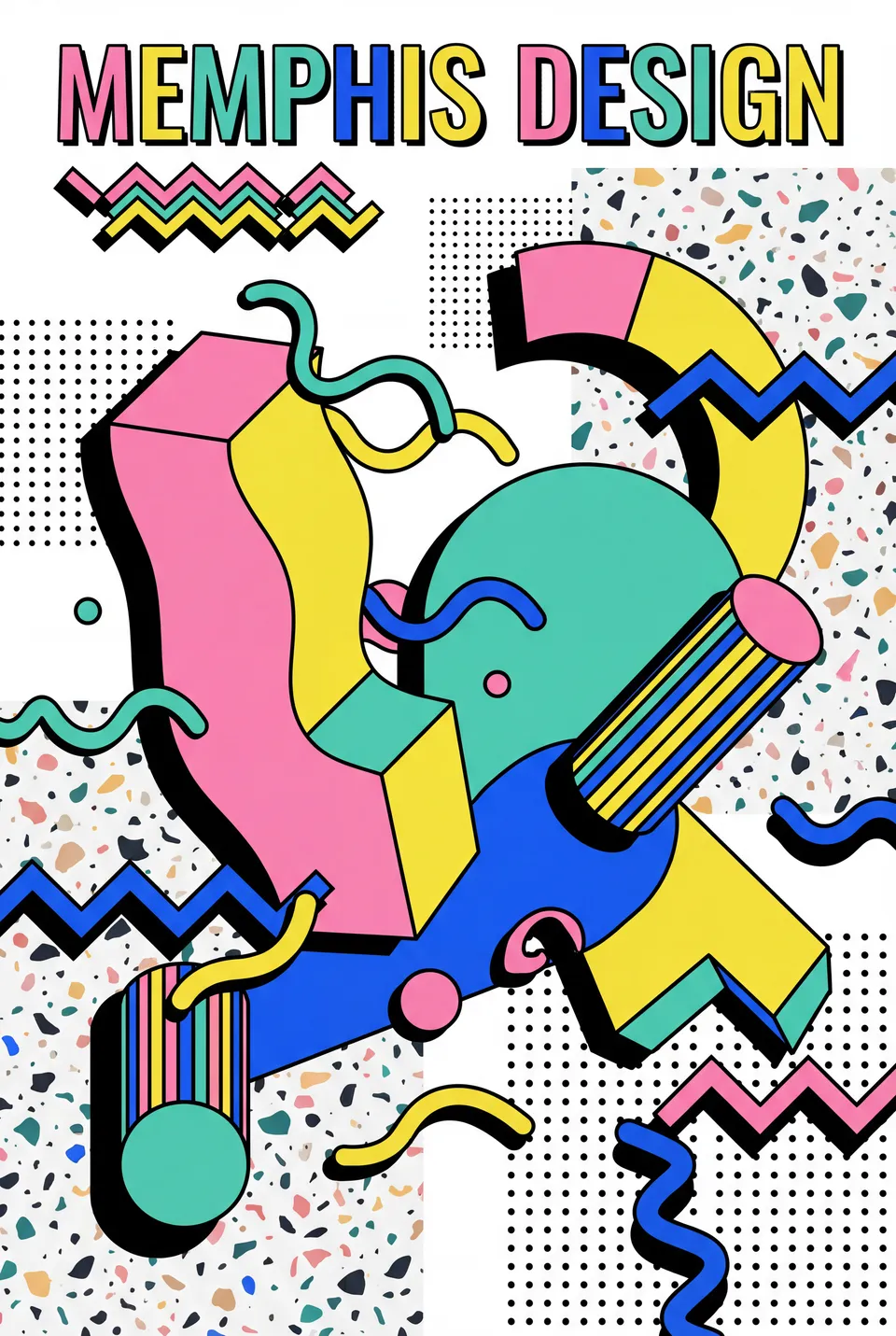
Memphis design is instantly recognizable through its bold geometric patterns featuring triangles, squiggles, and circles arranged in seemingly chaotic compositions. The style embraces deliberate color clashes, combining neon hues with pastels and flat colors. Black and white stripes are signature elements, as are asymmetrical shapes and unexpected material combinations like plastic laminate and terrazzo. The aesthetic prioritizes surface decoration over structural logic.
How did Memphis design influence popular culture?
Memphis design dominated visual culture from the mid-1980s through the mid-1990s, appearing in television shows like Miami Vice, retail architecture, and household products. MTV adopted the aesthetic for its iconic logo, making it synonymous with youth culture. The style influenced surfing, skateboarding, and BMX industries, while Nickelodeon used Memphis-inspired sets for shows like Double Dare. Notable collectors included fashion designer Karl Lagerfeld and musician David Bowie.
Why is Memphis design experiencing a revival in contemporary design?
Memphis design has resurged because its maximalist approach offers a refreshing contrast to the minimalist trends that dominated recent decades. Contemporary designers appreciate its freedom from conventional 'good taste' and its celebration of bold self-expression. The style's fusion of Art Deco, Pop Art, and kitsch resonates with today's eclectic sensibilities. Digital platforms and social media have also reignited interest in its vibrant, attention-grabbing aesthetics.
Ready to design your next poster?
Create Memphis Poster