
Expressionism Posters
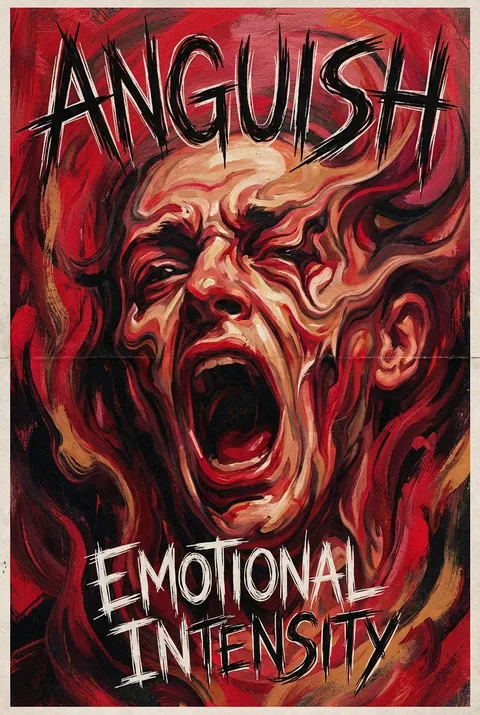
Expressionism took shape in early 20th-century Germany, beginning with Die Brücke in Dresden and later Der Blaue Reiter in Munich, as artists like Kirchner and Kandinsky rejected mere visual accuracy in favor of emotional truth. The movement’s philosophy insists that inner experience is best conveyed through distortion, exaggeration, and intense color, using design as a direct conduit for psychological and emotional states rather than objective representation.
5 credits for new user registration. No credit card required.
Create Your Own Expressionism Poster
Use our AI generator to design Expressionism posters in seconds with full commercial rights.
Create Expressionism Poster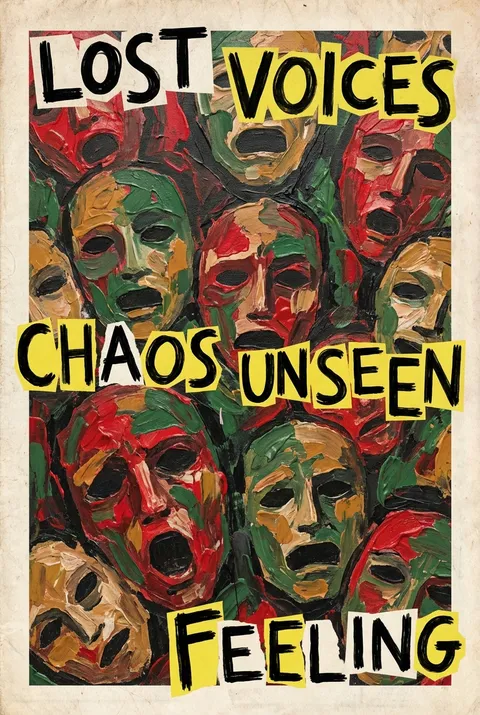
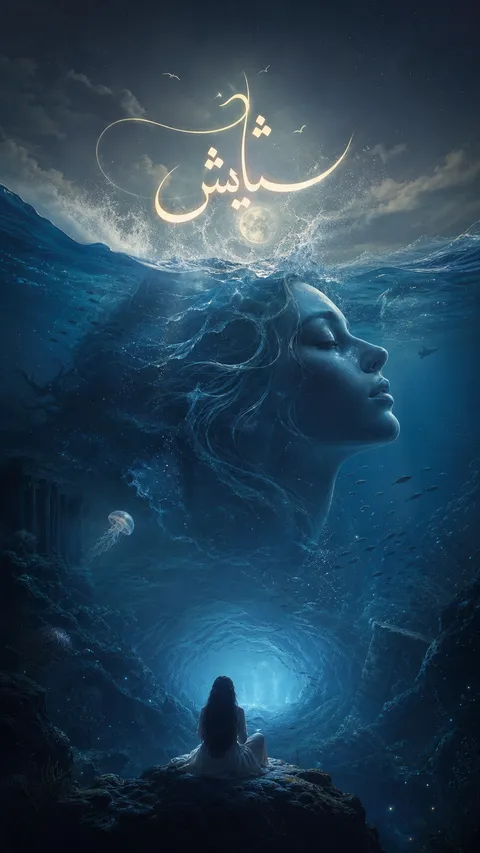
The Art of Expressionism?
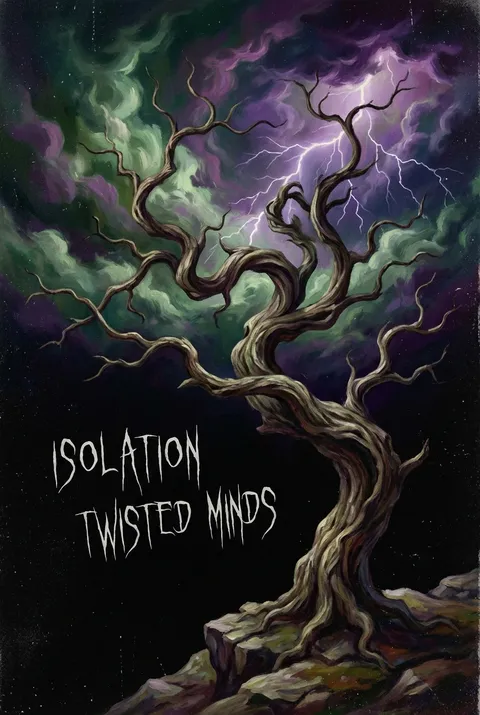
Turn Ideas into Art in Seconds
Describe Your Vision
Simply type your idea or concept for the poster.
Select Expressionism Style
Our AI applies the specific Expressionism design rules to your concept.
Customize & Download
Fine-tune colors, add text, and export in high-resolution.
Why Designers Choose Us
The professional choice for AI-generated design
Instant Speed
Results in < 30s
CC0 License
100% Commercial Use
Fully Editable
Layer-by-layer control
High Res
Print-ready quality
About Expressionism Design
History of Expressionism
Design Philosophy
Related Keywords
Expressionism FAQ
Quick answers about designing Expressionism posters.
What defines Expressionism as a design style?
Expressionism prioritizes emotional truth over realistic representation, using distorted forms, intense non-naturalistic colors, and bold, urgent mark-making to convey inner psychological states. Developed in early 20th-century Germany as a reaction against industrialization and academic art, the movement sought to externalize feelings of alienation, anxiety, and raw human experience through deliberately jarring visual elements.
What visual elements characterize Expressionist poster design?
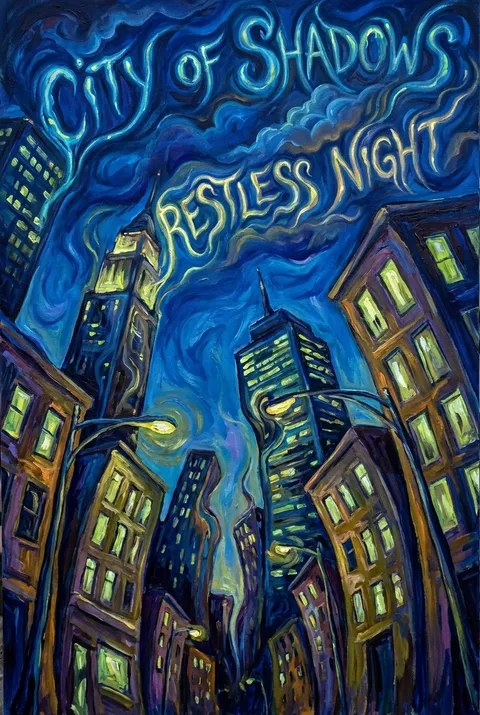
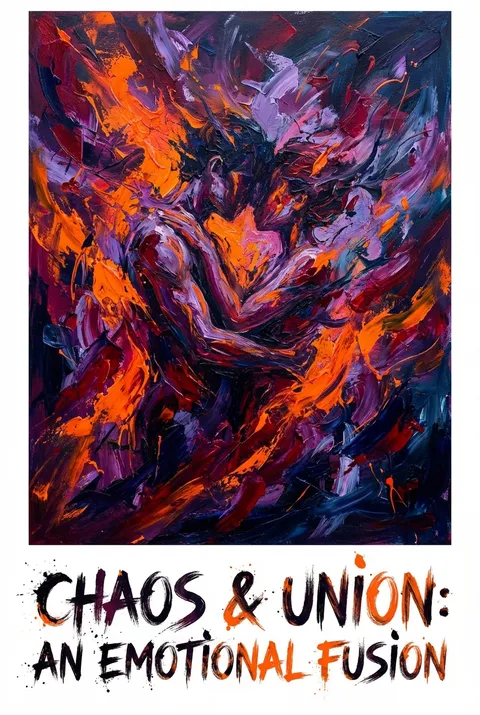
Expressionist aesthetics feature jagged, angular lines, exaggerated or distorted proportions, and agitated compositions that feel deliberately unstable. Colors appear heightened and often clash intentionally—vivid oranges against deep blues, sickly greens beside harsh yellows. Brushwork reads as rapid and textured, with generous paint application that emphasizes the artist's physical gesture and emotional state during creation.
What themes and subjects work best with Expressionist style?
Expressionism excels at conveying intense human emotions, psychological complexity, and social commentary. Themes of anxiety, alienation, passion, and the darker aspects of modern existence suit the style naturally. Urban scenes, portraits exploring inner turmoil, and subjects dealing with conflict or transformation benefit from Expressionism's capacity to externalize internal experiences through visual distortion.
How can Expressionist principles enhance contemporary poster design?
Modern designers apply Expressionist principles by embracing imperfection, using color emotionally rather than realistically, and allowing compositions to feel energetically unbalanced. Typography can adopt angular, hand-rendered qualities with intentional irregularity. The style works powerfully for music events, theatrical productions, social cause campaigns, and any communication where emotional impact matters more than polished perfection.
Ready to design your next poster?
Create Expressionism Poster