
Etching Posters
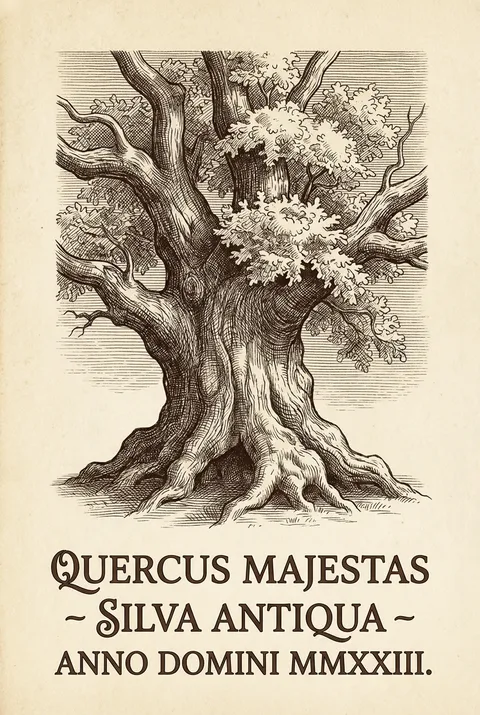
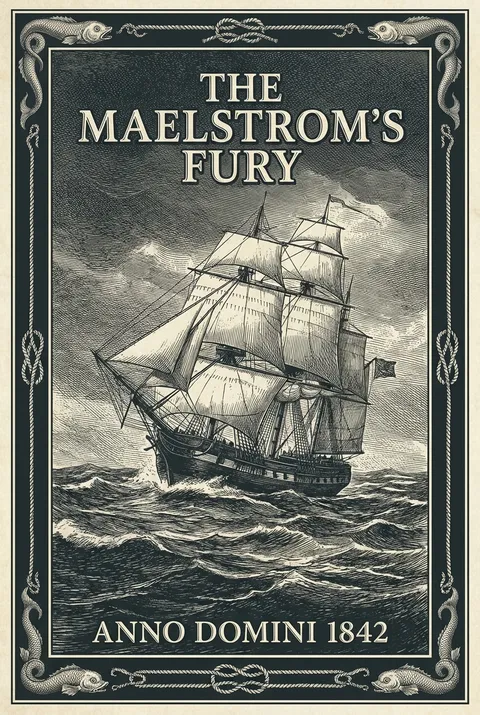
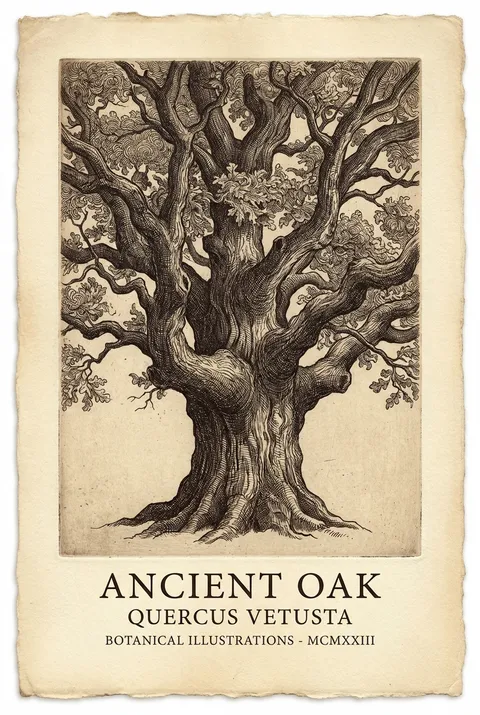
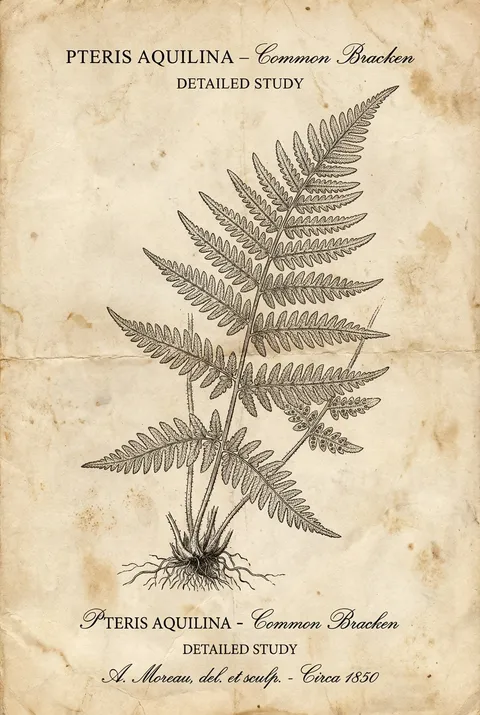
Etching emerged in the early 16th century as a more spontaneous alternative to engraving, harnessing acid to inscribe metal plates and later reaching expressive heights in Rembrandt’s hands. Its philosophy embraces the unpredictable alchemy between artist and material, favoring lively, varied lines and atmospheric depth born from chemical transformation rather than mechanical precision. This approach values the distinctive character and contemplative mood that emerge from the interplay of intention and chance.
5 credits for new user registration. No credit card required.
Create Your Own Etching Poster
Use our AI generator to design Etching posters in seconds with full commercial rights.
Create Etching Poster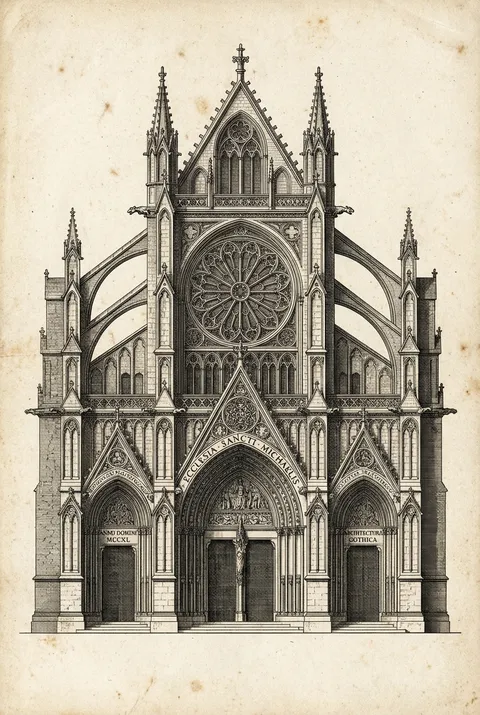
The Art of Etching?
Turn Ideas into Art in Seconds
Describe Your Vision
Simply type your idea or concept for the poster.
Select Etching Style
Our AI applies the specific Etching design rules to your concept.
Customize & Download
Fine-tune colors, add text, and export in high-resolution.
Why Designers Choose Us
The professional choice for AI-generated design
Instant Speed
Results in < 30s
CC0 License
100% Commercial Use
Fully Editable
Layer-by-layer control
High Res
Print-ready quality
About Etching Design
History of Etching
Design Philosophy
Related Keywords
Etching FAQ
Quick answers about designing Etching posters.
What is etching style and how does it differ from other printmaking aesthetics?
Etching produces a distinctive line quality where acid bites into metal plates through scratched wax coating, creating marks with organic variation and natural irregularity. Unlike engraving's precise cuts, etching lines can taper, thicken, and flow more freely like pen drawings. The technique allows artists to work with the spontaneity of sketching while achieving the reproducibility of prints, resulting in artwork that feels both refined and expressive.
What makes Rembrandt's etching style so influential for modern design?
Rembrandt revolutionized etching by exploiting its full tonal range, using varied line density and plate tone to capture light, atmosphere, and emotional depth. His 300+ etchings demonstrated how the medium could achieve subtlety impossible in other printmaking techniques. Modern designs inspired by his approach feature rich chiaroscuro effects, atmospheric backgrounds, and expressive line work that suggests rather than precisely defines forms.
What visual characteristics identify etching-style poster designs?
Etching-inspired designs feature lines with natural variation in width and darkness, creating a hand-crafted feeling. Shading builds gradually through accumulated marks rather than mechanical cross-hatching. Tonal areas range from delicate, barely-there lines to dense, dark passages where repeated acid exposure created deeper grooves. The overall effect combines precision with warmth, feeling both skilled and spontaneously artistic.
What subjects and moods suit etching aesthetic?
Etching style works beautifully for atmospheric scenes, intimate portraits, and subjects benefiting from tonal subtlety. The technique suits melancholic or contemplative themes, landscape studies, and literary illustration. Compared to bold engraving, etching conveys sensitivity and nuance, making it ideal for fine art reproductions, poetry collections, artisanal product branding, and any design where hand-crafted authenticity matters.
Ready to design your next poster?
Create Etching Poster