
Engraving Posters
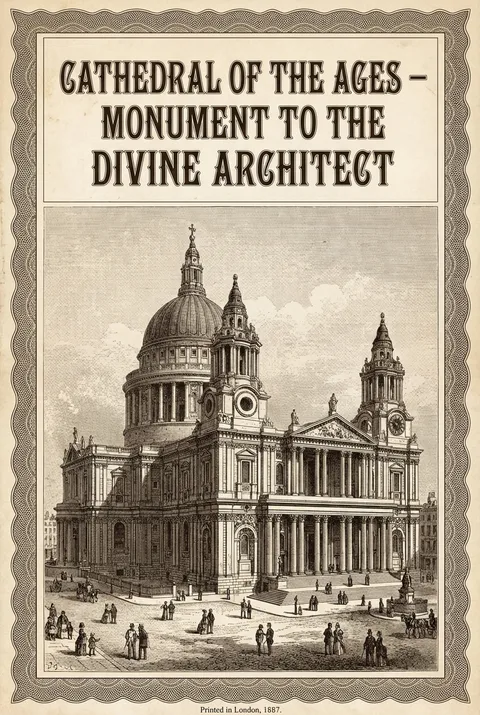
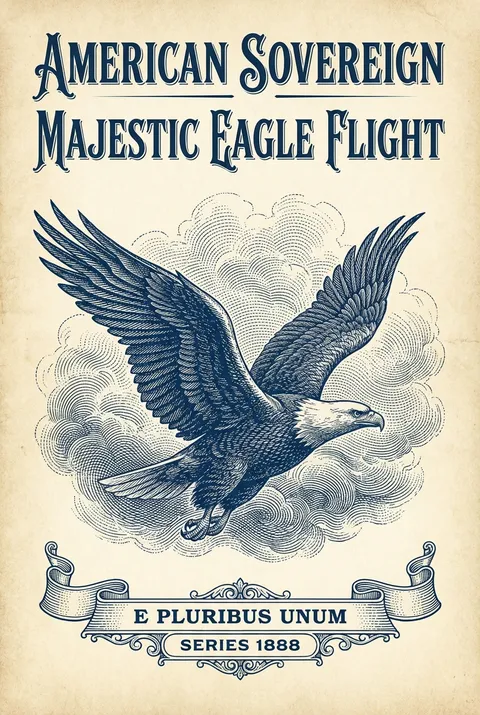
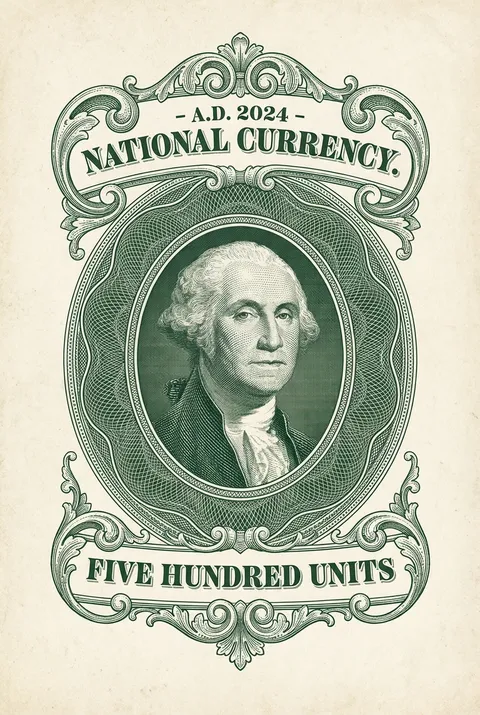
Engraving developed in 15th-century Europe as a printmaking technique, with artists like Albrecht Dürer advancing its capacity for intricate line work and tonal subtlety. The design philosophy centers on visual codes of authority—fine lines, cross-hatching, and formal motifs communicate institutional legitimacy and trust. This approach emphasizes heritage and reliability, drawing on centuries of association with official documents and secure currency.
5 credits for new user registration. No credit card required.
Create Your Own Engraving Poster
Use our AI generator to design Engraving posters in seconds with full commercial rights.
Create Engraving Poster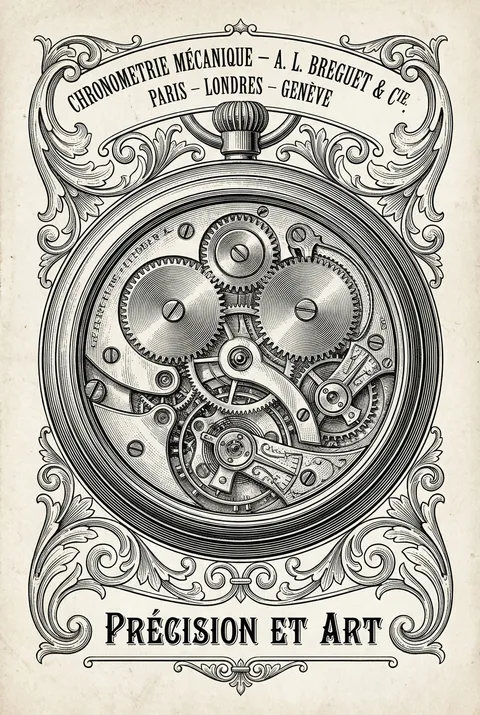
Turn Ideas into Art in Seconds
Describe Your Vision
Simply type your idea or concept for the poster.
Select Engraving Style
Our AI applies the specific Engraving design rules to your concept.
Customize & Download
Fine-tune colors, add text, and export in high-resolution.
Why Designers Choose Us
The professional choice for AI-generated design
Instant Speed
Results in < 30s
CC0 License
100% Commercial Use
Fully Editable
Layer-by-layer control
High Res
Print-ready quality
About Engraving Design
History of Engraving
Design Philosophy
Related Keywords
Engraving FAQ
Quick answers about designing Engraving posters.
What is engraving style in design and what are its origins?
Engraving style references the traditional printmaking technique where designs are carved into wood or metal surfaces, leaving raised areas that hold ink for printing. The resulting aesthetic features bold black-and-white contrast, fine parallel lines for shading called hatching, and distinctive texture from the carving medium. Masters like Albrecht Dürer elevated engraving to high art in the 15th-16th centuries with intricate detail work.
What visual characteristics define engraving-style posters?
Engraving aesthetics feature dense line work where shading is created through parallel lines (hatching) or crossed lines (cross-hatching) rather than solid fills. The style emphasizes strong contrast between black ink and white paper, with visible texture suggesting the carving process. Details tend toward the intricate, with fine lines building up areas of darkness while white spaces remain stark and clean.
How is engraving different from etching in visual style?
While both create linear artwork, engraving involves physically cutting into the surface with sharp tools, producing cleaner, more controlled lines with consistent width. Etching uses acid to bite into metal through a scratched wax coating, allowing for more fluid, sketch-like lines with natural variation. Engravings typically appear more precise and formal, while etchings have an organic, hand-drawn quality.
What subjects and themes work best with engraving-style design?
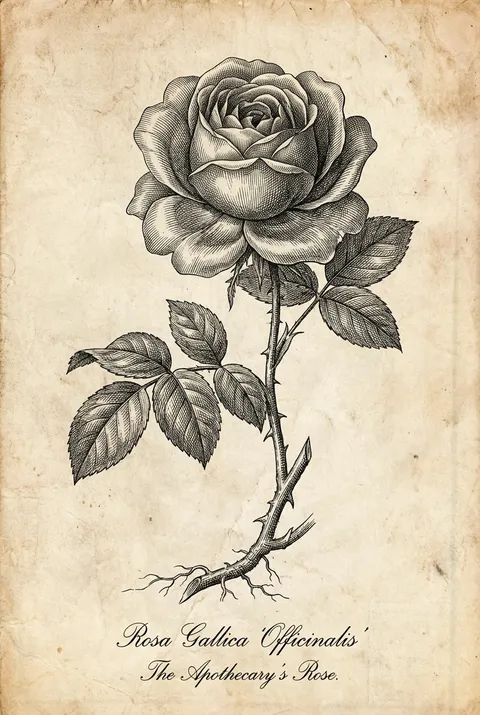
Engraving style excels at depicting classical subjects, botanical illustrations, portraits, heraldic imagery, and vintage-inspired content. The technique suits designs requiring a sense of heritage, craftsmanship, or historical authority. Currency, certificates, wine labels, and luxury packaging frequently employ engraving aesthetics to convey authenticity and tradition. The detailed line work also renders architectural subjects and natural forms beautifully.
Ready to design your next poster?
Create Engraving Poster