
Double Exposure Posters
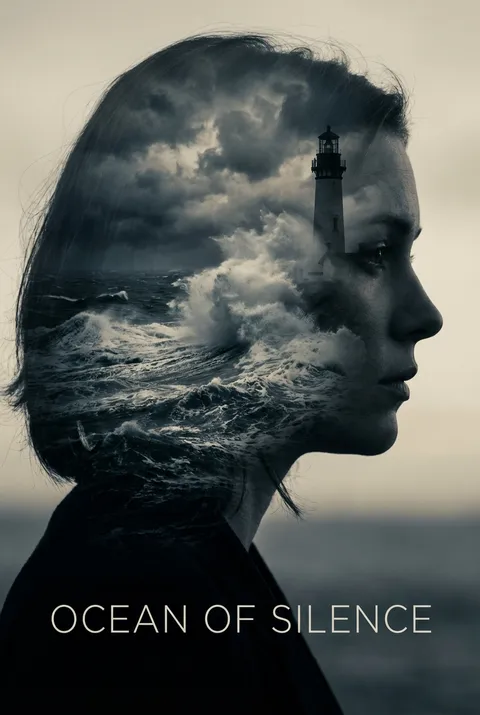
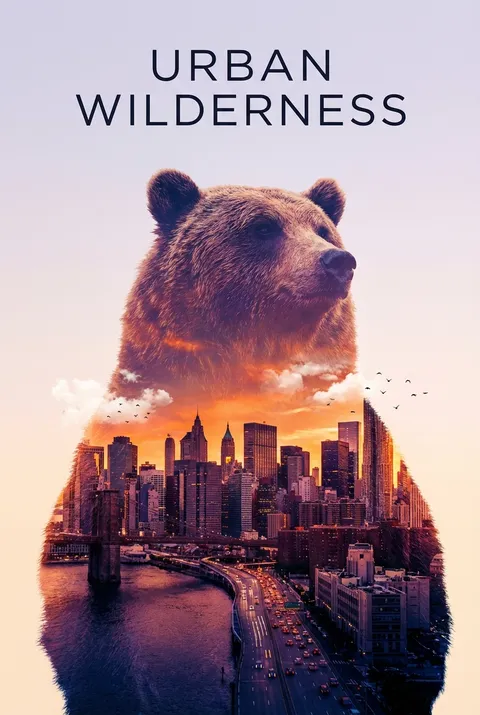
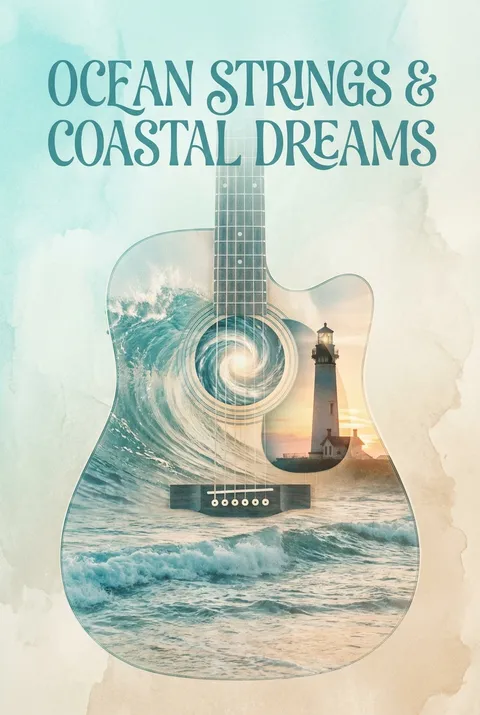
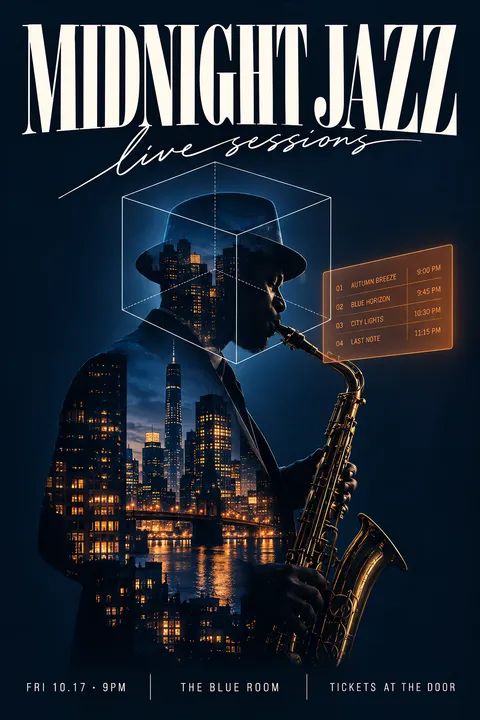
Double exposure arose in the late nineteenth century as an accidental byproduct of analog photography, soon embraced by both Victorian spirit photographers and avant-garde artists like Man Ray for its capacity to layer imagery and meaning. The approach contends that identity is fundamentally composite—visualizing memory, experience, and psychological depth through the literal merging of forms, where the silhouette becomes a vessel for hidden landscapes and layered realities.
5 credits for new user registration. No credit card required.
Create Your Own Double Exposure Poster
Use our AI generator to design Double Exposure posters in seconds with full commercial rights.
Create Double Exposure Poster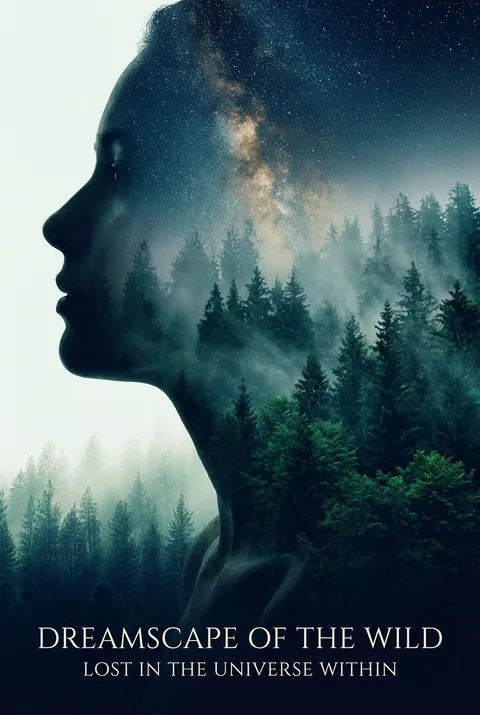
Turn Ideas into Art in Seconds
Describe Your Vision
Simply type your idea or concept for the poster.
Select Double Exposure Style
Our AI applies the specific Double Exposure design rules to your concept.
Customize & Download
Fine-tune colors, add text, and export in high-resolution.
Why Designers Choose Us
The professional choice for AI-generated design
Instant Speed
Results in < 30s
CC0 License
100% Commercial Use
Fully Editable
Layer-by-layer control
High Res
Print-ready quality
About Double Exposure Design
History of Double Exposure
Design Philosophy
Related Keywords
Double Exposure FAQ
Quick answers about designing Double Exposure posters.
What is double exposure and how does it create unique visuals?
Double exposure is a technique that layers two different images on top of each other, with the overlaid image set to partial transparency so both remain visible. This creates ethereal, ghost-like composites where subjects blend and merge in unexpected ways. Originally developed in 19th-century film photography, the technique became famous through surrealist artists who used it to create dreamlike, conceptual imagery.
What subject combinations work best for double exposure posters?
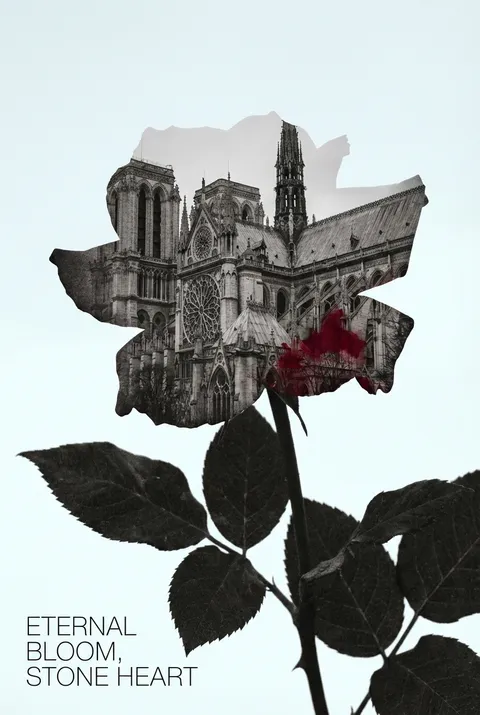
The most striking double exposures combine contrasting elements that create visual tension or metaphorical meaning. Popular combinations include portraits merged with natural landscapes like forests or cityscapes, smooth textures paired with rough ones, or organic forms blended with geometric architecture. The key is selecting images with complementary tonal ranges where one has light areas that can reveal the darker details of the other.
How do I achieve good contrast in double exposure designs?
Successful double exposure relies on balancing the tonal values between your two source images. Choose one image with strong silhouettes or defined shapes, and another with interesting textures or patterns. The darker areas of one image will reveal the lighter areas of the other, so planning where these intersections occur helps create depth. Adjusting the opacity and blend modes of each layer allows fine control over which elements dominate.
What creative effects can double exposure convey in poster design?
Double exposure excels at communicating abstract concepts like memory, identity, duality, or the connection between humans and nature. The merging of images suggests multiple dimensions of meaning existing simultaneously. This makes it particularly effective for movie posters, music album artwork, and conceptual branding where emotional storytelling takes precedence over literal representation.
Ready to design your next poster?
Create Double Exposure Poster