
Documentary Posters
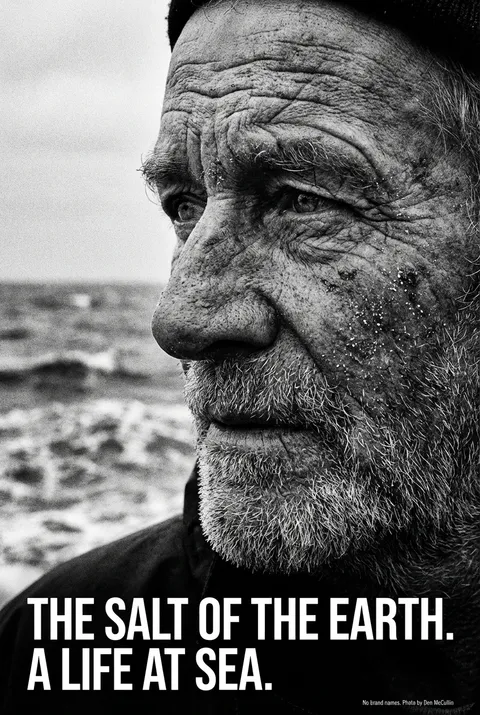
Documentary style developed in the 1930s alongside photojournalism and film, shaped by figures like Walker Evans, Dorothea Lange, and Robert Flaherty, who championed candid, unmanipulated imagery to convey social truths. Its philosophy insists that credibility depends on apparent artlessness—design choices are hidden behind spontaneous-looking photography, understated typography, and minimal intervention, inviting viewers to trust what appears to be an unfiltered record of reality.
5 credits for new user registration. No credit card required.
Create Your Own Documentary Poster
Use our AI generator to design Documentary posters in seconds with full commercial rights.
Create Documentary Poster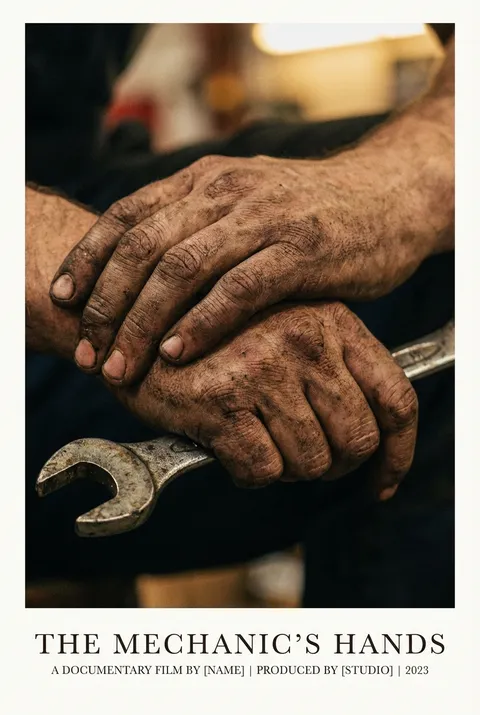


The Art of Documentary?
Turn Ideas into Art in Seconds
Describe Your Vision
Simply type your idea or concept for the poster.
Select Documentary Style
Our AI applies the specific Documentary design rules to your concept.
Customize & Download
Fine-tune colors, add text, and export in high-resolution.
Why Designers Choose Us
The professional choice for AI-generated design
Instant Speed
Results in < 30s
CC0 License
100% Commercial Use
Fully Editable
Layer-by-layer control
High Res
Print-ready quality
About Documentary Design
History of Documentary
Design Philosophy
Related Keywords
Documentary FAQ
Quick answers about designing Documentary posters.
What are the core principles of documentary style?
Documentary style prioritizes authenticity and truthful representation of real-life subjects, events, and environments. The approach emphasizes capturing spontaneous moments without manipulation or staging, presenting subjects in their natural state. The goal is creating an honest visual record that documents reality as it unfolds rather than constructing artificial scenes.
What techniques define documentary photography?
Documentary photographers typically adopt an unobtrusive, 'fly-on-the-wall' approach, blending into their environment to capture candid moments. Key techniques include working with available natural lighting, avoiding posed compositions, and building genuine rapport with subjects. This creates images that reveal authentic human experiences and social conditions.
How does documentary realism work in film?
Documentary realism in film uses handheld cameras, natural lighting, and often non-professional actors to enhance authenticity. Scenes are shot on location rather than constructed sets, with editing focused on continuity rather than artistic effects. Sound and music typically come from within the scene's world, avoiding dramatic scores that might manipulate audience emotions.
What visual characteristics suggest documentary authenticity?
Visual markers of documentary authenticity include grainy image quality, imperfect framing, and natural lighting variations. Static camera work at eye level, without elaborate movements or compositions, reinforces the sense of objective observation. These 'imperfections' signal truthfulness and create intimate connection with subjects, distinguishing documentary work from polished commercial productions.
Ready to design your next poster?
Create Documentary Poster