/
50,000 Posters Generated Today

De Stijl Posters

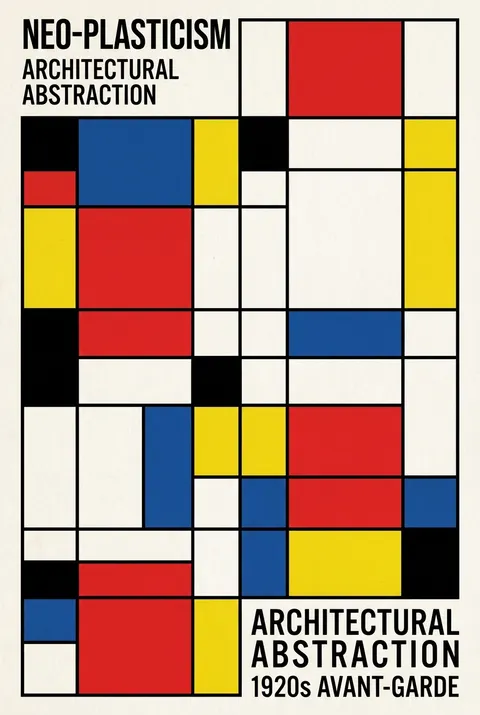
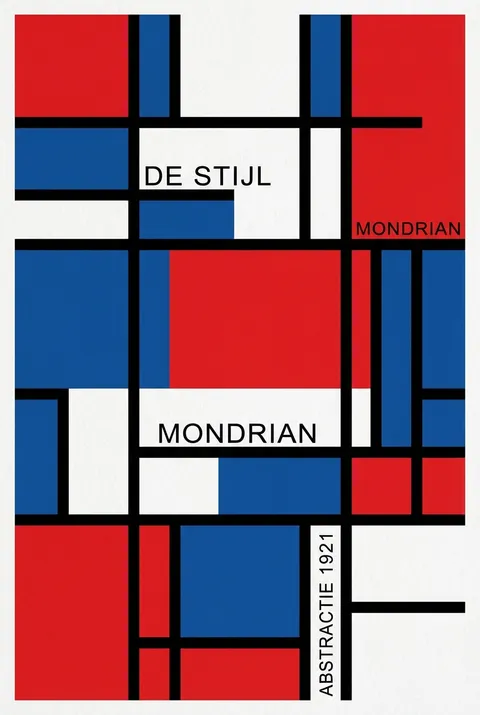
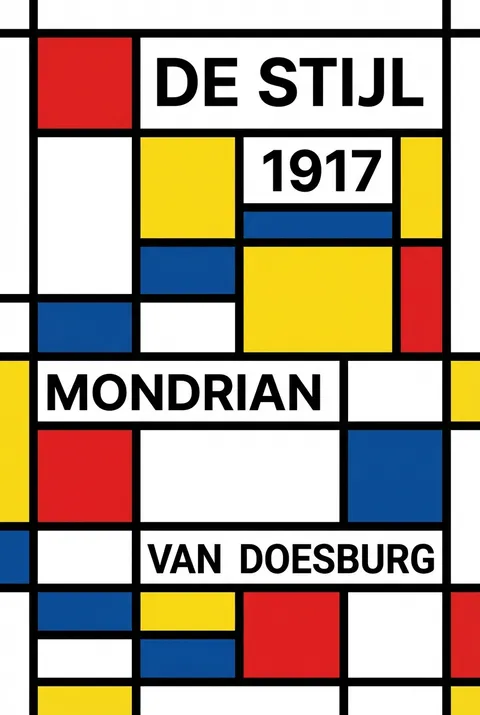
Founded in the Netherlands in 1917 by Piet Mondrian, Theo van Doesburg, Gerrit Rietveld, and others, De Stijl arose from a desire to express universal harmony through essential visual elements. The movement’s philosophy insists that pure abstraction—achieved by reducing compositions to vertical and horizontal lines, rectangular forms, and primary colors—reveals a deeper spiritual order underlying everyday appearance. Individual expression yields to impersonal, universal principles, seeking balance through clarity and reduction.

5 credits for new user registration. No credit card required.

High ResolutionCommercial License

Create Your Own De Stijl Poster

Use our AI generator to design De Stijl posters in seconds with full commercial rights.

Create De Stijl Poster
Featured De Stijl Posters

Style Guide

The Art of De Stijl?

Founded in the Netherlands in 1917 by Piet Mondrian, Theo van Doesburg, Gerrit Rietveld, and others, De Stijl arose from a desire to express universal harmony through essential visual elements. The movement’s philosophy insists that pure abstraction—achieved by reducing compositions to vertical and horizontal lines, rectangular forms, and primary colors—reveals a deeper spiritual order underlying everyday appearance. Individual expression yields to impersonal, universal principles, seeking balance through clarity and reduction.
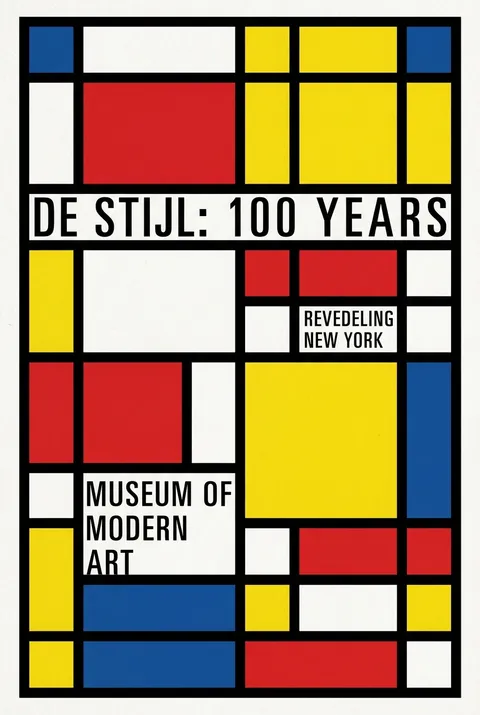
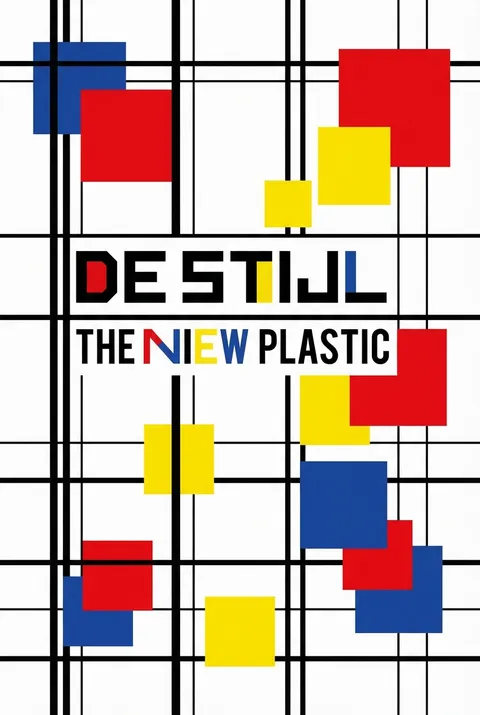
De Stijl representative poster

Watch: Creating a Poster in 30s

Turn Ideas into Art in Seconds

1

Describe Your Vision

Simply type your idea or concept for the poster.

2

Select De Stijl Style

Our AI applies the specific De Stijl design rules to your concept.

3

Customize & Download

Fine-tune colors, add text, and export in high-resolution.

Why Designers Choose Us

The professional choice for AI-generated design

Instant Speed

Results in < 30s

CC0 License

100% Commercial Use

Fully Editable

Layer-by-layer control

High Res

Print-ready quality

De Stijl Design Guide

About De Stijl Design

Founded in the Netherlands in 1917 by Piet Mondrian, Theo van Doesburg, Gerrit Rietveld, and others, De Stijl arose from a desire to express universal harmony through essential visual elements. The movement’s philosophy insists that pure abstraction—achieved by reducing compositions to vertical and horizontal lines, rectangular forms, and primary colors—reveals a deeper spiritual order underlying everyday appearance. Individual expression yields to impersonal, universal principles, seeking balance through clarity and reduction.

History of De Stijl

De Stijl ("The Style") was founded in the Netherlands in 1917 by painters Piet Mondrian and Theo van Doesburg, architect Gerrit Rietveld, and others. The movement sought to express universal harmony through reduction to essential visual elements: horizontal and vertical lines, rectangular planes, and primary colors (red, yellow, blue) plus black and white. Mondrian's mature paintings—black grids containing blocks of primary color against white—became the movement's iconic visual statement. The philosophical foundations drew from Theosophy and Neo-Platonic idealism, believing that abstract form could reveal spiritual truth obscured by natural appearance. Van Doesburg proclaimed that the new art would transcend individual expression, creating universal visual language. The movement's journal "De Stijl" (1917-1931) disseminated these ideas internationally. Rietveld's Rood-Blauwe Stoel (Red Blue Chair, 1917) and Schröder House (1924) demonstrated De Stijl principles in three dimensions. Though the movement dissolved after van Doesburg's death in 1931, its influence proved enduring—particularly through Mondrian's subsequent prominence and De Stijl's impact on Bauhaus teaching. Contemporary design regularly invokes De Stijl's visual vocabulary to communicate modernist sophistication and geometric purity.

Design Philosophy

De Stijl poster design seeks universal harmony through radical reduction. The philosophy holds that pure relationships—vertical against horizontal, primary color against primary color—express spiritual truth that naturalistic representation obscures. Individual artistic expression should yield to impersonal, universal principles. Core visual elements include strict orthogonal composition (no diagonals in orthodox De Stijl), primary colors plus black and white only, asymmetrical balance, and the treatment of the entire composition as dynamic equilibrium of opposing forces. The emotional register is contemplative, rational, and aspirational—De Stijl design proposes that visual harmony is possible, that the chaos of appearance can be resolved into fundamental order.

De Stijl FAQ

Quick answers about designing De Stijl posters.

What is De Stijl and what does neoplasticism mean?

De Stijl (Dutch for 'The Style') was an avant-garde art movement founded in the Netherlands in 1917 by Theo van Doesburg and Piet Mondrian. Neoplasticism, the movement's artistic theory, sought to reduce visual expression to its purest elements: straight lines, rectangular shapes, and primary colors combined with black, white, and gray.

What are the visual characteristics of De Stijl design?

De Stijl is defined by strict geometric abstraction using only horizontal and vertical lines to create rectangular compositions. The color palette is limited to the three primary colors—red, yellow, and blue—plus the neutrals black, white, and gray. This radical reduction eliminated all representational elements in pursuit of universal harmony and order.

What philosophy guided De Stijl artists?

De Stijl artists believed that pure abstraction could express universal beauty and spiritual truth. Mondrian viewed reality as originating from within the artist rather than from external observation. The movement rejected individualism and subjectivity, seeking instead to create art that transcended personal expression to achieve harmonious, balanced compositions.

How did De Stijl influence modern design?

De Stijl had a profound impact on modern architecture, graphic design, and interior design. The movement directly influenced the Bauhaus school and the International Style of architecture. Its principles of geometric simplicity, primary color usage, and grid-based layouts continue to inform contemporary minimalist design, typography, and visual communication.

Ready to design your next poster?

Create De Stijl Poster