/
50,000 Posters Generated Today

Cyanotype Posters

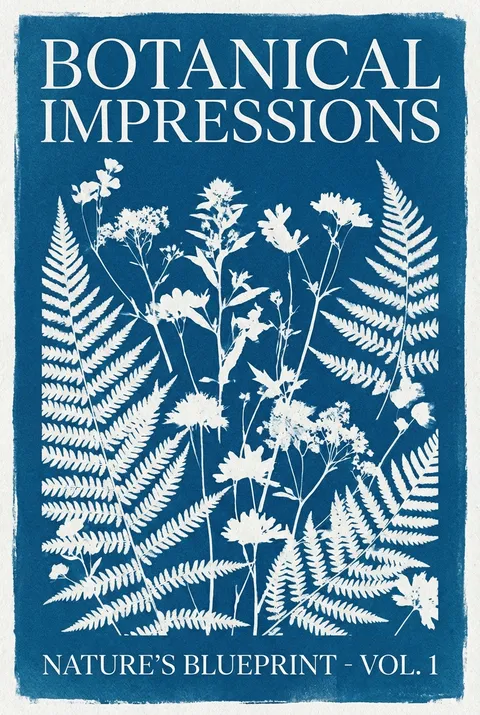
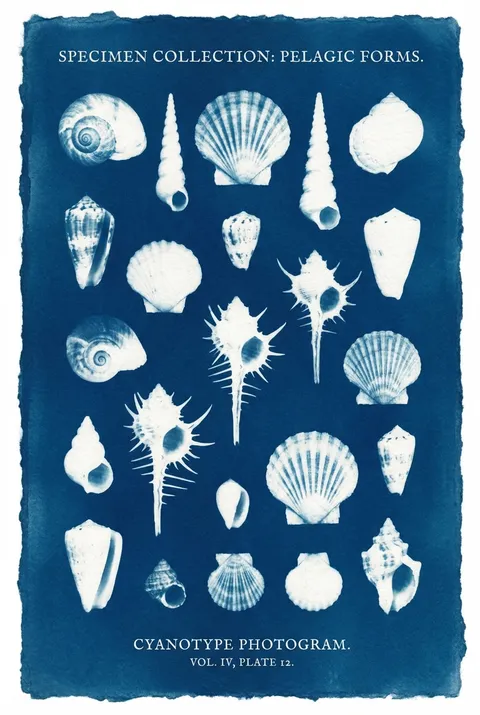
Developed in 1842 by Sir John Herschel, cyanotype emerged as an early photographic process using iron salts and sunlight to create vivid blue images, later immortalized by botanist Anna Atkins’ pioneering photographic books. Cyanotype’s philosophy centers on the authenticity of process—embracing visible chemical reactions, unique imperfections, and tactile traces—favoring contemplative compositions that evoke the passage of time through their handmade, melancholic blue hues.

5 credits for new user registration. No credit card required.

High ResolutionCommercial License

Create Your Own Cyanotype Poster

Use our AI generator to design Cyanotype posters in seconds with full commercial rights.

Create Cyanotype Poster
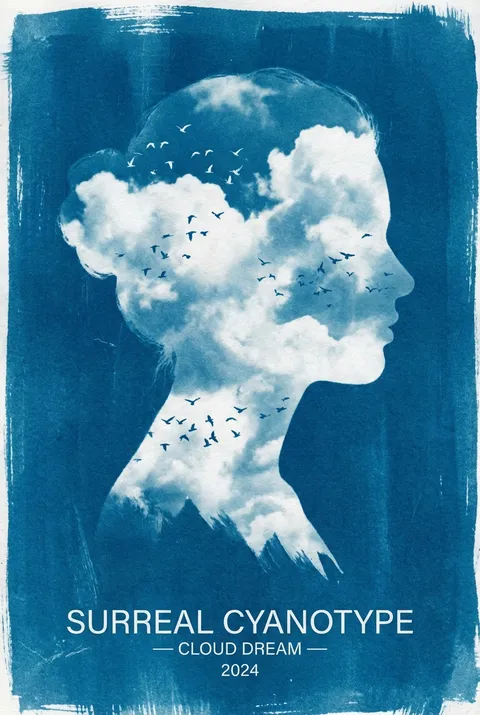
Featured Cyanotype Posters

Style Guide

The Art of Cyanotype?

Developed in 1842 by Sir John Herschel, cyanotype emerged as an early photographic process using iron salts and sunlight to create vivid blue images, later immortalized by botanist Anna Atkins’ pioneering photographic books. Cyanotype’s philosophy centers on the authenticity of process—embracing visible chemical reactions, unique imperfections, and tactile traces—favoring contemplative compositions that evoke the passage of time through their handmade, melancholic blue hues.
Cyanotype representative poster

Watch: Creating a Poster in 30s

Turn Ideas into Art in Seconds

1

Describe Your Vision

Simply type your idea or concept for the poster.

2

Select Cyanotype Style

Our AI applies the specific Cyanotype design rules to your concept.

3

Customize & Download

Fine-tune colors, add text, and export in high-resolution.

Why Designers Choose Us

The professional choice for AI-generated design

Instant Speed

Results in < 30s

CC0 License

100% Commercial Use

Fully Editable

Layer-by-layer control

High Res

Print-ready quality

Cyanotype Design Guide

About Cyanotype Design

Developed in 1842 by Sir John Herschel, cyanotype emerged as an early photographic process using iron salts and sunlight to create vivid blue images, later immortalized by botanist Anna Atkins’ pioneering photographic books. Cyanotype’s philosophy centers on the authenticity of process—embracing visible chemical reactions, unique imperfections, and tactile traces—favoring contemplative compositions that evoke the passage of time through their handmade, melancholic blue hues.

History of Cyanotype

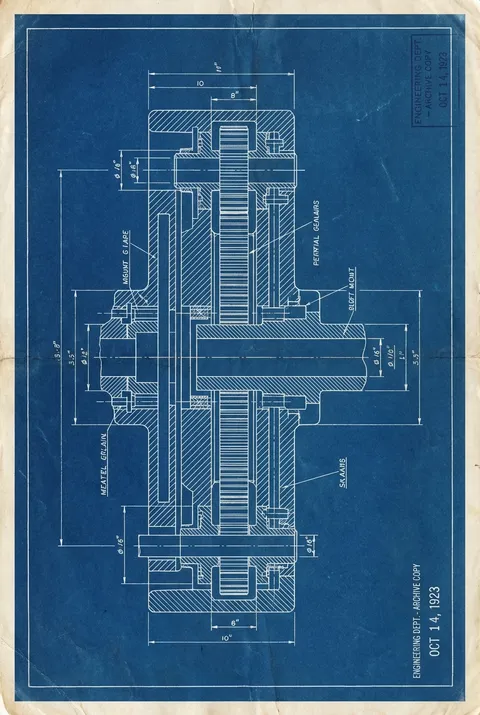
The cyanotype process was invented by Sir John Herschel in 1842, just three years after the announcement of photography itself. Herschel, a renowned astronomer and chemist, discovered that iron salts reduced under ultraviolet light could produce stable Prussian blue images. The process required no camera—objects placed directly on treated paper created white silhouettes against deep blue backgrounds. Anna Atkins, a British botanist and Herschel's friend, became the first person to publish a book illustrated with photographs: "Photographs of British Algae: Cyanotype Impressions" (1843). Her meticulous botanical cyanotypes—recording seaweed specimens with scientific precision and unexpected beauty—established the medium's capacity for both documentation and art. The process was later adopted for copying architectural and engineering drawings (hence "blueprints"). Contemporary artists have revived cyanotype as alternative photographic process, attracted by its handmade quality, distinctive color, and connection to photography's origins. In graphic design, cyanotype aesthetics appear in botanical branding, artisanal product packaging, and designs seeking to evoke Victorian scientific inquiry, analog processes, or the particular melancholy beauty of the medium's blue-and-white palette.

Design Philosophy

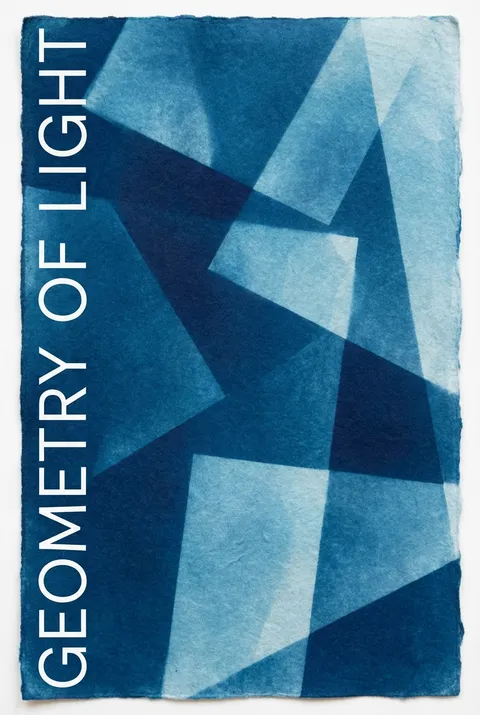
Cyanotype poster design celebrates process as much as product—the visible chemistry, sun exposure, and physical contact between object and surface. The philosophy values what digital reproduction cannot replicate: unique chemical reactions, unpredictable variations, and the evidence of physical making. Core visual elements include the characteristic Prussian blue palette, photogram silhouettes of botanical or everyday objects, visible process artifacts (brush marks, chemical variations, exposure inconsistencies), and compositions that reference Victorian scientific illustration. The emotional register is contemplative, nostalgic, and subtly melancholic—cyanotype's blue simultaneously suggests sky, sea, and the poignant passage of time recorded in photographic chemistry.

Cyanotype FAQ

Quick answers about designing Cyanotype posters.

What is cyanotype and how does it create images?

Cyanotype is a photographic printing process that produces distinctive blue-toned images through exposure to ultraviolet light. The process uses iron-based compounds that react when exposed to sunlight, creating the characteristic Prussian blue color. Unlike silver-based photography, it only requires water for development, making it one of the simplest photographic techniques.

Who invented the cyanotype process?

Sir John Herschel discovered and named the cyanotype process in 1842 during his investigation of light's effects on iron compounds. He created the first cyanotype by coating paper with an iron salt solution, exposing it to sunlight, and washing it with water. Notably, he never patented the invention, allowing it to spread freely.

Why is cyanotype connected to the term 'blueprint'?

The term 'blueprint' originates directly from the cyanotype process because of its characteristic blue color. For decades, engineers and architects used cyanotype printing as an affordable and practical method for reproducing technical drawings and architectural plans, a practice that continued until the advent of modern photocopying technology.

What makes cyanotype appealing for artistic work today?

Cyanotype remains popular among contemporary artists and educators because of its accessibility and simplicity. The process requires no darkroom, uses readily available chemicals, and works with natural sunlight. Its distinctive blue aesthetic, combined with the ability to print on various materials including fabric and paper, makes it ideal for both fine art photography and botanical impressions.

Ready to design your next poster?

Create Cyanotype Poster