
Constructivism Posters
Create constructivism posters with bold Soviet geometry, red-black layouts, propaganda-style typography, and editable AI templates you can customize online.
5 credits for new user registration. No credit card required.
Create Your Own Constructivism Poster
Use our AI generator to design Constructivism posters in seconds with full commercial rights.
Create Constructivism Poster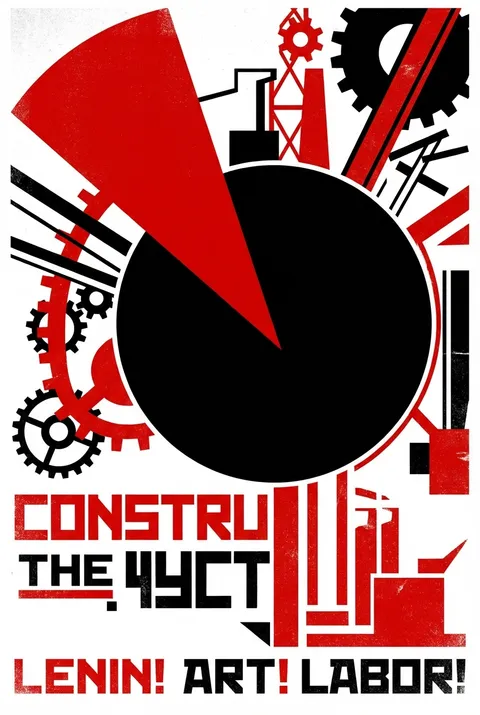

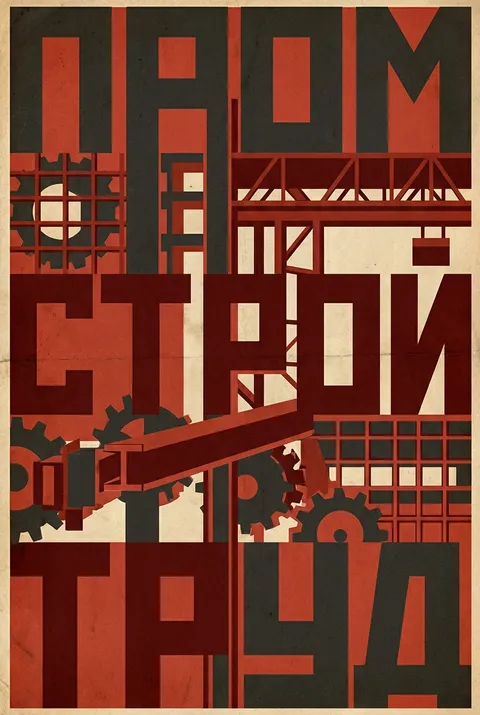
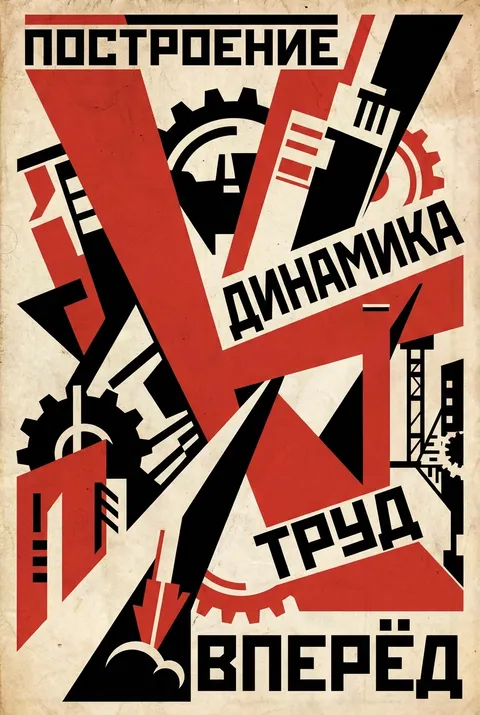
The Art of Constructivism?
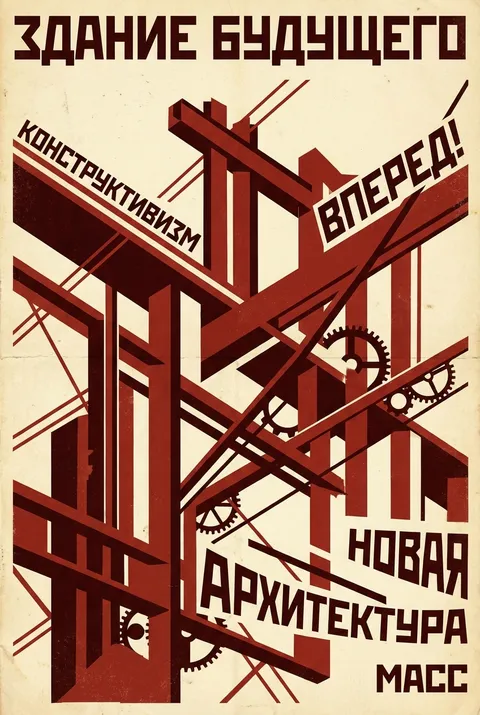
Turn Ideas into Art in Seconds
Describe Your Vision
Simply type your idea or concept for the poster.
Select Constructivism Style
Our AI applies the specific Constructivism design rules to your concept.
Customize & Download
Fine-tune colors, add text, and export in high-resolution.
Why Designers Choose Us
The professional choice for AI-generated design
Instant Speed
Results in < 30s
CC0 License
100% Commercial Use
Fully Editable
Layer-by-layer control
High Res
Print-ready quality
About Constructivism Design
History of Constructivism
Design Philosophy
Related Keywords
Constructivism FAQ
Quick answers about designing Constructivism posters.
What is Constructivism as an art movement?
Constructivism was a post-World War I development of Russian Futurism, particularly of the 'counter reliefs' of Vladimir Tatlin exhibited in 1915. The movement emphasized building and science, rather than artistic expression, and its goals went far beyond the realm of art. The Constructivists sought to influence architecture, design, fashion, and all mass-produced objects.
What are the visual characteristics of Constructivist design?
Russian Constructivism characteristically used minimal color palettes, often just red, black and sometimes yellow. These works frequently had diagonal elements with circular and angled type and images. Constructivists used sparse, geometric forms and modest materials, creating a visual language out of forms that can be drawn with utilitarian instruments like compasses and rulers.
How did Constructivism influence poster design?
Many Constructivists worked on the design of posters for everything from cinema to political propaganda. The inventive results included a distortion of perspective, elements from Dada photomontage, creative cropping, an exaggerated scale, a sense of movement, and a dynamic use of color and typography. Alexander Rodchenko's bold designs used stark geometric forms and striking diagonal lines.
Who were the key Constructivist poster artists?
El Lissitzky's 'Beat the Whites with the Red Wedge' is a Russian Civil War propaganda poster now considered one of the most iconic of all early Constructivist artworks. The Stenberg Brothers were Soviet artists who designed over 300 movie posters. Alexander Rodchenko created iconic designs like his famous 'Books (Please)! In All Branches of Knowledge' poster in 1924.
What was Constructivism's lasting influence?
Constructivist architecture and art had a great effect on modern art movements of the 20th century, influencing major trends such as the Bauhaus and De Stijl movements. Its influence was widespread, with major effects upon architecture, sculpture, graphic design, industrial design, theatre, film, dance, fashion and, to some extent, music.
Ready to design your next poster?
Create Constructivism Poster