
Comic Book Posters
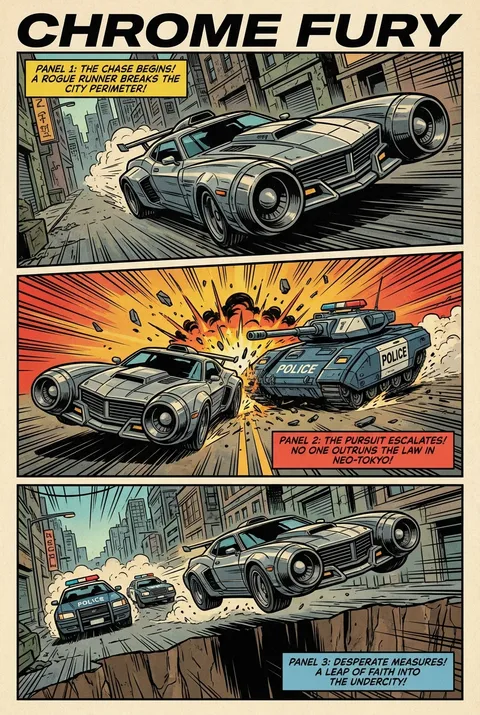
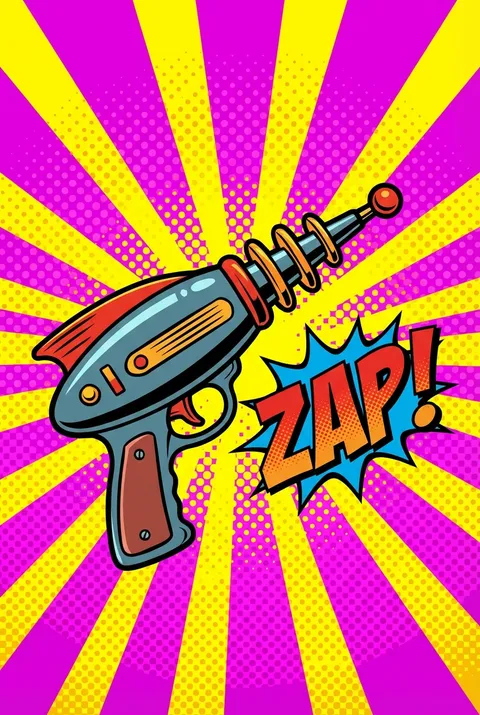
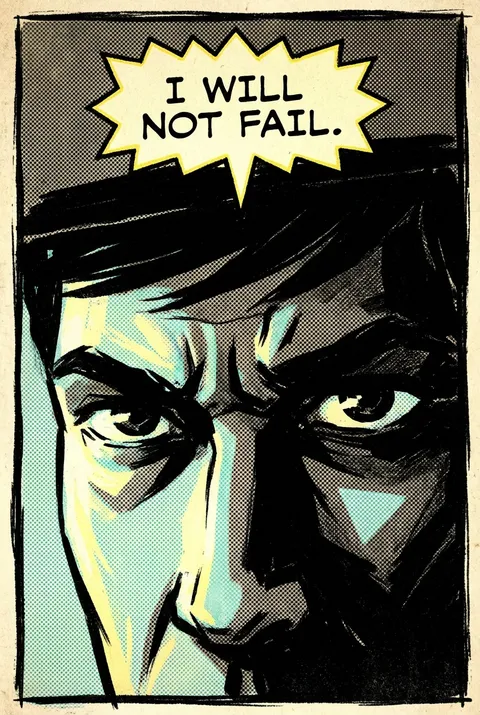
Crystallizing in late-1930s America with the rise of superhero comics, the comic book style emerged through the bold innovations of artists like Jack Kirby, Steve Ditko, and Jim Steranko, whose dynamic compositions and energetic linework transformed printing limitations into iconic visual signatures. Comic book design asserts that exaggeration unveils emotional truth—amplifying form, color, and motion to achieve maximum clarity and heroic immediacy in every element.
5 credits for new user registration. No credit card required.
Create Your Own Comic Book Poster
Use our AI generator to design Comic Book posters in seconds with full commercial rights.
Create Comic Book Poster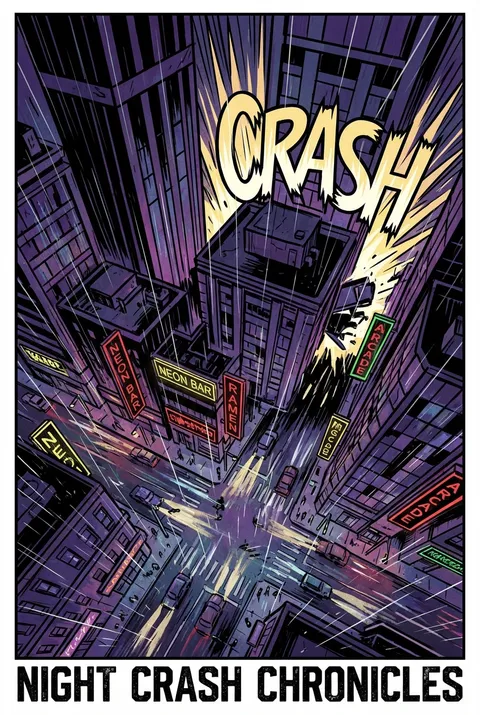
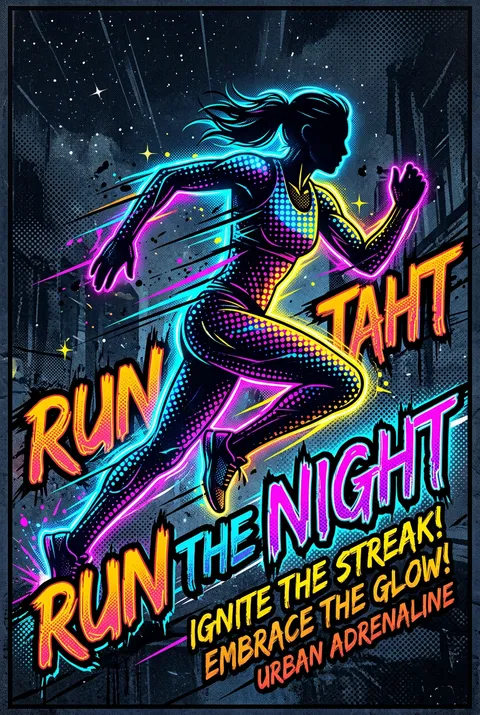
The Art of Comic Book?
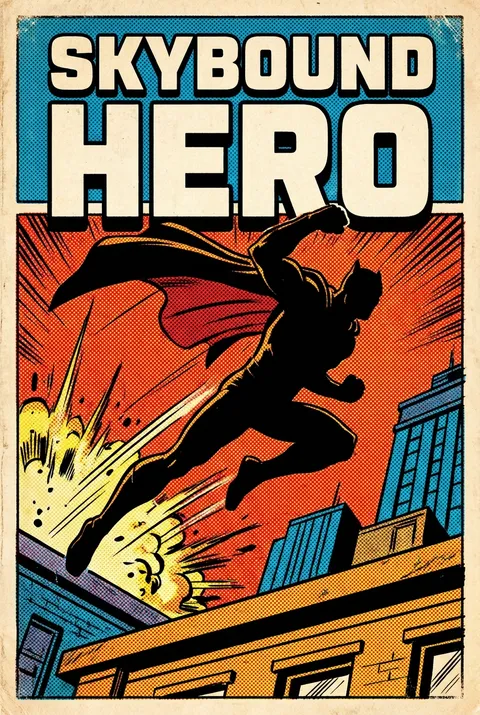
Turn Ideas into Art in Seconds
Describe Your Vision
Simply type your idea or concept for the poster.
Select Comic Book Style
Our AI applies the specific Comic Book design rules to your concept.
Customize & Download
Fine-tune colors, add text, and export in high-resolution.
Why Designers Choose Us
The professional choice for AI-generated design
Instant Speed
Results in < 30s
CC0 License
100% Commercial Use
Fully Editable
Layer-by-layer control
High Res
Print-ready quality
About Comic Book Design
History of Comic Book
Design Philosophy
Related Keywords
Comic Book FAQ
Quick answers about designing Comic Book posters.
What defines the comic book art style?
Comic book style uses sequential art to convey stories, characterized by bold outlines, vivid colors, and dynamic compositions. The visual language encompasses linework, color palettes, character design, panel layouts, and distinctive typography. Fine hatching and toning techniques create shading with pure black ink, while key contours are carefully weighted to draw attention to focal points within illustrations. The style is instantly recognizable and deeply influential in popular culture.
How has comic book art evolved through different eras?
The Golden Age (1930s-1950s) featured bold, clean lines with simplistic forms. The Silver Age brought dynamic expressiveness through artists like Jack Kirby, with more defined anatomy and exaggerated poses. The Bronze Age introduced realism—intricate backgrounds and emotional complexity. The Dark Age (1980s-1990s) emphasized darker shading, night settings, and mature themes. Today's digital era enables sleek lines, vibrant colors, and detailed effects difficult to achieve traditionally.
What are the main variations within comic book art styles?
Superhero style features bold linework, muscular figures, dramatic poses, and vivid colors emphasizing power and action—exemplified by Marvel and DC comics. Manga, originating from Japan, uses black-and-white visuals with exaggerated features, abstract emotional expressions, and emphasis on panel flow over realism. Noir style draws from film noir aesthetics, using high contrast between light and shadow, silhouettes, negative space, and often muted or limited color palettes.
What techniques create authentic comic book visuals?
Authentic comic aesthetics rely on compositions emphasizing dynamic poses against contrasting backgrounds. Ink outlines define forms while color gradients and careful shading create depth and texture. Bold contour lines vary in weight to direct viewer attention. Sequential storytelling requires thoughtful panel layouts that guide the eye through narrative progression. Typography integration for dialogue and sound effects completes the distinctive visual language that makes comics immediately identifiable.
Ready to design your next poster?
Create Comic Book Poster