
Chromolithograph Posters
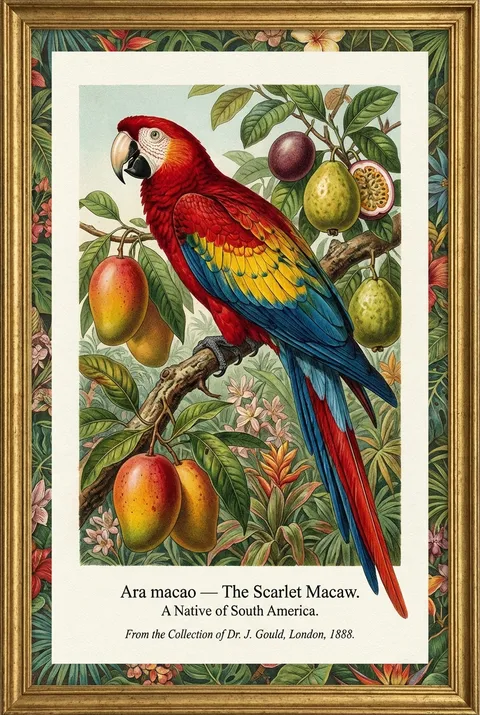
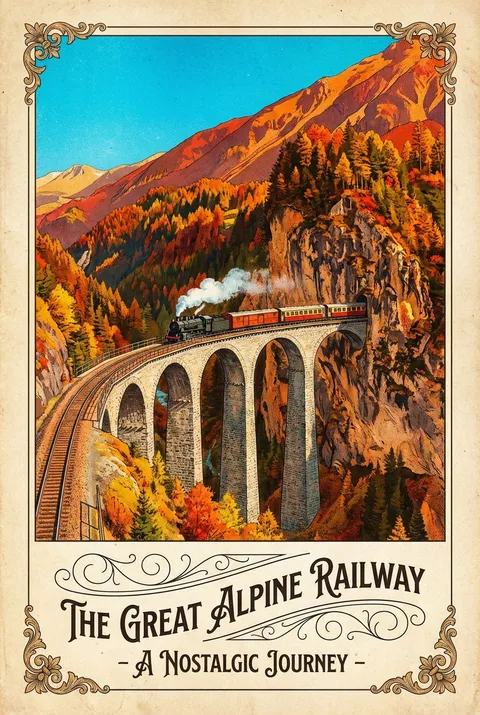
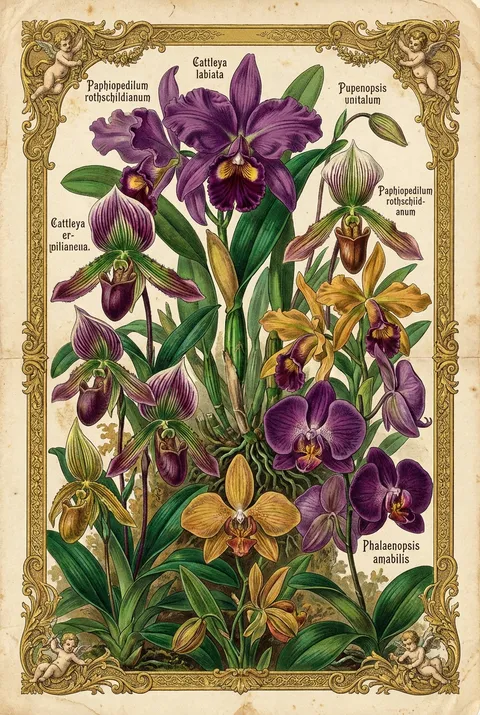
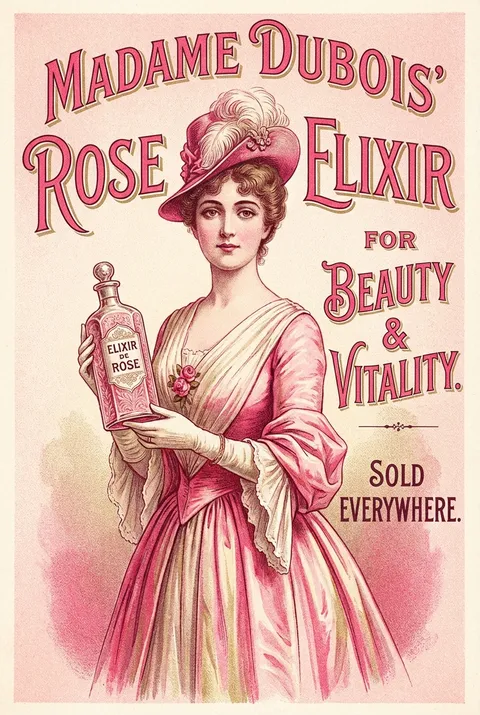
Chromolithography transformed visual culture after its 1837 invention by Godefroy Engelmann, enabling affordable mass production of full-color prints and inspiring a vibrant poster tradition through artists like Jules Chéret in France and innovators in American commercial art. The style’s philosophy revels in the exuberance of the printing process itself, celebrating layered color, ornate embellishment, and compositions that overflow with theatrical abundance and visual delight.
5 credits for new user registration. No credit card required.
Create Your Own Chromolithograph Poster
Use our AI generator to design Chromolithograph posters in seconds with full commercial rights.
Create Chromolithograph Poster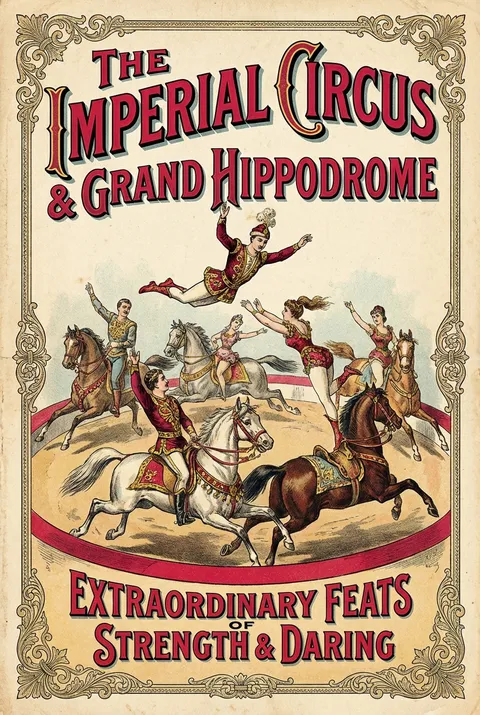
The Art of Chromolithograph?
Turn Ideas into Art in Seconds
Describe Your Vision
Simply type your idea or concept for the poster.
Select Chromolithograph Style
Our AI applies the specific Chromolithograph design rules to your concept.
Customize & Download
Fine-tune colors, add text, and export in high-resolution.
Why Designers Choose Us
The professional choice for AI-generated design
Instant Speed
Results in < 30s
CC0 License
100% Commercial Use
Fully Editable
Layer-by-layer control
High Res
Print-ready quality
About Chromolithograph Design
History of Chromolithograph
Design Philosophy
Related Keywords
Chromolithograph FAQ
Quick answers about designing Chromolithograph posters.
What is chromolithography and who invented it?
Chromolithography is a method for making multi-colour prints in lithography. Alois Senefelder, the inventor of lithography, introduced the subject of coloured lithography in his 1818 work. Godefroy Engelmann of Mulhouse in France was awarded a patent on chromolithography in July 1837.
How was a chromolithograph created?
A chromolithograph was made using anywhere from eight to 25 stones or more, one for each color and separately drawn. These stones were then applied to the paper one color at a time; a painstaking process that required skill and accuracy, with each stone being precisely registered.
How long did it take to produce chromolithographs?
Although chromos could be mass-produced, it took about three months to draw colours onto the stones and another five months to print a thousand copies. This labor-intensive process made chromolithographs both time-consuming and skillfully crafted works of art.
Why was the Victorian era called 'chromo civilization'?
Chromolithographs became so popular in American culture that the era has been labeled as 'chromo civilization.' The 50 years following the Civil War saw millions of chromolithographs made, and they became the customary decoration in most homes throughout the country. During the Victorian era, chromolithographs populated children's and fine arts publications, as well as advertising art.
What happened to chromolithography and what is its value today?
Offset printing replaced chromolithography in the late 1930s. Chromolithographs are mainly used today as fine art instead of advertisements, and they are hard to find because of poor preservation and the cheaper forms of printing that replaced them. Prices can range from hundreds to thousands of dollars.
Ready to design your next poster?
Create Chromolithograph Poster