/
50,000 Posters Generated Today

Chalkboard Posters

Rooted in 19th-century classrooms and centuries-old commercial signage, chalkboard design draws on traditions of hand-lettered instruction and ephemeral announcements. Its philosophy values the visible marks of human touch—imperfect lines, dusty textures, and intuitive layouts—embracing impermanence and warmth as evidence of genuine craft. Rather than polished uniformity, the style celebrates the authenticity and personal care inherent in handmade work.

5 credits for new user registration. No credit card required.

High ResolutionCommercial License

Create Your Own Chalkboard Poster

Use our AI generator to design Chalkboard posters in seconds with full commercial rights.

Create Chalkboard Poster
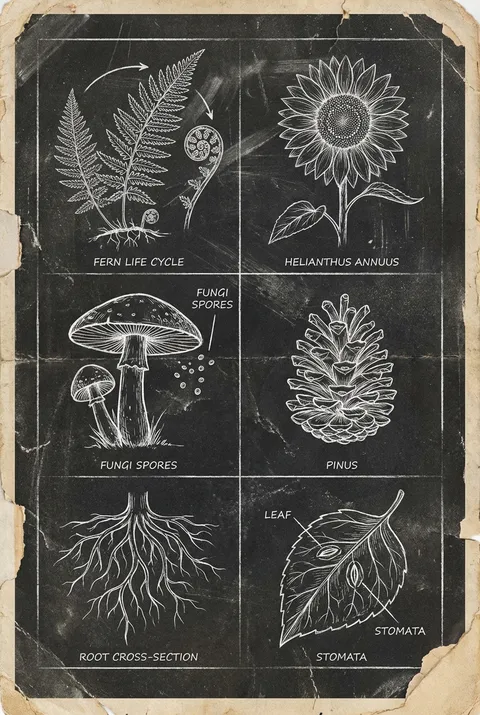
Featured Chalkboard Posters

Style Guide

The Art of Chalkboard?

Rooted in 19th-century classrooms and centuries-old commercial signage, chalkboard design draws on traditions of hand-lettered instruction and ephemeral announcements. Its philosophy values the visible marks of human touch—imperfect lines, dusty textures, and intuitive layouts—embracing impermanence and warmth as evidence of genuine craft. Rather than polished uniformity, the style celebrates the authenticity and personal care inherent in handmade work.
Chalkboard representative poster

Watch: Creating a Poster in 30s

Turn Ideas into Art in Seconds

1

Describe Your Vision

Simply type your idea or concept for the poster.

2

Select Chalkboard Style

Our AI applies the specific Chalkboard design rules to your concept.

3

Customize & Download

Fine-tune colors, add text, and export in high-resolution.

Why Designers Choose Us

The professional choice for AI-generated design

Instant Speed

Results in < 30s

CC0 License

100% Commercial Use

Fully Editable

Layer-by-layer control

High Res

Print-ready quality

Chalkboard Design Guide

About Chalkboard Design

Rooted in 19th-century classrooms and centuries-old commercial signage, chalkboard design draws on traditions of hand-lettered instruction and ephemeral announcements. Its philosophy values the visible marks of human touch—imperfect lines, dusty textures, and intuitive layouts—embracing impermanence and warmth as evidence of genuine craft. Rather than polished uniformity, the style celebrates the authenticity and personal care inherent in handmade work.

History of Chalkboard

Chalkboard aesthetics in design draw from two parallel traditions: educational spaces and commercial signage. The blackboard became standard classroom equipment in early 19th-century America and Europe, with chalk lettering developing as a pedagogical skill. Meanwhile, sign painters created elaborate chalk menus and announcements for restaurants, pubs, and markets—a tradition stretching back centuries. The contemporary chalkboard design trend emerged in the early 2010s, coinciding with the artisan food movement and craft revival. Restaurants like San Francisco's Blue Bottle Coffee and Brooklyn's farm-to-table establishments embraced hand-lettered chalkboard menus as signals of authenticity against corporate food culture. The aesthetic spread through Pinterest and design blogs, becoming associated with rustic weddings, coffee shops, and small-batch products. Graphic designers formalized the style, creating digital typefaces and illustration elements that mimicked chalk characteristics: dusty textures, imperfect edges, white or colored lines on dark backgrounds. While the trend has passed its peak cultural moment, chalkboard aesthetics remain powerful for communicating handmade authenticity, nostalgic warmth, and artisanal values. The style persists in café branding, wedding invitations, and any context seeking to evoke personal craft against industrial production.

Design Philosophy

Chalkboard poster design celebrates the impermanent and handmade against the permanent and machine-produced. The philosophy values visible evidence of human creation—uneven spacing, inconsistent letter weights, dusty edges—as markers of authentic craft. Perfect execution would defeat the style's purpose. Core visual elements include dark backgrounds (typically dark green or black), white or limited color palettes, decorative hand-lettering styles, banner and frame elements, and compositions that feel organized by intuition rather than grid. The emotional register is warm, inviting, and nostalgic—suggesting care, personal attention, and the kind of small-batch authenticity that mass production cannot replicate.

Chalkboard FAQ

Quick answers about designing Chalkboard posters.

What is the easiest way to create chalkboard lettering?

You can create beautiful chalkboard art even if you're not artistic. Using white transfer paper is key—place the transfer paper underneath your printed design and trace over the letters with a regular #2 pencil. Once done tracing, use a chalk marker to go over the letters and then fill them in.

How do I prepare a chalkboard surface for lettering?

If you have a brand new chalkboard, season it first. Grab chalk horizontally and paint roughly the whole surface. Then grab a wet rag and clean the chalkboard at least once. This will make it easier to draw on the surface and cover mistakes later.

What tools work best for chalkboard design?

Chisel tip chalk markers work magic—if you're using a script font, you'll want that natural calligraphy curvature you can only get with the chisel tip. Microfiber cloths are perfect to clean chalkboards because of their lint-free nature. Keep a glass of water nearby for corrections.

How do I plan a chalkboard design layout?

Divide the draft into halves at least once so you know where your center is. Then draw containers in various shapes and fill these containers with your letters. This helps you have a better idea of placement. Design your art in actual size using software before transferring to the board.

What techniques create authentic chalk texture?

Depending on how thick or fine your fonts are, you will need to use several pieces of chalk. Whenever you need to make fine lines, you can sharpen your chalk to make a sharp and thin end, just like a pencil. Vary pressure to create shading and texture for more realistic effects.

Ready to design your next poster?

Create Chalkboard Poster